THE ADVENTURE COLLECTIVE® · Independent discovery and booking for outdoor travel

Two days of highland trekking from Hanoi into Sapa’s Muong Hoa Valley, visiting Cat Cat, Lao Chai and Ta Van villages, with optional Fansipan access. Expect misty terraces, ethnic-culture exchanges, and stone stair climbs.
Two days of highland trekking from Hanoi into Sapa’s Muong Hoa Valley, visiting Cat Cat, Lao Chai and Ta Van villages, with optional Fansipan access. Expect misty terraces, ethnic-culture exchanges, and stone stair climbs.
A damp morning in Lao Cai province unfolds as the Dcar limousine eases into Sapa’s highland air; mist clings to carved rice terraces and women in embroidered H’Mong jackets move like color through the fields. On day one the route drops into Muong Hoa Valley, threading forested switchbacks to Cat Cat village where wooden stilt houses and looms occupy the rhythm of daily life.
Verified experiences and guided adventures in the surrounding area.
Operated by SST TRAVEL · Sapa, Lao Cai
A damp morning in Lao Cai province unfolds as the Dcar limousine eases into Sapa’s highland air; mist clings to carved rice terraces and women in embroidered H’Mong jackets move like color through the fields. On day one the route drops into Muong Hoa Valley, threading forested switchbacks to Cat Cat village where wooden stilt houses and looms occupy the rhythm of daily life.
This corner of northern Vietnam carries layers of history: French hill-station architecture, centuries of Tai, H’Mong and Dzao settlement, and terraced agriculture shaped over generations. Geologically, the Hoang Lien Range is a fold of limestone and shale pushed up by tectonics into the region’s steep ridgelines; Fansipan, at over 3,140 m, dominates the skyline as Indochina’s highest point.
Culturally the trek is as much a people tour as a landscape one — expect encounters at family homesteads, traditional weaving demonstrations, and the occasional local market where fragrances of tea and corn toast the air.
Practical edge: the itinerary compresses hardy mileage into two days with one overnight in Sapa (hotel). Trails are dirt and stone, often wet and uneven; elevation can affect breathing on steeper sections toward Ham Rong or the Fansipan cable car station. Bring solid footwear, pack a rain shell, and plan for early starts to avoid afternoon fog. Hydrate and pace climbs—guides handle navigation and logistics, but a moderate level of fitness makes the trek enjoyable. If you opt for the Fansipan cable car, note tickets are separate; the ascent that way replaces a full technical climb but still rewards with sweeping high-mountain views.
The tour offers trekking on Ham Rong; access to Fansipan’s summit by cable car or summit hike is optional and not included in the base price.
Moderate fitness is recommended; trails include uneven stone steps and some steep sections, but guides accompany groups and set the pace.
English-speaking guides are included; in villages, some locals may use basic Vietnamese or regional dialects.
Meals listed (breakfast and two lunches) and one hotel night in Sapa are included; additional hotel upgrades may be optional.
SST TRAVEL operates guided outdoor trips and adventures with an emphasis on safety, stewardship, and memorable experiences.
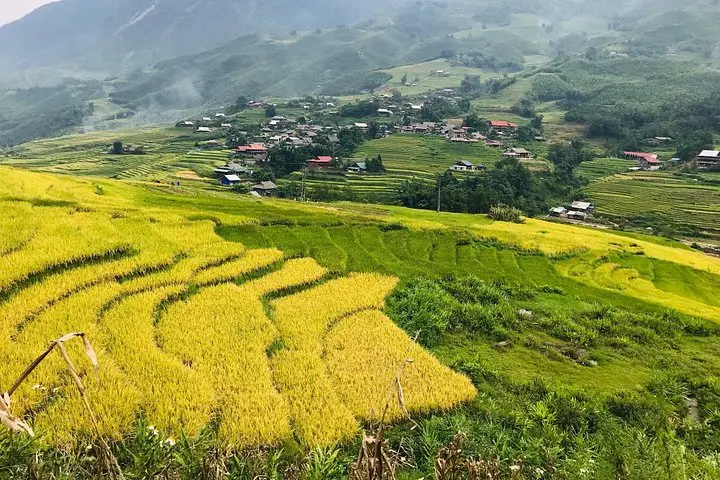

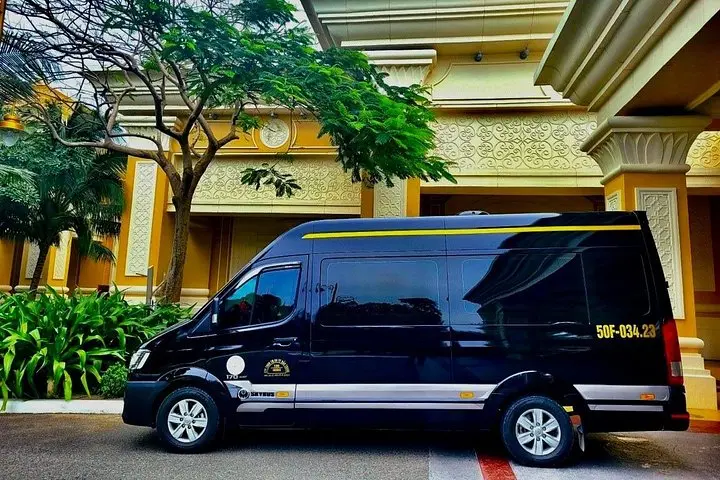
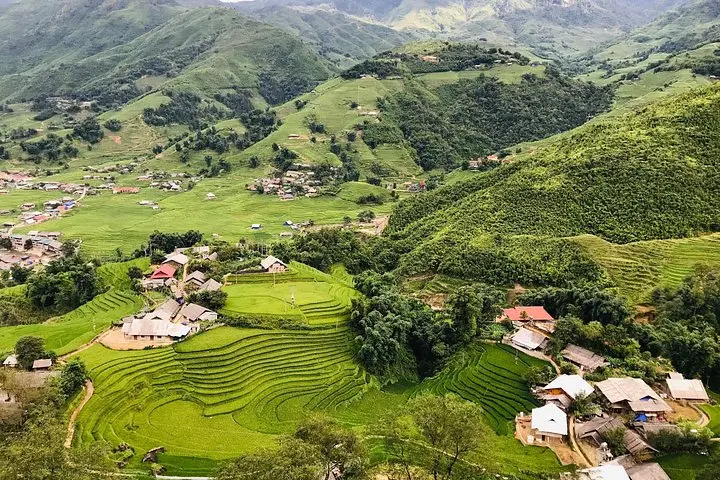
A damp morning in Lao Cai province unfolds as the Dcar limousine eases into Sapa’s highland air; mist clings to carved rice terraces and women in embroidered H’Mong jackets move like color through the fields. On day one the route drops into Muong Hoa Valley, threading forested switchbacks to Cat Cat village where wooden stilt houses and looms occupy the rhythm of daily life.
A damp morning in Lao Cai province unfolds as the Dcar limousine eases into Sapa’s highland air; mist clings to carved rice terraces and women in embroidered H’Mong jackets move like color through the fields. On day one the route drops into Muong Hoa Valley, threading forested switchbacks to Cat Cat village where wooden stilt houses and looms occupy the rhythm of daily life.
This corner of northern Vietnam carries layers of history: French hill-station architecture, centuries of Tai, H’Mong and Dzao settlement, and terraced agriculture shaped over generations. Geologically, the Hoang Lien Range is a fold of limestone and shale pushed up by tectonics into the region’s steep ridgelines; Fansipan, at over 3,140 m, dominates the skyline as Indochina’s highest point.
Culturally the trek is as much a people tour as a landscape one — expect encounters at family homesteads, traditional weaving demonstrations, and the occasional local market where fragrances of tea and corn toast the air.
Practical edge: the itinerary compresses hardy mileage into two days with one overnight in Sapa (hotel). Trails are dirt and stone, often wet and uneven; elevation can affect breathing on steeper sections toward Ham Rong or the Fansipan cable car station. Bring solid footwear, pack a rain shell, and plan for early starts to avoid afternoon fog. Hydrate and pace climbs—guides handle navigation and logistics, but a moderate level of fitness makes the trek enjoyable. If you opt for the Fansipan cable car, note tickets are separate; the ascent that way replaces a full technical climb but still rewards with sweeping high-mountain views.