THE ADVENTURE COLLECTIVE® · Independent discovery and booking for outdoor travel

A private, four-day Golden Triangle circuit from New Delhi to Agra and Jaipur that blends Mughal monuments, Rajput palaces and hands-on cultural moments. Short guided walks and comfortable transfers cover the highlights in a compact itinerary.
A private, four-day Golden Triangle circuit from New Delhi to Agra and Jaipur that blends Mughal monuments, Rajput palaces and hands-on cultural moments. Short guided walks and comfortable transfers cover the highlights in a compact itinerary.
The van eases out of New Delhi before dawn, headlights slicing through a river of headlights and occasional temple bells. Within hours the skyline gives way to low fields and the Yamuna’s ribbon of silver, and by midmorning the white marble of the Taj Mahal appears—glowing, silent, and impossible to ignore.
Verified experiences and guided adventures in the surrounding area.
Operated by Unseen Tours and Travels · New Delhi, Delhi
The van eases out of New Delhi before dawn, headlights slicing through a river of headlights and occasional temple bells. Within hours the skyline gives way to low fields and the Yamuna’s ribbon of silver, and by midmorning the white marble of the Taj Mahal appears—glowing, silent, and impossible to ignore.
This four-day private circuit covers roughly 250 km stretches between cities (each drive about 4–5 hours), folding British Raj boulevards, Mughal masonry and Rajput palaces into a single itinerary. In Delhi expect colonial-era avenues and Qutub Minar’s 12th-century tapering tower; in Agra the Taj Mahal and red sandstone Agra Fort reveal Mughal engineering and the use of Makrana marble; in Jaipur the hilltop Amer Fort and the City Palace sit against the older, mineral-rich Aravalli foothills.
Culturally the route traces imperial ambition: Shah Jahan’s mausoleum, Akbar’s fortifications and Jaipur’s planned 18th-century urban grid reflect different rulers’ priorities. Local life is visible at every turn—spice stalls, craftsmen in pink-painted bazaars, and a house dinner in Jaipur showing Rajasthani hospitality.
Practical guidance: the tour is vehicle-based with short guided walks at each site—expect multiple stairs, short uneven paths, and routine security checks (carry ID for Agra). Travel light for temple visits and dress modestly; mornings are best for photography and cooler temperatures. Distances between cities are manageable but plan for traffic delays; bottled water is provided, but bring a reusable bottle. Finally, book entrance tickets and timed Taj access ahead when possible—fridays the Taj is closed for congregational prayers.
The Taj Mahal is closed to visitors on Fridays for Jummah (congregational prayers); plan your visit on other days and reserve timed entry if possible.
Yes—small vendors, local markets and some service charges work better with cash (Indian rupees). Guides often accept cards for larger purchases but carry small denominations for tips.
This private tour includes a professional guide in Agra and Jaipur and transport; check your booking details for specific entrance fee coverage and hotel options.
Each intercity transfer is roughly 4–5 hours (about 250 km) depending on traffic; expect rest stops and short walking segments at sights.
Unseen Tours and Travels operates guided outdoor trips and adventures with an emphasis on safety, stewardship, and memorable experiences.


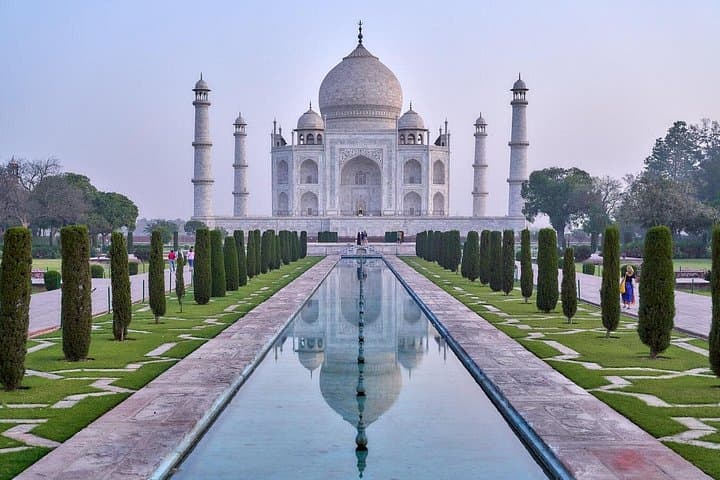

The van eases out of New Delhi before dawn, headlights slicing through a river of headlights and occasional temple bells. Within hours the skyline gives way to low fields and the Yamuna’s ribbon of silver, and by midmorning the white marble of the Taj Mahal appears—glowing, silent, and impossible to ignore.
The van eases out of New Delhi before dawn, headlights slicing through a river of headlights and occasional temple bells. Within hours the skyline gives way to low fields and the Yamuna’s ribbon of silver, and by midmorning the white marble of the Taj Mahal appears—glowing, silent, and impossible to ignore.
This four-day private circuit covers roughly 250 km stretches between cities (each drive about 4–5 hours), folding British Raj boulevards, Mughal masonry and Rajput palaces into a single itinerary. In Delhi expect colonial-era avenues and Qutub Minar’s 12th-century tapering tower; in Agra the Taj Mahal and red sandstone Agra Fort reveal Mughal engineering and the use of Makrana marble; in Jaipur the hilltop Amer Fort and the City Palace sit against the older, mineral-rich Aravalli foothills.
Culturally the route traces imperial ambition: Shah Jahan’s mausoleum, Akbar’s fortifications and Jaipur’s planned 18th-century urban grid reflect different rulers’ priorities. Local life is visible at every turn—spice stalls, craftsmen in pink-painted bazaars, and a house dinner in Jaipur showing Rajasthani hospitality.
Practical guidance: the tour is vehicle-based with short guided walks at each site—expect multiple stairs, short uneven paths, and routine security checks (carry ID for Agra). Travel light for temple visits and dress modestly; mornings are best for photography and cooler temperatures. Distances between cities are manageable but plan for traffic delays; bottled water is provided, but bring a reusable bottle. Finally, book entrance tickets and timed Taj access ahead when possible—fridays the Taj is closed for congregational prayers.