THE ADVENTURE COLLECTIVE® · Independent discovery and booking for outdoor travel
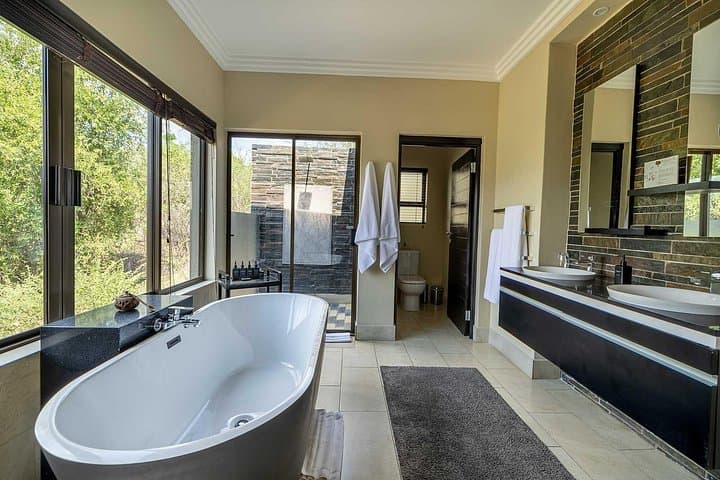
Spend four days in Pilanesberg’s malaria-free reserve from a five-star base at Shepherd’s Tree Game Lodge—morning and sunset open-vehicle drives, lodge comforts, and concentrated wildlife viewing. Learn what to expect and how to prepare for a measured, high-quality safari experience.
Spend four days in Pilanesberg’s malaria-free reserve from a five-star base at Shepherd’s Tree Game Lodge—morning and sunset open-vehicle drives, lodge comforts, and concentrated wildlife viewing. Learn what to expect and how to prepare for a measured, high-quality safari experience.
A low, red dawn washes the rim of the Pilanesberg crater and the open safari vehicle hums over gravel as an elephant bull steps out to inspect the road. The air smells of warm earth and dry grass; rangers scan the horizon with practiced patience while the lodge’s silhouette sits calm against the bushveld.
Verified experiences and guided adventures in the surrounding area.
Operated by MoAfrika Tours · Sun City, North West Province
A low, red dawn washes the rim of the Pilanesberg crater and the open safari vehicle hums over gravel as an elephant bull steps out to inspect the road. The air smells of warm earth and dry grass; rangers scan the horizon with practiced patience while the lodge’s silhouette sits calm against the bushveld.
Pilanesberg National Park occupies the eroded ring of an ancient volcanic complex; its exposed igneous formations and shallow pans shape a landscape that funnels wildlife and birds into predictable viewing zones. The reserve is malaria-free and was established in the late 20th century to reintroduce native species, reconnecting ecosystems displaced by history and development. Local cultures—Tswana communities and nearby Sun City hospitality—inform lodge cuisine, guiding styles, and a conservation ethic focused on anti-poaching and community benefits.
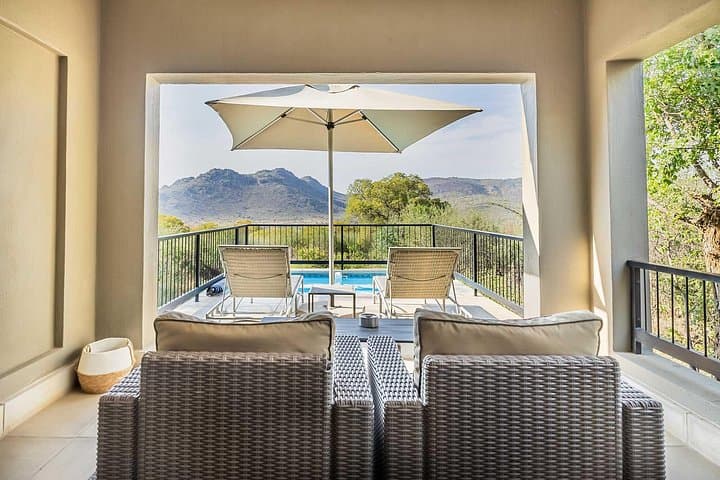
On a four-day itinerary at Shepherd’s Tree Game Lodge, expect twice-daily open-vehicle drives timed for sunrise and sunset when predators and grazers move. Drives are slow, observational, and guided by trackers who read spoor and wind as readily as a map. Between outings, the lodge offers poolside rest, high tea, and spa options; evenings arrive with a boma fire and lantern-lit dinners.
Practically, pack neutral layers for temperature swings, a brimmed hat for glare, and a small daypack with water and camera gear. Binoculars and good walking shoes improve short bush walks and sighting clarity. Drives can be dusty—bring a light buff—and photography benefits from fast lenses and steady hands. Bookings often include park fees and meals; expect quiet, focused wildlife viewing rather than fast-paced trekking.
Yes—Pilanesberg is generally considered malaria-free, but always consult a travel health clinic for your personal medical advice.
Drives typically run at sunrise and late afternoon, each about three hours to maximize wildlife activity and soft light for viewing.
Many lodges welcome children but may restrict certain night activities; confirm age policies and vehicle seating with the operator when booking.
A telephoto lens (200–400mm) for mammals, a faster lens for low-light dawn/dusk shots, and a compact tripod or monopod for stability are recommended.
MoAfrika Tours operates guided outdoor trips and adventures with an emphasis on safety, stewardship, and memorable experiences.
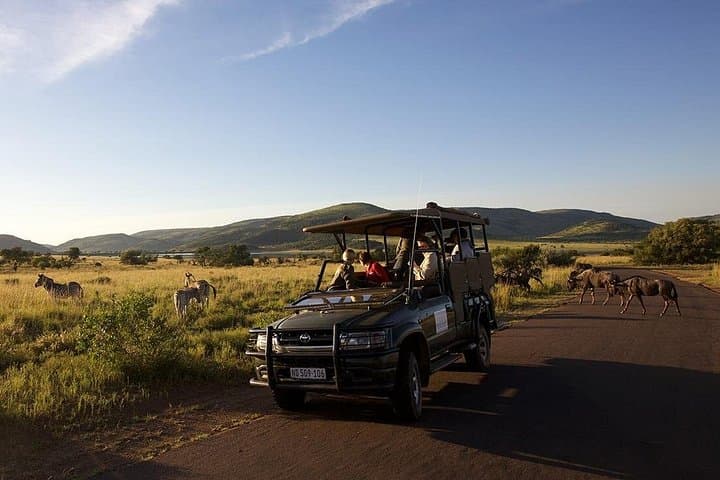
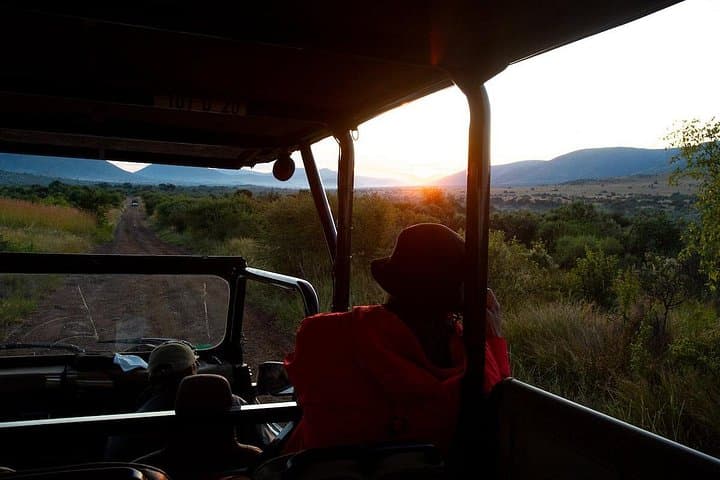
A low, red dawn washes the rim of the Pilanesberg crater and the open safari vehicle hums over gravel as an elephant bull steps out to inspect the road. The air smells of warm earth and dry grass; rangers scan the horizon with practiced patience while the lodge’s silhouette sits calm against the bushveld.
A low, red dawn washes the rim of the Pilanesberg crater and the open safari vehicle hums over gravel as an elephant bull steps out to inspect the road. The air smells of warm earth and dry grass; rangers scan the horizon with practiced patience while the lodge’s silhouette sits calm against the bushveld.
Pilanesberg National Park occupies the eroded ring of an ancient volcanic complex; its exposed igneous formations and shallow pans shape a landscape that funnels wildlife and birds into predictable viewing zones. The reserve is malaria-free and was established in the late 20th century to reintroduce native species, reconnecting ecosystems displaced by history and development. Local cultures—Tswana communities and nearby Sun City hospitality—inform lodge cuisine, guiding styles, and a conservation ethic focused on anti-poaching and community benefits.
On a four-day itinerary at Shepherd’s Tree Game Lodge, expect twice-daily open-vehicle drives timed for sunrise and sunset when predators and grazers move. Drives are slow, observational, and guided by trackers who read spoor and wind as readily as a map. Between outings, the lodge offers poolside rest, high tea, and spa options; evenings arrive with a boma fire and lantern-lit dinners.
Practically, pack neutral layers for temperature swings, a brimmed hat for glare, and a small daypack with water and camera gear. Binoculars and good walking shoes improve short bush walks and sighting clarity. Drives can be dusty—bring a light buff—and photography benefits from fast lenses and steady hands. Bookings often include park fees and meals; expect quiet, focused wildlife viewing rather than fast-paced trekking.
