THE ADVENTURE COLLECTIVE® · Independent discovery and booking for outdoor travel

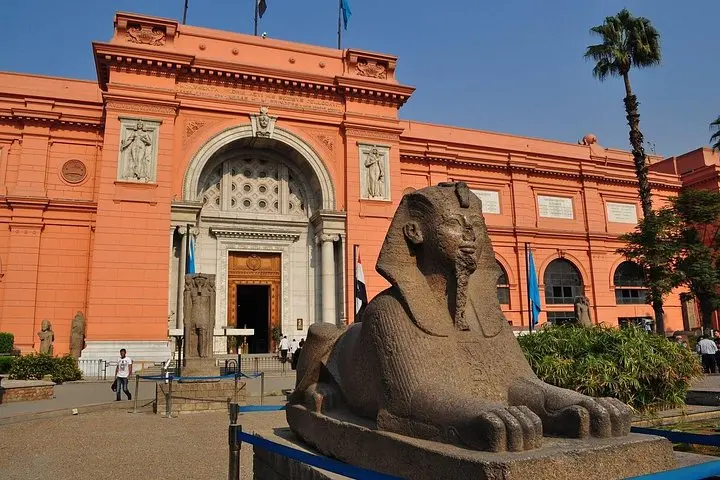
A privileged five-day circuit through Egypt’s headline sites: explore the Giza pyramids and Egyptian Museum, cross to Aswan and Abu Simbel, then finish amid Luxor’s tombs and temples. This itinerary pairs five-star hotels and guided interpretation with internal flights for efficient travel between iconic monuments.
A privileged five-day circuit through Egypt’s headline sites: explore the Giza pyramids and Egyptian Museum, cross to Aswan and Abu Simbel, then finish amid Luxor’s tombs and temples. This itinerary pairs five-star hotels and guided interpretation with internal flights for efficient travel between iconic monuments.
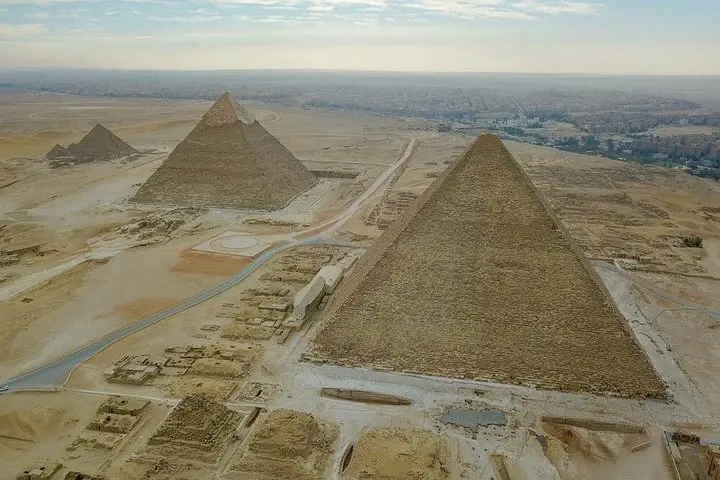
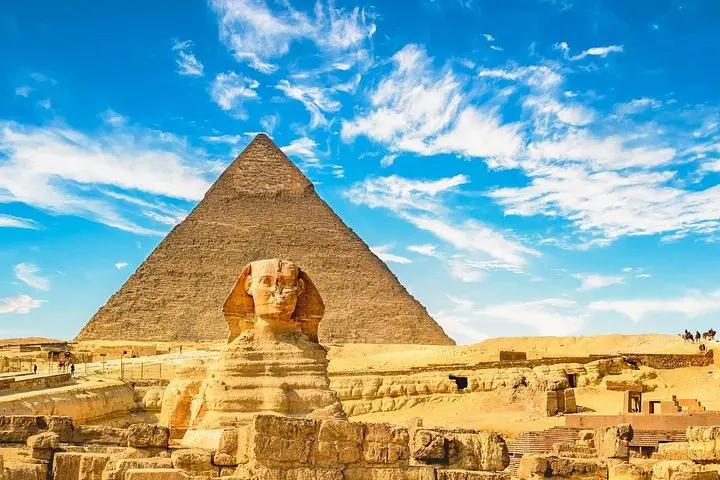
You step out of the car into a wash of dry heat and stone: the Giza plateau spreads before you, flat and immense, the Great Pyramid holding the horizon like an old, patient king.
Verified experiences and guided adventures in the surrounding area.
Operated by Luxor Private Day Tours · Cairo, Cairo Governorate
You step out of the car into a wash of dry heat and stone: the Giza plateau spreads before you, flat and immense, the Great Pyramid holding the horizon like an old, patient king.
This five-day loop—Cairo’s museums and pyramids, Aswan’s riverfront calm, the cliff-cut majesty of Abu Simbel and Luxor’s royal necropolises—reads like a compact course in ancient Egyptian power. The limestone and sandstone of the Nile valley bear millennia of human reworking: tomb cuttings on the West Bank, colonnaded Karnak halls built up over centuries, and the relocated Abu Simbel temples whose rescue in the 1960s reshaped modern conservation practice.
Culture here is public and tactile: merchants calling in souks, imams’ calls folding into evening traffic, feluccas rocking on the river daring you to slow down. Guides—usually Egyptologists—bridge the gap between inscription and story, translating hieroglyphs, chronology and ritual into readable, immediate context.
Practically, expect early starts, airport transfers, and walking on uneven stone, with long drives or short internal flights between nodes. Temperatures swing; shade and hydration matter. Entrance fees and fast-track permits are typically included, but small-site purchases and tips are cash-based. Bring a compact daypack, sun protection and comfortable walking shoes with good soles: some tombs require crouched entry and uneven steps.
This itinerary compresses a wide swath of Egyptian history into five curated days—efficient, interpretive, and best approached with curiosity and basic mobility.
Most visitors require a tourist visa, obtainable on arrival for many nationalities or in advance via the Egyptian e-visa system—check requirements for your passport before travel.
The tour is rated easy but involves several hours of walking each day on uneven surfaces and steps; basic mobility and stamina for multi-hour days are recommended.
This package lists entrance fees and domestic flights in the inclusions, but confirm any special optional excursions may incur extra charges on-site.
Tipping is customary; carry small-denomination Egyptian pounds and tip daily—roughly a few dollars equivalent per guide/driver per day is standard depending on service.
Luxor Private Day Tours operates guided outdoor trips and adventures with an emphasis on safety, stewardship, and memorable experiences.

You step out of the car into a wash of dry heat and stone: the Giza plateau spreads before you, flat and immense, the Great Pyramid holding the horizon like an old, patient king.
You step out of the car into a wash of dry heat and stone: the Giza plateau spreads before you, flat and immense, the Great Pyramid holding the horizon like an old, patient king.
This five-day loop—Cairo’s museums and pyramids, Aswan’s riverfront calm, the cliff-cut majesty of Abu Simbel and Luxor’s royal necropolises—reads like a compact course in ancient Egyptian power. The limestone and sandstone of the Nile valley bear millennia of human reworking: tomb cuttings on the West Bank, colonnaded Karnak halls built up over centuries, and the relocated Abu Simbel temples whose rescue in the 1960s reshaped modern conservation practice.
Culture here is public and tactile: merchants calling in souks, imams’ calls folding into evening traffic, feluccas rocking on the river daring you to slow down. Guides—usually Egyptologists—bridge the gap between inscription and story, translating hieroglyphs, chronology and ritual into readable, immediate context.
Practically, expect early starts, airport transfers, and walking on uneven stone, with long drives or short internal flights between nodes. Temperatures swing; shade and hydration matter. Entrance fees and fast-track permits are typically included, but small-site purchases and tips are cash-based. Bring a compact daypack, sun protection and comfortable walking shoes with good soles: some tombs require crouched entry and uneven steps.
This itinerary compresses a wide swath of Egyptian history into five curated days—efficient, interpretive, and best approached with curiosity and basic mobility.