THE ADVENTURE COLLECTIVE® · Independent discovery and booking for outdoor travel

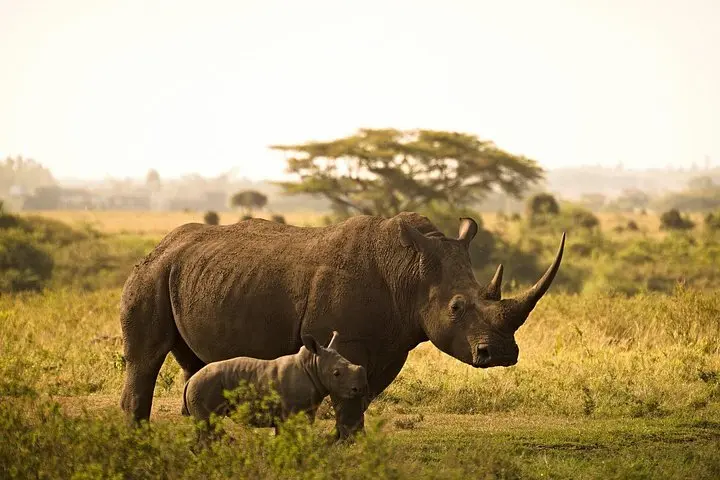
A compact luxury safari that pairs lake-side birdlife and hippos at Naivasha with classic big-game viewing in the Masai Mara. Expect early morning drives, comfortable lodges, and front-row encounters with Africa's iconic species.
A compact luxury safari that pairs lake-side birdlife and hippos at Naivasha with classic big-game viewing in the Masai Mara. Expect early morning drives, comfortable lodges, and front-row encounters with Africa's iconic species.
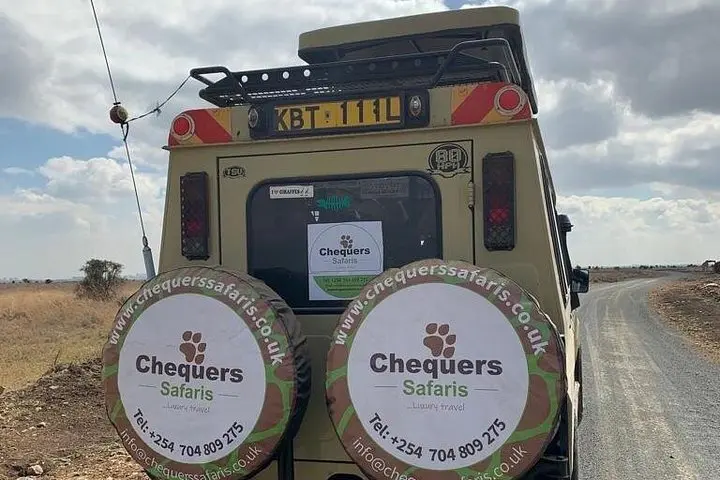
You step out before dawn on the savanna as a low light stretches across grass that smells faintly of dust and elephant dung. The Land Cruiser hums, tires whispering on compacted track, and the guide points: a pair of lions curled like weathered stones beneath an acacia. Later, on Lake Naivasha, the water dares you to slow down — hippos exhale, reed beds move like a watchful fringe.
Verified experiences and guided adventures in the surrounding area.
Operated by Chequers Safaris · Masai Mara, Narok County
You step out before dawn on the savanna as a low light stretches across grass that smells faintly of dust and elephant dung. The Land Cruiser hums, tires whispering on compacted track, and the guide points: a pair of lions curled like weathered stones beneath an acacia. Later, on Lake Naivasha, the water dares you to slow down — hippos exhale, reed beds move like a watchful fringe.
This short, high-impact safari moves between two Rift Valley worlds. Lake Naivasha sits in the eastern arm of the rift, formed by tectonic down-warping; its shallow shores support papyrus and a long history of horticulture and colonial settlement. Masai Mara, a southwest extension of the Serengeti ecosystem, is a rolling mix of riverine galleries and open plains shaped by volcanic soils and seasonal floods. The Maasai people maintain a strong cultural presence here; many conservancies are co-managed to protect migration corridors.
Expect multiple daily game drives with early starts and long afternoons in shaded lodges or comfortable tented camps. Wildlife viewing peaks in the dry season when animals concentrate near water, but birds and wetland life at Naivasha are best in the rains. Practical notes: pack binoculars, lightweight layers for cool mornings, sun protection and a reusable water bottle. Bring insect repellent and flexible shoes — paths in camp are uneven but not technical.
This itinerary suits travelers who want concentrated wildlife encounters without multi-week travel. Book transfers and clarify balloon-safari options in advance; conservation fees and community levies are often separate charges.
Malaria risk exists in both areas; consult your travel clinic for recommended prophylaxis and follow bite-prevention measures.
Some fees may be included but others like balloon flights, special conservancy levies, and tips are often extra—confirm with the operator before booking.
Most lodges and camps can handle common dietary needs if notified in advance; list restrictions when you book.
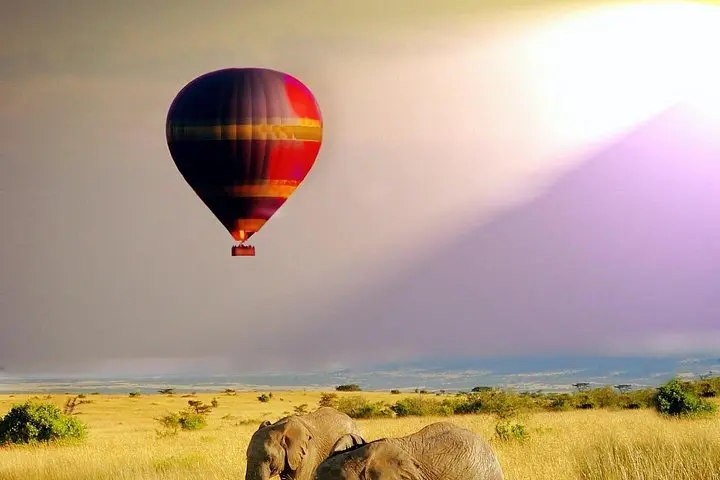
Hot-air balloon trips are optional and typically booked separately—ask about availability and additional costs well before arrival.
Chequers Safaris operates guided outdoor trips and adventures with an emphasis on safety, stewardship, and memorable experiences.
You step out before dawn on the savanna as a low light stretches across grass that smells faintly of dust and elephant dung. The Land Cruiser hums, tires whispering on compacted track, and the guide points: a pair of lions curled like weathered stones beneath an acacia. Later, on Lake Naivasha, the water dares you to slow down — hippos exhale, reed beds move like a watchful fringe.
You step out before dawn on the savanna as a low light stretches across grass that smells faintly of dust and elephant dung. The Land Cruiser hums, tires whispering on compacted track, and the guide points: a pair of lions curled like weathered stones beneath an acacia. Later, on Lake Naivasha, the water dares you to slow down — hippos exhale, reed beds move like a watchful fringe.
This short, high-impact safari moves between two Rift Valley worlds. Lake Naivasha sits in the eastern arm of the rift, formed by tectonic down-warping; its shallow shores support papyrus and a long history of horticulture and colonial settlement. Masai Mara, a southwest extension of the Serengeti ecosystem, is a rolling mix of riverine galleries and open plains shaped by volcanic soils and seasonal floods. The Maasai people maintain a strong cultural presence here; many conservancies are co-managed to protect migration corridors.
Expect multiple daily game drives with early starts and long afternoons in shaded lodges or comfortable tented camps. Wildlife viewing peaks in the dry season when animals concentrate near water, but birds and wetland life at Naivasha are best in the rains. Practical notes: pack binoculars, lightweight layers for cool mornings, sun protection and a reusable water bottle. Bring insect repellent and flexible shoes — paths in camp are uneven but not technical.
This itinerary suits travelers who want concentrated wildlife encounters without multi-week travel. Book transfers and clarify balloon-safari options in advance; conservation fees and community levies are often separate charges.