THE ADVENTURE COLLECTIVE® · Independent discovery and booking for outdoor travel

Sail between Luxor and Aswan on a five-day luxury Nile cruise guided by an Egyptologist. See Karnak, the Valley of the Kings, Edfu and Philae while returning each night to a comfortable floating hotel.
Sail between Luxor and Aswan on a five-day luxury Nile cruise guided by an Egyptologist. See Karnak, the Valley of the Kings, Edfu and Philae while returning each night to a comfortable floating hotel.
The morning light breaks over the Nile as your five-star dahabiya slips away from Luxor’s quay, palm fronds brushing the riverbank and the city’s minarets shrinking into the distance.
Verified experiences and guided adventures in the surrounding area.
Operated by Egypt Holiday Makers Travel · Luxor, Luxor Governorate
The morning light breaks over the Nile as your five-star dahabiya slips away from Luxor’s quay, palm fronds brushing the riverbank and the city’s minarets shrinking into the distance.
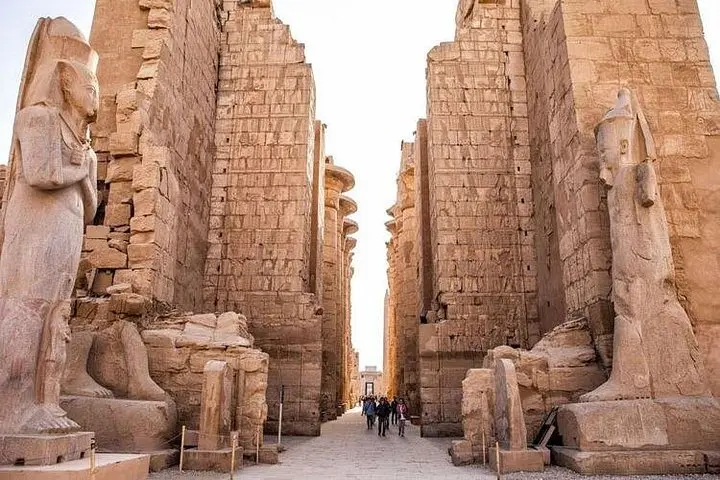
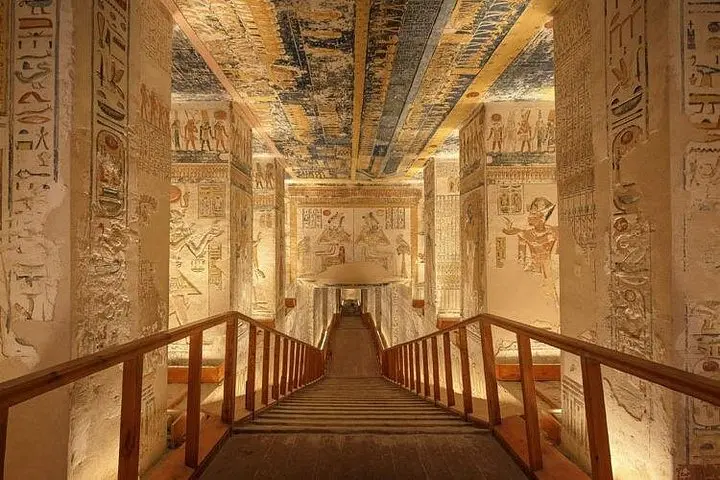
Over the next five days you trade airports and hotels for a steady horizon: temple pylons, scattered villages, and low desert cliffs that tell the Nile’s geological story. With a licensed Egyptologist as your companion, walls of hieroglyphs and carved colossi stop being relics and become readable narratives — Karnak’s hypostyle, the royal tombs of the Valley of the Kings, the carved terraces of Hatshepsut, the almost intact columns of Edfu, and the twin dedication at Kom Ombo.
This route traces millennia: Pharaonic power, Greco-Roman patronage, and modern interventions like the Aswan High Dam, a 20th-century answer to the Nile’s flood cycle. Culturally, the river remains a working artery — fishermen, feluccas and seasonal agriculture intersect with sites preserved for tourism.
Practically, expect short guided walks at archaeological sites, uneven stone floors, and sun exposure by day; the evenings aboard are calm and comfortable. Carry a hat, sunscreen, and shoes with good grip for temple thresholds. Bring local currency for small purchases and tipping — service is personalized and often best rewarded directly.
If your itinerary allows, consider an early-morning temple visit to avoid heat and crowds, or extend to Abu Simbel from Aswan for monumental rock-cut façades. For travelers who want depth without the churn of hotels, this cruise delivers curated access to Egypt’s living past with the ease of a floating basecamp.
Most temple and tomb entrance fees listed in the itinerary are included; check your booking confirmation for specifics and any optional extras like Abu Simbel.
The trip is labeled suitable for all fitness levels, but several sites have steps and uneven surfaces; contact the operator in advance to arrange assistance if needed.
Tipping is customary for guides, drivers and ship crew; bring small denominations of Egyptian pounds for purchases and gratuities, though larger tips can be paid by card in some places.
Abu Simbel is an optional add-on from Aswan, typically requiring an early transfer; confirm availability and additional cost with the operator.
Egypt Holiday Makers Travel operates guided outdoor trips and adventures with an emphasis on safety, stewardship, and memorable experiences.
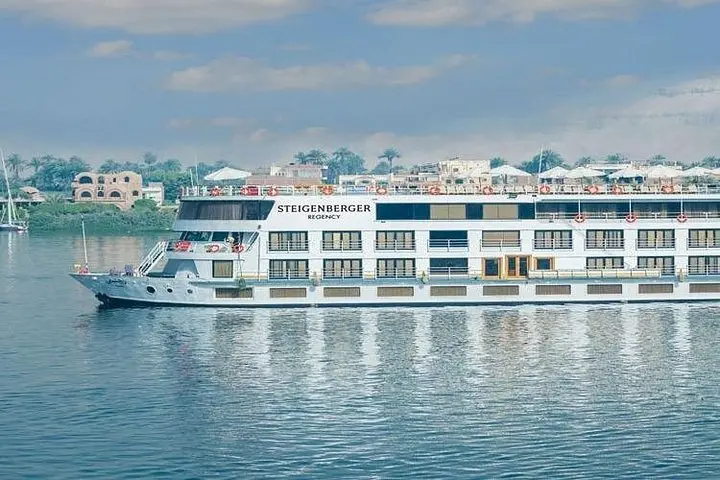
The morning light breaks over the Nile as your five-star dahabiya slips away from Luxor’s quay, palm fronds brushing the riverbank and the city’s minarets shrinking into the distance.
The morning light breaks over the Nile as your five-star dahabiya slips away from Luxor’s quay, palm fronds brushing the riverbank and the city’s minarets shrinking into the distance.
Over the next five days you trade airports and hotels for a steady horizon: temple pylons, scattered villages, and low desert cliffs that tell the Nile’s geological story. With a licensed Egyptologist as your companion, walls of hieroglyphs and carved colossi stop being relics and become readable narratives — Karnak’s hypostyle, the royal tombs of the Valley of the Kings, the carved terraces of Hatshepsut, the almost intact columns of Edfu, and the twin dedication at Kom Ombo.
This route traces millennia: Pharaonic power, Greco-Roman patronage, and modern interventions like the Aswan High Dam, a 20th-century answer to the Nile’s flood cycle. Culturally, the river remains a working artery — fishermen, feluccas and seasonal agriculture intersect with sites preserved for tourism.
Practically, expect short guided walks at archaeological sites, uneven stone floors, and sun exposure by day; the evenings aboard are calm and comfortable. Carry a hat, sunscreen, and shoes with good grip for temple thresholds. Bring local currency for small purchases and tipping — service is personalized and often best rewarded directly.
If your itinerary allows, consider an early-morning temple visit to avoid heat and crowds, or extend to Abu Simbel from Aswan for monumental rock-cut façades. For travelers who want depth without the churn of hotels, this cruise delivers curated access to Egypt’s living past with the ease of a floating basecamp.