THE ADVENTURE COLLECTIVE® · Independent discovery and booking for outdoor travel

Float between some of Egypt’s most famous temples on a five-day private Nile cruise from Luxor to Aswan. Expect guided Egyptologist tours, early-morning temple visits, and relaxed evenings aboard a deluxe vessel.
Float between some of Egypt’s most famous temples on a five-day private Nile cruise from Luxor to Aswan. Expect guided Egyptologist tours, early-morning temple visits, and relaxed evenings aboard a deluxe vessel.
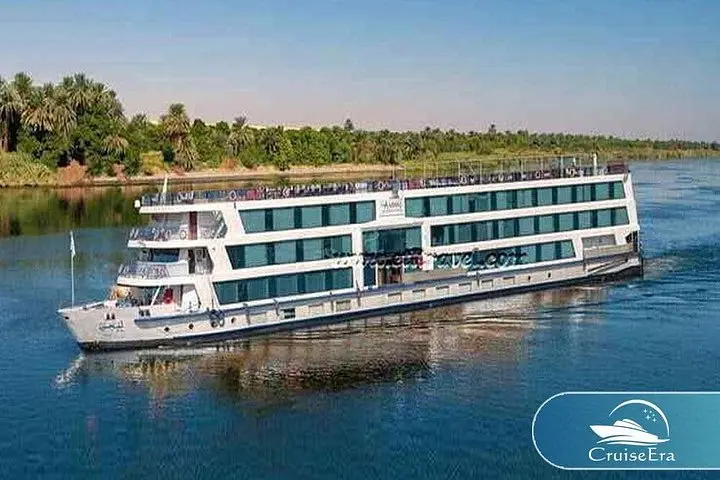
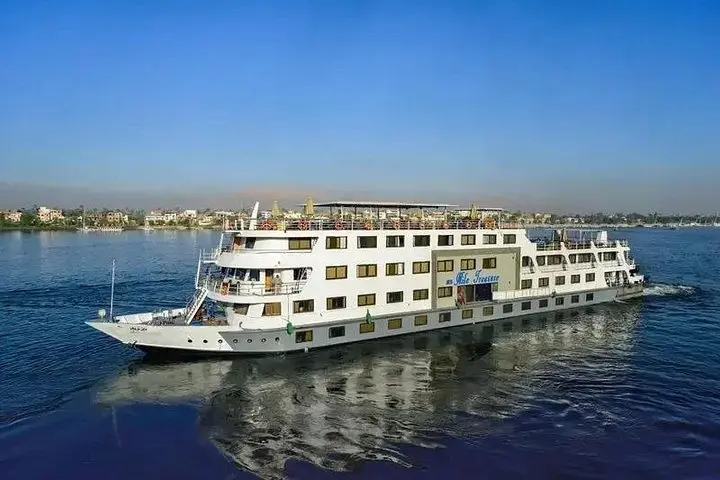
You step onto teak decking with the Nile at shoulder height, a slow ribbon of green light that seems to dare you to slow down. The cruise glides past reed-lined banks, fishermen in feluccas, and the occasional cluster of date palms — the river pushing you from one ancient monument to the next.
Verified experiences and guided adventures in the surrounding area.
Operated by CRUISE ERA · Luxor, Luxor Governorate
You step onto teak decking with the Nile at shoulder height, a slow ribbon of green light that seems to dare you to slow down. The cruise glides past reed-lined banks, fishermen in feluccas, and the occasional cluster of date palms — the river pushing you from one ancient monument to the next.
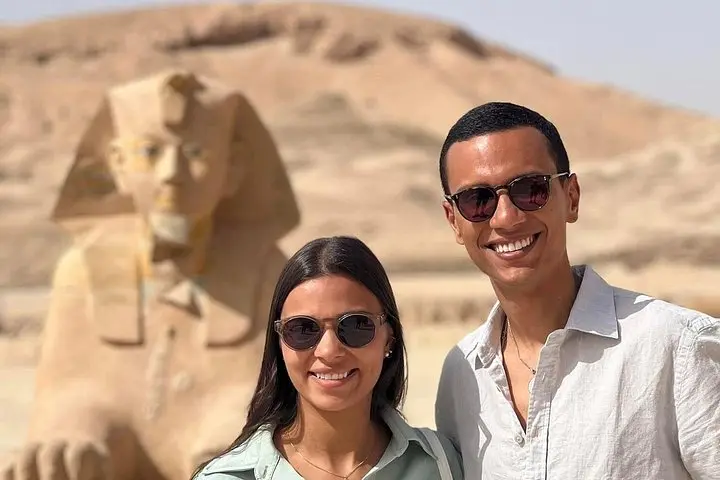
This itinerary threads Egypt’s most iconic sites: Karnak and Luxor temples, the Valley of the Kings, Hatshepsut’s mortuary temple, Edfu and Kom Ombo, and the island sanctuary of Philae. Geology here is simple and stark — the river carves a fertile corridor through oxidized sandstone and limestone hills that once sheltered royal tombs. Culturally, the Nile is the region’s spinal cord: agriculture, seasonal rhythms and millennia of ritual are written on its banks.
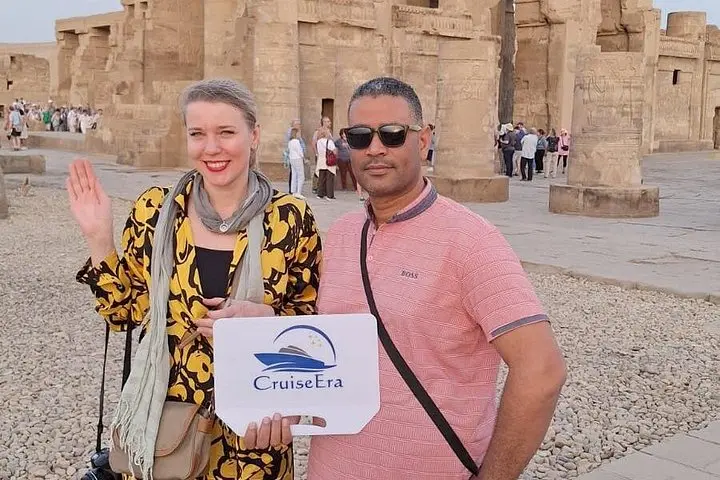
Expect guided tours led by an Egyptologist, short transfers in air-conditioned vehicles, and evenings back on a five-star vessel with full board, a pool and onboard entertainment. Walking on-site involves uneven stone, steps, and exposed sunlight; archaeological sites demand respectful, camera-ready attention.
Practical guidance: aim for early-morning or late-afternoon temple visits to avoid the high sun, carry sunscreen and a refillable water bottle, and pack shoes with good tread for tomb descents and temple ramps. If you opt for the Abu Simbel add-on, be prepared for an early transfer. Keep copies of travel documents and wear a light layer for cooler desert mornings — the Nile will warm you by midday and cool you again at dusk.
Entry fees to the listed historical sites are included in this cruise package.
Abu Simbel is offered as an optional add-on and typically requires an early morning transfer; check availability before booking.
Many sites have uneven ground and steps; some transfers and the cruise are wheelchair accessible, but individual monuments may have limited access.
Travelers should check visa requirements for Egypt and consult health guidance; routine vaccinations are recommended, and check for any entry health rules.
CRUISE ERA operates guided outdoor trips and adventures with an emphasis on safety, stewardship, and memorable experiences.
You step onto teak decking with the Nile at shoulder height, a slow ribbon of green light that seems to dare you to slow down. The cruise glides past reed-lined banks, fishermen in feluccas, and the occasional cluster of date palms — the river pushing you from one ancient monument to the next.
You step onto teak decking with the Nile at shoulder height, a slow ribbon of green light that seems to dare you to slow down. The cruise glides past reed-lined banks, fishermen in feluccas, and the occasional cluster of date palms — the river pushing you from one ancient monument to the next.
This itinerary threads Egypt’s most iconic sites: Karnak and Luxor temples, the Valley of the Kings, Hatshepsut’s mortuary temple, Edfu and Kom Ombo, and the island sanctuary of Philae. Geology here is simple and stark — the river carves a fertile corridor through oxidized sandstone and limestone hills that once sheltered royal tombs. Culturally, the Nile is the region’s spinal cord: agriculture, seasonal rhythms and millennia of ritual are written on its banks.
Expect guided tours led by an Egyptologist, short transfers in air-conditioned vehicles, and evenings back on a five-star vessel with full board, a pool and onboard entertainment. Walking on-site involves uneven stone, steps, and exposed sunlight; archaeological sites demand respectful, camera-ready attention.
Practical guidance: aim for early-morning or late-afternoon temple visits to avoid the high sun, carry sunscreen and a refillable water bottle, and pack shoes with good tread for tomb descents and temple ramps. If you opt for the Abu Simbel add-on, be prepared for an early transfer. Keep copies of travel documents and wear a light layer for cooler desert mornings — the Nile will warm you by midday and cool you again at dusk.