THE ADVENTURE COLLECTIVE® · Independent discovery and booking for outdoor travel

A 14-day guided teahouse trek that leads from Pokhara into the Modi Khola valley and up to Annapurna Base Camp (4,130 m). Expect mixed stone steps, forested climbs, and luxury lodge comforts to soften the high-altitude challenge.
A 14-day guided teahouse trek that leads from Pokhara into the Modi Khola valley and up to Annapurna Base Camp (4,130 m). Expect mixed stone steps, forested climbs, and luxury lodge comforts to soften the high-altitude challenge.
The trail opens like a moving panorama: damp rhododendron slopes give way to stacked rice terraces, then to stone steps climbing out of forest toward clear alpine light. On Day 8 you break above the tree line and Annapurna Base Camp sits in the bowl of the mountains — glaciers and rock thrusting around you as the air thins.
Verified experiences and guided adventures in the surrounding area.
Operated by Welcome Nepal Treks P.ltd · Pokhara, Gandaki Province
The trail opens like a moving panorama: damp rhododendron slopes give way to stacked rice terraces, then to stone steps climbing out of forest toward clear alpine light. On Day 8 you break above the tree line and Annapurna Base Camp sits in the bowl of the mountains — glaciers and rock thrusting around you as the air thins.
This route threads centuries of local culture and dramatic geology. The Annapurna massif is part of the Himalayan uplift where the Indian Plate slams into Eurasia; peaks here tell a story of collision, uplift and glaciation. Villages such as Ghandruk preserve Gurung traditions — stone houses, terraced fields and evening cultural shows on request. The trail follows the Modi Khola valley, passing traditional teahouses that grew alongside the trekking boom that began in the 1970s.
Expect daily marches of 4–7 hours on mixed terrain: packed earth, stone stairways and scree above 3,000 m. Elevation range on this itinerary runs roughly 833 m (Pokhara) up to 4,130 m at ABC, so pace and acclimatization matter more than speed. Lodges on the Luxury itinerary offer upgraded rooms and meals in higher-altitude teahouses to ease recovery.
Practical guidance: carry a light daypack, hire a porter to limit fatigue, and plan for slow ascents above 2,500 m. Hydrate deliberately, use a layered system for wide temperature swings, and book spring or autumn windows for the clearest mountain views. Allow rest and watch weather windows — Himalayan afternoons can close fast and the mountains will make you rethink your timetable.
Yes — you need an Annapurna Conservation Area Permit (ACAP) and a TIMS card; guides or operators typically arrange these before departure.
Spring (March–May) and autumn (September–November) offer the clearest views and stable conditions; monsoon brings cloud and winter brings deep snow above 3,500 m.
Physically it’s demanding because of consecutive days and altitude; beginners should prepare with multi-hour hikes and allow the full itinerary for acclimatization.
The itinerary offers upgraded lodge options where infrastructure allows, but accommodation at higher elevations remains basic compared with city hotels.
Welcome Nepal Treks P.ltd operates guided outdoor trips and adventures with an emphasis on safety, stewardship, and memorable experiences.
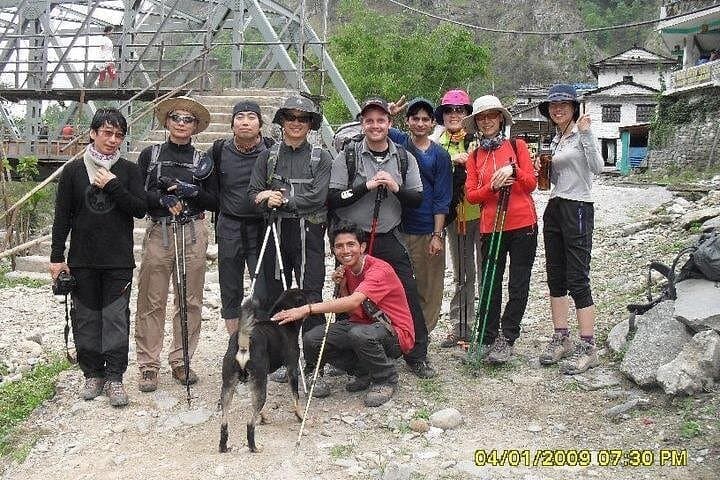
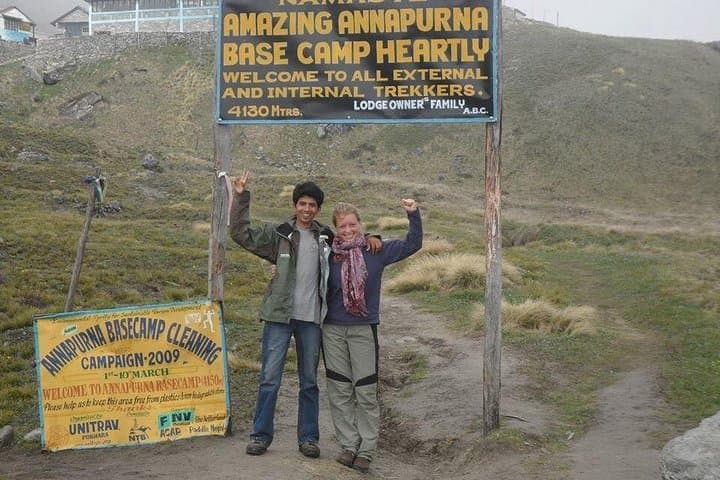
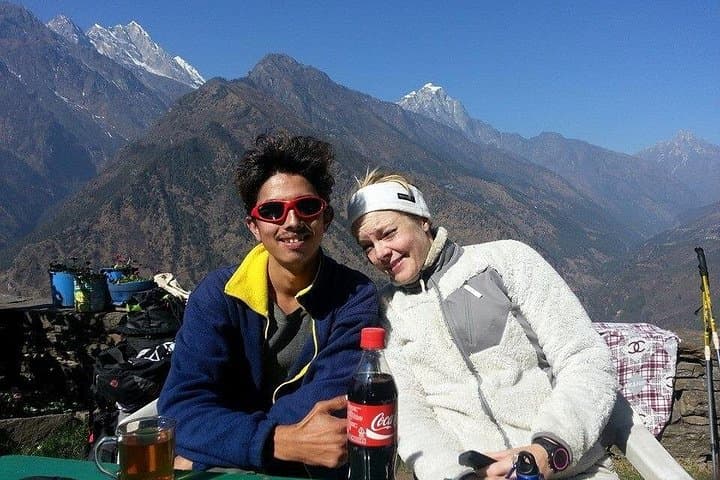
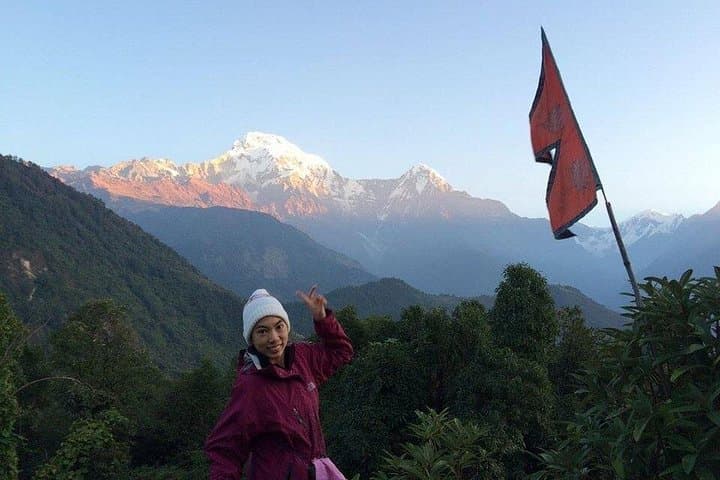
The trail opens like a moving panorama: damp rhododendron slopes give way to stacked rice terraces, then to stone steps climbing out of forest toward clear alpine light. On Day 8 you break above the tree line and Annapurna Base Camp sits in the bowl of the mountains — glaciers and rock thrusting around you as the air thins.
The trail opens like a moving panorama: damp rhododendron slopes give way to stacked rice terraces, then to stone steps climbing out of forest toward clear alpine light. On Day 8 you break above the tree line and Annapurna Base Camp sits in the bowl of the mountains — glaciers and rock thrusting around you as the air thins.
This route threads centuries of local culture and dramatic geology. The Annapurna massif is part of the Himalayan uplift where the Indian Plate slams into Eurasia; peaks here tell a story of collision, uplift and glaciation. Villages such as Ghandruk preserve Gurung traditions — stone houses, terraced fields and evening cultural shows on request. The trail follows the Modi Khola valley, passing traditional teahouses that grew alongside the trekking boom that began in the 1970s.
Expect daily marches of 4–7 hours on mixed terrain: packed earth, stone stairways and scree above 3,000 m. Elevation range on this itinerary runs roughly 833 m (Pokhara) up to 4,130 m at ABC, so pace and acclimatization matter more than speed. Lodges on the Luxury itinerary offer upgraded rooms and meals in higher-altitude teahouses to ease recovery.
Practical guidance: carry a light daypack, hire a porter to limit fatigue, and plan for slow ascents above 2,500 m. Hydrate deliberately, use a layered system for wide temperature swings, and book spring or autumn windows for the clearest mountain views. Allow rest and watch weather windows — Himalayan afternoons can close fast and the mountains will make you rethink your timetable.