THE ADVENTURE COLLECTIVE® · Independent discovery and booking for outdoor travel
Spend a night in a purpose-built cabin hide and watch brown bears, wolverines and foxes move within meters of the window. This combination of wilderness seclusion and comfort is designed for observers who value quiet, patience and responsible wildlife viewing.
Spend a night in a purpose-built cabin hide and watch brown bears, wolverines and foxes move within meters of the window. This combination of wilderness seclusion and comfort is designed for observers who value quiet, patience and responsible wildlife viewing.
Dawn slips across a frozen palsa and the cabin’s wide window becomes a theater: a brown back moves through birch trunks, the bear’s breath fogging the glass. Inside, the light of a single lamp and the distant creak of pine set a quiet frame — you watch animals on their own terms while modern comforts keep you warm.
Verified experiences and guided adventures in the surrounding area.
Operated by Bear Centre · Kuhmo, Kainuu
Dawn slips across a frozen palsa and the cabin’s wide window becomes a theater: a brown back moves through birch trunks, the bear’s breath fogging the glass. Inside, the light of a single lamp and the distant creak of pine set a quiet frame — you watch animals on their own terms while modern comforts keep you warm.
This experience takes place in Finland’s boreal forest where glacial geology left lakes, ridges and peatlands that shape animal travel routes. Bears, long part of Sámi and Finnish folklore, follow ancient corridors between feeding grounds and den sites; wolves, wolverines and red foxes also pass through. The cabins are sited near regular feeding spots and constructed as double-glazed hides, offering safety and unobstructed views.
Expect minimal elevation, forest tracks, and a terrain of loamy soil, moss and lichen that can be soft underfoot after rain. Sightings vary by season: spring and autumn concentrate activity at feeding sites, summer brings dense understory and bird song, winter can reduce visible bear activity as most bears den. Operators emphasize patience, silence and respect.
Practical guidance: book well in advance for high-season months, bring layered clothing for dramatic temperature swings, and use optics with a modest telephoto rather than trying to approach animals. The cabins typically include a kitchenette, shower and toilet, and are designed for low-impact viewing. Leave no food outside, follow staff safety briefings, and plan transport to a remote access road — a 24-hour stay is common to increase sighting odds and soak in the landscape.
Operators report high probabilities in peak months (often 80–99%), but sightings depend on season, weather and animal movement; a 24-hour stay improves odds.
Yes — hides are double-glazed and designed to prevent contact; follow staff instructions and never attempt to feed or approach wildlife.
Many cabins accommodate children and the site in this product is wheelchair accessible, but check operator age policies and comfort with long quiet periods.
Access usually requires driving to a remote forest road and a short walk; operators provide detailed directions and sometimes transfer options.
Bear Centre operates guided outdoor trips and adventures with an emphasis on safety, stewardship, and memorable experiences.
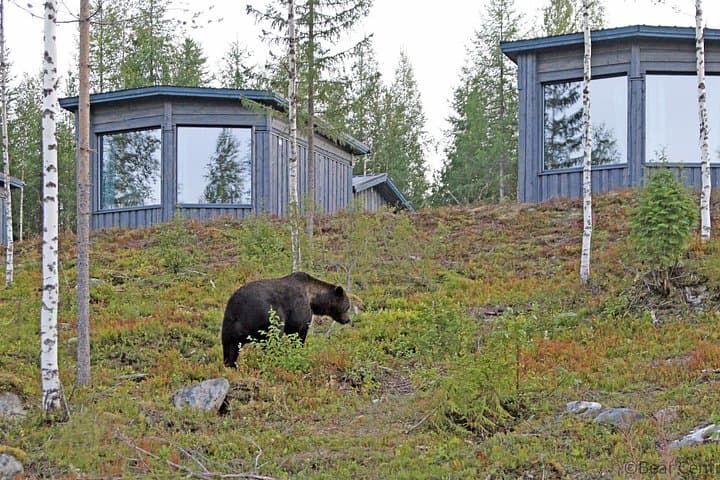
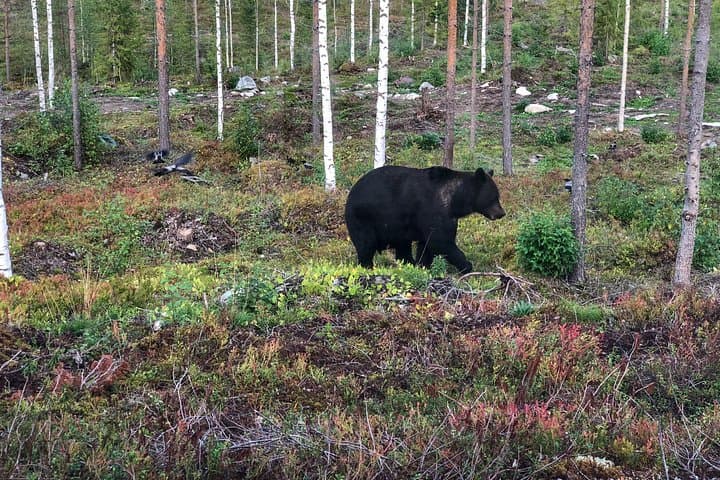
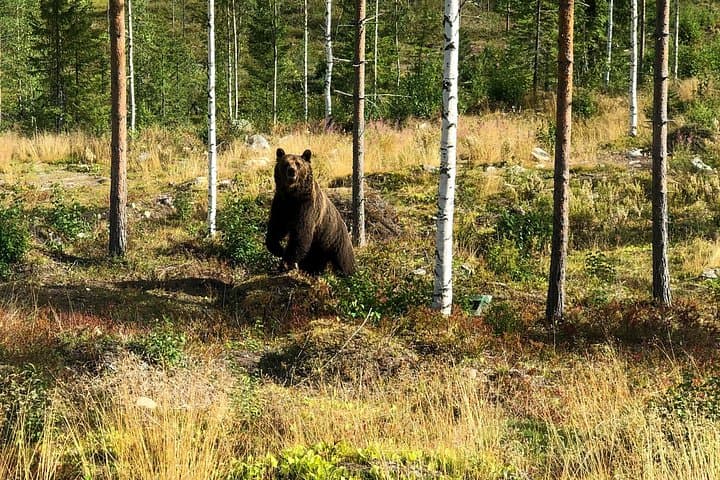
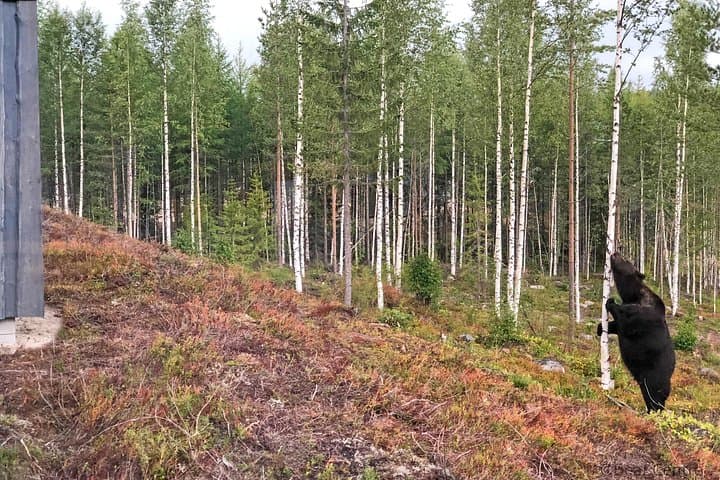
Dawn slips across a frozen palsa and the cabin’s wide window becomes a theater: a brown back moves through birch trunks, the bear’s breath fogging the glass. Inside, the light of a single lamp and the distant creak of pine set a quiet frame — you watch animals on their own terms while modern comforts keep you warm.
Dawn slips across a frozen palsa and the cabin’s wide window becomes a theater: a brown back moves through birch trunks, the bear’s breath fogging the glass. Inside, the light of a single lamp and the distant creak of pine set a quiet frame — you watch animals on their own terms while modern comforts keep you warm.
This experience takes place in Finland’s boreal forest where glacial geology left lakes, ridges and peatlands that shape animal travel routes. Bears, long part of Sámi and Finnish folklore, follow ancient corridors between feeding grounds and den sites; wolves, wolverines and red foxes also pass through. The cabins are sited near regular feeding spots and constructed as double-glazed hides, offering safety and unobstructed views.
Expect minimal elevation, forest tracks, and a terrain of loamy soil, moss and lichen that can be soft underfoot after rain. Sightings vary by season: spring and autumn concentrate activity at feeding sites, summer brings dense understory and bird song, winter can reduce visible bear activity as most bears den. Operators emphasize patience, silence and respect.
Practical guidance: book well in advance for high-season months, bring layered clothing for dramatic temperature swings, and use optics with a modest telephoto rather than trying to approach animals. The cabins typically include a kitchenette, shower and toilet, and are designed for low-impact viewing. Leave no food outside, follow staff safety briefings, and plan transport to a remote access road — a 24-hour stay is common to increase sighting odds and soak in the landscape.
