THE ADVENTURE COLLECTIVE® · Independent discovery and booking for outdoor travel

A short luxury safari into Chitwan National Park delivers close wildlife encounters—jeep safaris, guided jungle walks and quiet Rapti River canoe rides—paired with local Tharu cultural visits. Ideal for travelers who want comfort without sacrificing authentic nature experiences.
A short luxury safari into Chitwan National Park delivers close wildlife encounters—jeep safaris, guided jungle walks and quiet Rapti River canoe rides—paired with local Tharu cultural visits. Ideal for travelers who want comfort without sacrificing authentic nature experiences.
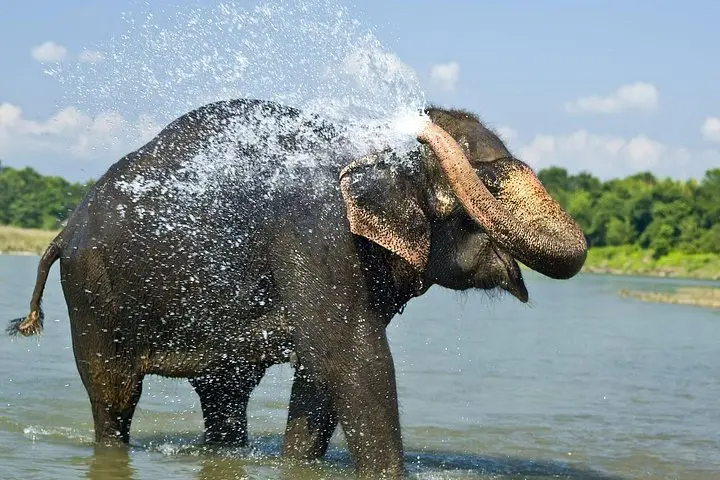
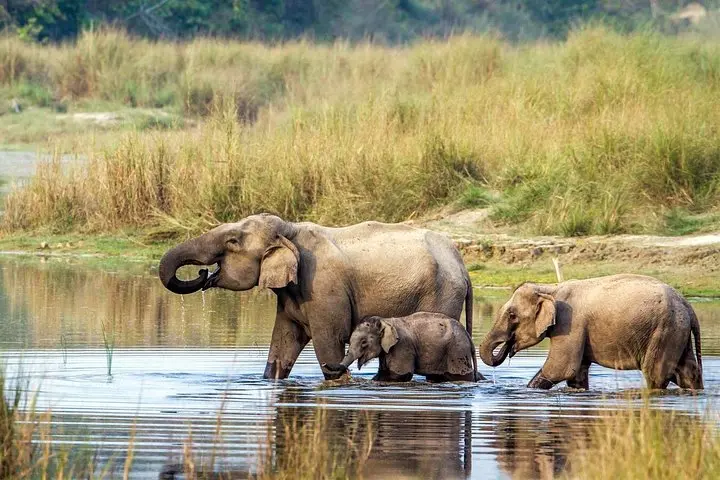
Dawn opens over the Rapti, mist lifting off slow-moving water as elephants wade and birds stitch the sky with fast arcs. On a luxury Chitwan jungle safari the atmosphere is close and immediate—flat grasslands break into dense sal forest, and every bend in the river can mean a fresh sighting.
Verified experiences and guided adventures in the surrounding area.
Operated by Vyas Treks & Expedition · Sauraha, Bagmati Province
Dawn opens over the Rapti, mist lifting off slow-moving water as elephants wade and birds stitch the sky with fast arcs. On a luxury Chitwan jungle safari the atmosphere is close and immediate—flat grasslands break into dense sal forest, and every bend in the river can mean a fresh sighting.
Chitwan National Park was Nepal’s first national park (established 1973) and later became a UNESCO World Heritage site for protecting lowland Terai ecosystems and their large mammals. Geology here is riverine floodplain: wide alluvial plains with seasonal channels, sandbanks and towering stands of sal and khair. Tharu culture remains visible in nearby villages—traditional stilted homes, rice paddies and seasonal festivals that celebrate the land’s rhythms.
Expect activity variety: guided jeep safaris across open grasslands, 1–3 km jungle walks on flat, sometimes muddy trails, and tranquil canoe rides on the Rapti that put you eye-to-eye with riverbank wildlife. Terrain is low-elevation and largely flat; elevation changes are negligible but footing can be uneven after rain.
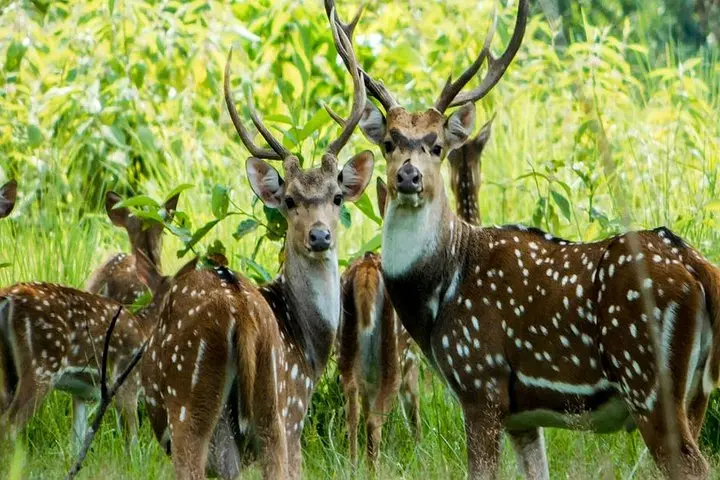
Practical guidance: travel light but bring layered clothing for cool mornings and hot afternoons, insect repellent and binoculars. Wildlife sightings—one-horned rhinos, deer, macaques and a host of birds—are rewarding but never guaranteed; guides read animal patterns and river bends to improve chances. Book morning and late-afternoon activities for the best light and activity, and respect park rules: keep distance, stay with guides, and avoid loud noises. This tour blends accessible comfort with real, often close encounters in one of South Asia’s most vital wild plains.
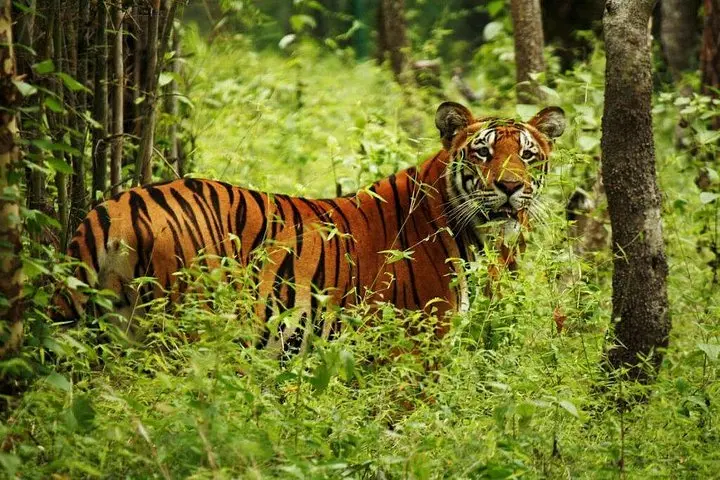
Tigers are present but elusive; sightings are rare. The best chances are with experienced guides, early-morning or evening drives, but no operator can guarantee a tiger encounter.
Yes—activities are paced and can be tailored; however, travelers with spinal or serious heart conditions should consult the operator because of jeep rides and uneven walking.
Dry months from October to April offer clearer trails and better wildlife visibility; monsoon (June–August) brings dense foliage and more mosquitoes, though birding can be good post-monsoon.
Most organized luxury packages include park entrance fees, local guides and selected activities—confirm inclusions at booking to avoid surprises.
Vyas Treks & Expedition operates guided outdoor trips and adventures with an emphasis on safety, stewardship, and memorable experiences.
Dawn opens over the Rapti, mist lifting off slow-moving water as elephants wade and birds stitch the sky with fast arcs. On a luxury Chitwan jungle safari the atmosphere is close and immediate—flat grasslands break into dense sal forest, and every bend in the river can mean a fresh sighting.
Dawn opens over the Rapti, mist lifting off slow-moving water as elephants wade and birds stitch the sky with fast arcs. On a luxury Chitwan jungle safari the atmosphere is close and immediate—flat grasslands break into dense sal forest, and every bend in the river can mean a fresh sighting.
Chitwan National Park was Nepal’s first national park (established 1973) and later became a UNESCO World Heritage site for protecting lowland Terai ecosystems and their large mammals. Geology here is riverine floodplain: wide alluvial plains with seasonal channels, sandbanks and towering stands of sal and khair. Tharu culture remains visible in nearby villages—traditional stilted homes, rice paddies and seasonal festivals that celebrate the land’s rhythms.
Expect activity variety: guided jeep safaris across open grasslands, 1–3 km jungle walks on flat, sometimes muddy trails, and tranquil canoe rides on the Rapti that put you eye-to-eye with riverbank wildlife. Terrain is low-elevation and largely flat; elevation changes are negligible but footing can be uneven after rain.
Practical guidance: travel light but bring layered clothing for cool mornings and hot afternoons, insect repellent and binoculars. Wildlife sightings—one-horned rhinos, deer, macaques and a host of birds—are rewarding but never guaranteed; guides read animal patterns and river bends to improve chances. Book morning and late-afternoon activities for the best light and activity, and respect park rules: keep distance, stay with guides, and avoid loud noises. This tour blends accessible comfort with real, often close encounters in one of South Asia’s most vital wild plains.