THE ADVENTURE COLLECTIVE® · Independent discovery and booking for outdoor travel

A private six-day tour linking Delhi, Agra and Jaipur with stays at Oberoi hotels. Expect guided visits to the Taj Mahal, Agra Fort, Amber Fort and key New Delhi monuments, luxury transport and insider local guides.
A private six-day tour linking Delhi, Agra and Jaipur with stays at Oberoi hotels. Expect guided visits to the Taj Mahal, Agra Fort, Amber Fort and key New Delhi monuments, luxury transport and insider local guides.
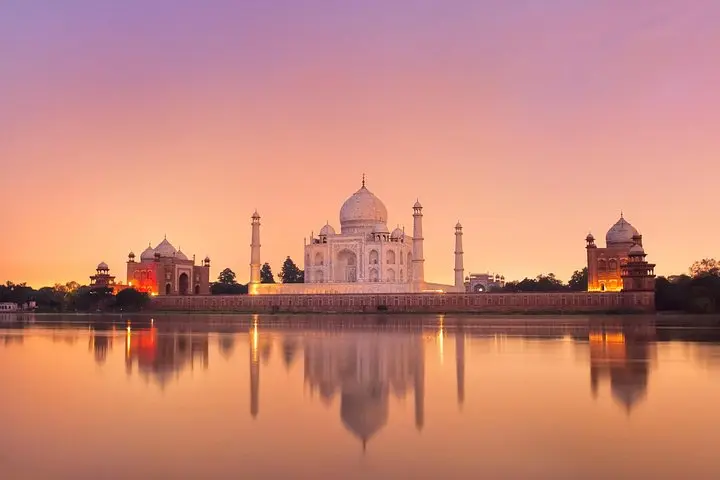
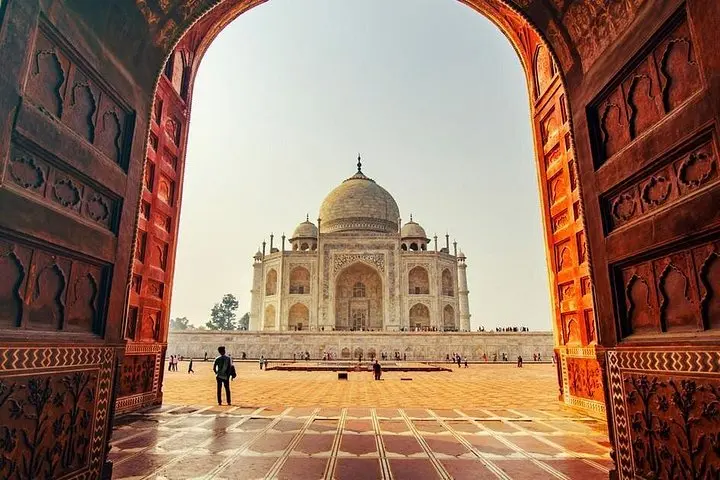
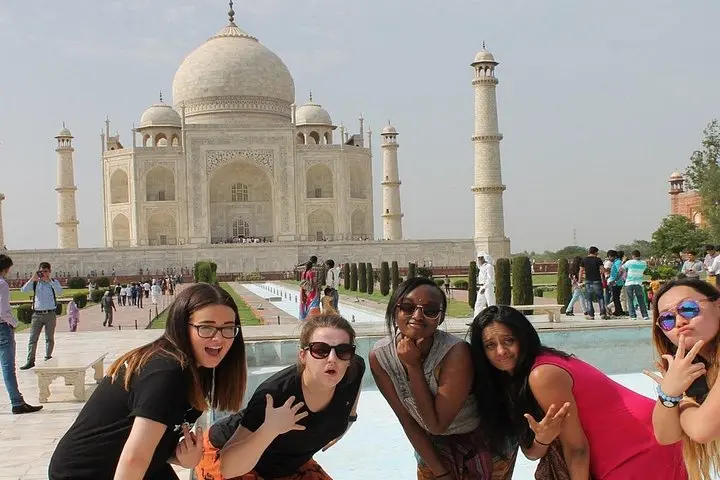
You step out of New Delhi’s humid evening into the hush of a private Oberoi lobby — polished marble under soft light — and the city’s pulse eases into the background. Over six days the itinerary threads through imperial avenues, riverfront palaces and desert forts: Delhi’s ceremonial Rajpath and crowded alleys of Old Delhi; Agra’s gleaming white mausoleum beside the Yamuna; Jaipur’s honey-colored ramparts rising from scrubland.
Verified experiences and guided adventures in the surrounding area.
Operated by Castle And king · New Delhi, Delhi
You step out of New Delhi’s humid evening into the hush of a private Oberoi lobby — polished marble under soft light — and the city’s pulse eases into the background. Over six days the itinerary threads through imperial avenues, riverfront palaces and desert forts: Delhi’s ceremonial Rajpath and crowded alleys of Old Delhi; Agra’s gleaming white mausoleum beside the Yamuna; Jaipur’s honey-colored ramparts rising from scrubland.
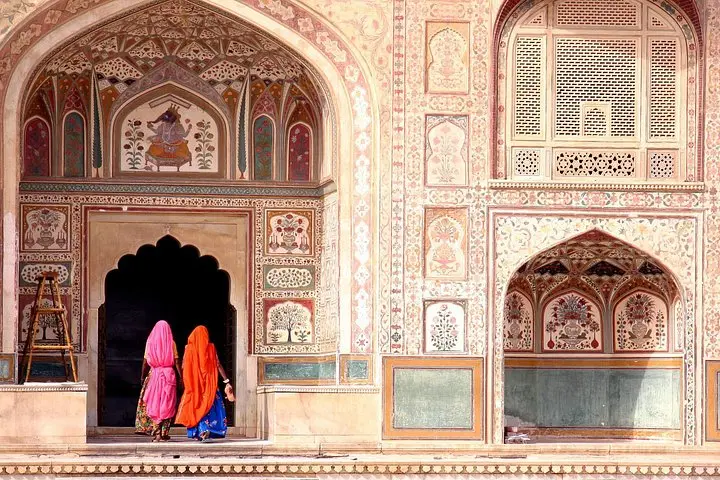
This route traces Mughal and Rajput history: emperors who built mausoleums and forts, and later royal courts that shaped Rajasthan’s city palaces. Geology here is obvious — the alluvial plains of the Ganges system around Agra give way westward to the low Aravalli rise near Jaipur, where sandstone and marble define façades and craft traditions.
Culturally the trio is tactile: bazaars selling block-printed textiles and marble inlay, temples and mosques where dress codes and quiet respect matter, and kitchen aromas that shift from Delhi’s street spices to Rajasthani dals and Agra’s sweet petha.
Practical guidance: plan dawn visits to the Taj Mahal for cooler light and smaller crowds; bring a lightweight layer for air-conditioned cars and cool evenings in winter; carry local currency for small purchases; and pack comfortable walking shoes — many monuments have uneven surfaces and steps. The tour is chauffeur-driven with guided walks, so fitness needs are low but expect several short walks and stair climbs.
This itinerary suits travelers who want a polished, low-hassle way to read India’s imperial chapters while staying in high-comfort hotels and relying on local guides to open doors and histories.
Visit at sunrise for the best light and fewer crowds; the monument is closed on Fridays and has seasonal opening-hour changes.
Major sites provide some accessibility, but older monuments include steps and uneven paths—confirm specifics with your operator if mobility assistance is needed.
Tipping is customary; a modest tip for guides and drivers at the end of each day is appreciated and common practice.
Transfers are by private, air-conditioned vehicle with professional drivers; standard precautions apply—secure belongings and follow guide advice.
Castle And king operates guided outdoor trips and adventures with an emphasis on safety, stewardship, and memorable experiences.
You step out of New Delhi’s humid evening into the hush of a private Oberoi lobby — polished marble under soft light — and the city’s pulse eases into the background. Over six days the itinerary threads through imperial avenues, riverfront palaces and desert forts: Delhi’s ceremonial Rajpath and crowded alleys of Old Delhi; Agra’s gleaming white mausoleum beside the Yamuna; Jaipur’s honey-colored ramparts rising from scrubland.
You step out of New Delhi’s humid evening into the hush of a private Oberoi lobby — polished marble under soft light — and the city’s pulse eases into the background. Over six days the itinerary threads through imperial avenues, riverfront palaces and desert forts: Delhi’s ceremonial Rajpath and crowded alleys of Old Delhi; Agra’s gleaming white mausoleum beside the Yamuna; Jaipur’s honey-colored ramparts rising from scrubland.
This route traces Mughal and Rajput history: emperors who built mausoleums and forts, and later royal courts that shaped Rajasthan’s city palaces. Geology here is obvious — the alluvial plains of the Ganges system around Agra give way westward to the low Aravalli rise near Jaipur, where sandstone and marble define façades and craft traditions.
Culturally the trio is tactile: bazaars selling block-printed textiles and marble inlay, temples and mosques where dress codes and quiet respect matter, and kitchen aromas that shift from Delhi’s street spices to Rajasthani dals and Agra’s sweet petha.
Practical guidance: plan dawn visits to the Taj Mahal for cooler light and smaller crowds; bring a lightweight layer for air-conditioned cars and cool evenings in winter; carry local currency for small purchases; and pack comfortable walking shoes — many monuments have uneven surfaces and steps. The tour is chauffeur-driven with guided walks, so fitness needs are low but expect several short walks and stair climbs.
This itinerary suits travelers who want a polished, low-hassle way to read India’s imperial chapters while staying in high-comfort hotels and relying on local guides to open doors and histories.