THE ADVENTURE COLLECTIVE® · Independent discovery and booking for outdoor travel

A compact luxury circuit through the Dong Van Karst Plateau—homestays, Ma Pi Leng views, a Nho Que boat trip, and intimate ethnic markets—ideal for travellers who want dramatic geology paired with cultural immersion.
A compact luxury circuit through the Dong Van Karst Plateau—homestays, Ma Pi Leng views, a Nho Que boat trip, and intimate ethnic markets—ideal for travellers who want dramatic geology paired with cultural immersion.
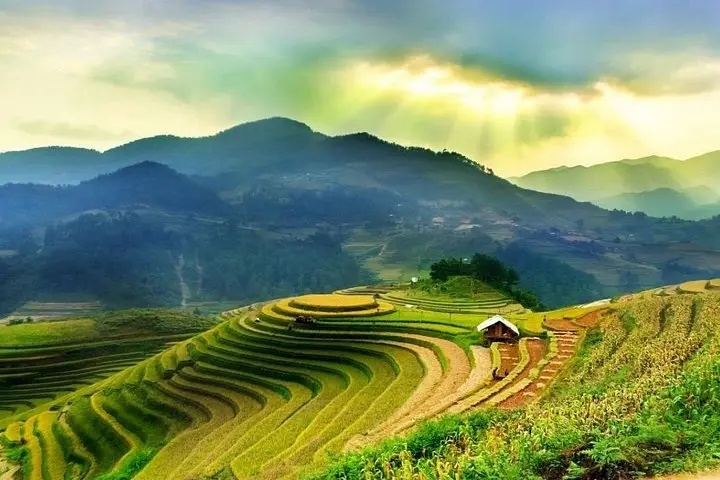
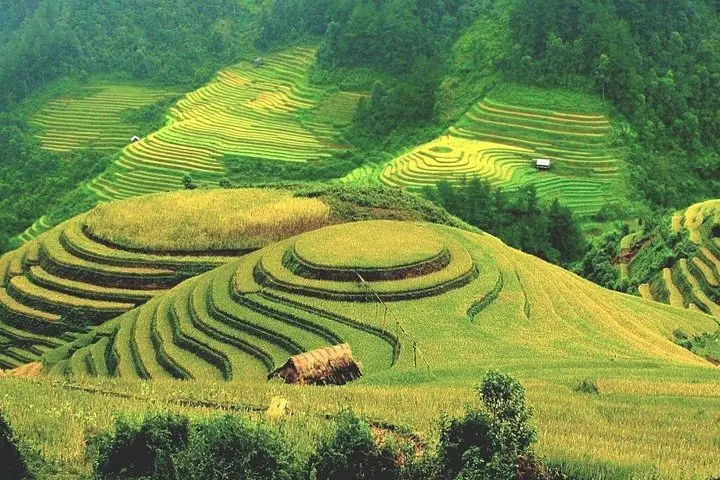
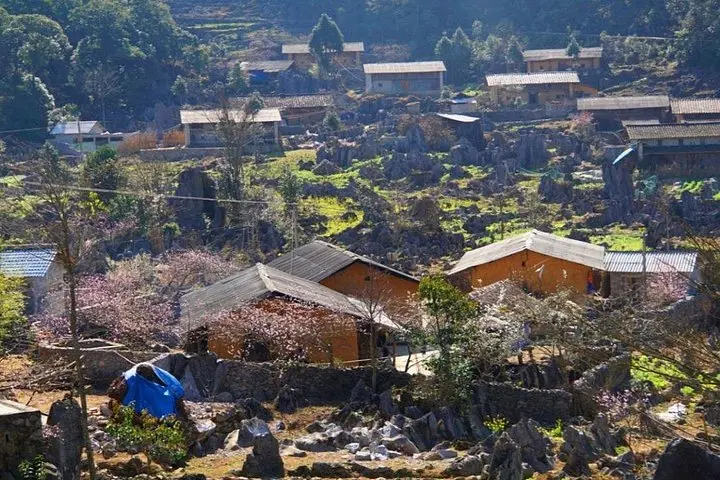
You arrive before dawn on a quiet stretch of road, the limousine's taillights swallowed by a mountain silhouette. The air is thinner here—cooler, sharper—with terraces and limestone ribs unfolding like pages. By midmorning the Dong Van Karst Plateau opens: jagged karst towers, a river snaking far below, villages of slate roofs and smoke.
Verified experiences and guided adventures in the surrounding area.
Operated by Vietnam Explorer · Ha Giang, Ha Giang Province
You arrive before dawn on a quiet stretch of road, the limousine's taillights swallowed by a mountain silhouette. The air is thinner here—cooler, sharper—with terraces and limestone ribs unfolding like pages. By midmorning the Dong Van Karst Plateau opens: jagged karst towers, a river snaking far below, villages of slate roofs and smoke.
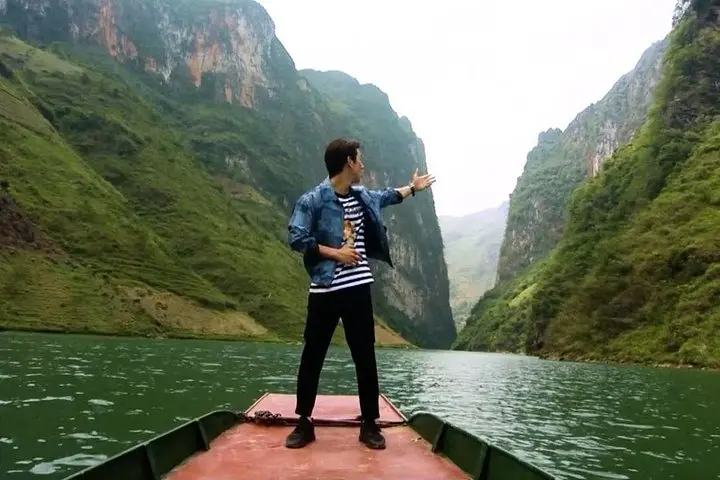
This route follows centuries of human habitation and tectonic history. The karst plateau formed from uplifted limestone, carved by rain and time into steep passes and the dramatic Ma Pi Leng canyon that channels the Nho Que River. Ethnically diverse communities—H’Mong, Dzao, Tay—have farmed these highlands for generations; markets in Dong Van still trade textiles and hill-grown produce.
Expect a balance of slow cultural immersion and active exposure to landscape: homestays in Ha Giang and Du Gia, short hikes including the 3-hour Ma Pi Leng sky path, and an optional 6 km Nho Que boat trip. Roads are mountainous—daily driving segments range from 60–300 km, with passes near 1,200–1,700 m elevation—so motion comfort and good rest matter.
Practical edge: pack layered clothing for cool nights and sunlit afternoons, a waterproof shell for sudden mountain rain, and cash for village markets. Hydrate for altitude shifts, wear sturdy shoes for uneven trails, and leave gifts or respectful questions—photography etiquette matters. The trip is best in late spring to autumn for stable roads; winter can be raw and fogged. With moderate fitness and cultural curiosity, this circuit delivers dramatic geology, intimate homestays, and a clear-eyed look at Vietnam’s northern highlands.
Hikes are generally short to moderate—expect a 3-hour sky path at Ma Pi Leng and village walks; steep sections are short but can be uneven.
The itinerary lists an optional 6 km boat trip; boats are guided and suitable for non-swimmers if you stay seated and follow crew safety instructions.
Homestays are simple but comfortable—private or shared rooms with basic facilities, traditional meals, and warm local hospitality; bring small cash for extras.
Not recommended for travelers with spinal or serious heart conditions; long drives and some uneven walking make it better for older children with good stamina.
Vietnam Explorer operates guided outdoor trips and adventures with an emphasis on safety, stewardship, and memorable experiences.
You arrive before dawn on a quiet stretch of road, the limousine's taillights swallowed by a mountain silhouette. The air is thinner here—cooler, sharper—with terraces and limestone ribs unfolding like pages. By midmorning the Dong Van Karst Plateau opens: jagged karst towers, a river snaking far below, villages of slate roofs and smoke.
You arrive before dawn on a quiet stretch of road, the limousine's taillights swallowed by a mountain silhouette. The air is thinner here—cooler, sharper—with terraces and limestone ribs unfolding like pages. By midmorning the Dong Van Karst Plateau opens: jagged karst towers, a river snaking far below, villages of slate roofs and smoke.
This route follows centuries of human habitation and tectonic history. The karst plateau formed from uplifted limestone, carved by rain and time into steep passes and the dramatic Ma Pi Leng canyon that channels the Nho Que River. Ethnically diverse communities—H’Mong, Dzao, Tay—have farmed these highlands for generations; markets in Dong Van still trade textiles and hill-grown produce.
Expect a balance of slow cultural immersion and active exposure to landscape: homestays in Ha Giang and Du Gia, short hikes including the 3-hour Ma Pi Leng sky path, and an optional 6 km Nho Que boat trip. Roads are mountainous—daily driving segments range from 60–300 km, with passes near 1,200–1,700 m elevation—so motion comfort and good rest matter.
Practical edge: pack layered clothing for cool nights and sunlit afternoons, a waterproof shell for sudden mountain rain, and cash for village markets. Hydrate for altitude shifts, wear sturdy shoes for uneven trails, and leave gifts or respectful questions—photography etiquette matters. The trip is best in late spring to autumn for stable roads; winter can be raw and fogged. With moderate fitness and cultural curiosity, this circuit delivers dramatic geology, intimate homestays, and a clear-eyed look at Vietnam’s northern highlands.