THE ADVENTURE COLLECTIVE® · Independent discovery and booking for outdoor travel

Leave Hanoi before dawn and arrive where karst towers frame emerald rice paddies. This full-day luxury tour mixes scenic drives, a guided cave visit, and a gentle countryside bike ride through Thai minority villages—ideal for travelers who want a high-comfort, culturally rich escape.
Leave Hanoi before dawn and arrive where karst towers frame emerald rice paddies. This full-day luxury tour mixes scenic drives, a guided cave visit, and a gentle countryside bike ride through Thai minority villages—ideal for travelers who want a high-comfort, culturally rich escape.
The road out of Hanoi unspools through rice paddies and then climbs into a pocket of limestone mountains. By 09:30 the limousine van eases onto the shoulder at Thung Khe Pass and the valley opens: stony ridges guarding wide, green bowls of rice. The air is cooler here; wind sweeps through needle-like karst towers and carries the call of distant roosters. In a day that folds driving, walking and cycling into one circuit, Mai Chau reveals itself in layers—scenic passes, a cavern hollowed by water, and villages where handicraft remains a daily craft.
Verified experiences and guided adventures in the surrounding area.
Operated by Authentic SAPA · Mai Chau, Hoa Binh
The road out of Hanoi unspools through rice paddies and then climbs into a pocket of limestone mountains. By 09:30 the limousine van eases onto the shoulder at Thung Khe Pass and the valley opens: stony ridges guarding wide, green bowls of rice. The air is cooler here; wind sweeps through needle-like karst towers and carries the call of distant roosters. In a day that folds driving, walking and cycling into one circuit, Mai Chau reveals itself in layers—scenic passes, a cavern hollowed by water, and villages where handicraft remains a daily craft.
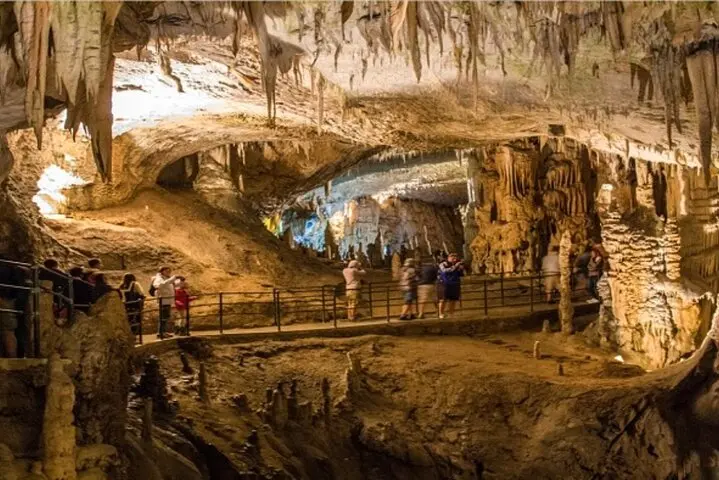
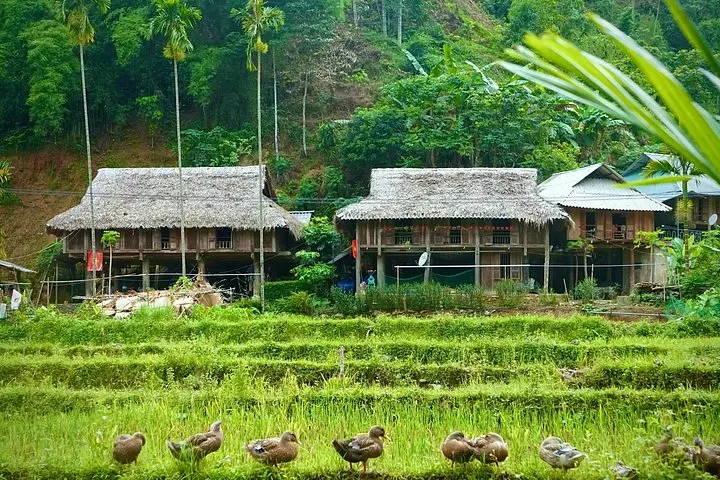
Historically this corner of Hoa Binh sits on the edge of northern Vietnam’s uplands, where Thai minority communities have farmed steep terraces for centuries. The region’s geology is dominated by Jurassic limestone; the karst was carved by rivers and rain over millions of years to create caves such as Mo Luong (locally called Hang Bộ Đội). The cave’s stalactites and columns tell a slow story of mineral-rich water building crystal curtains drip by drip. Culturally, Mai Chau remains one of the best places to see traditional stilt houses, hand-woven textiles and communal rice cultivation up close.
The itinerary is pragmatic: a roughly 2–3 hour drive from Hanoi to Thung Khe, a short overlook stop, then into the Mai Chau valley to explore Mo Luong Cave and meet local families. The cycling portion is designed for accessibility—10–15 km on quiet rural lanes that weave among rice paddies and gentle rises, not technical singletrack. Riders should expect a few short climbs and rutted pavement; the reward is uninterrupted views of limestone spires and farmers at work.
Practical edge: bring a compact daypack, a refillable water bottle (three bottles are included but refill to reduce plastic), and shoes with a grippy sole for both cave floors and bike pedals. Plan to spend a few hours outdoors; sun and afternoon showers are both possible. Guides typically provide helmets and good-quality hybrid bikes, and lunch centers on local Vietnamese dishes—light, fresh and energy-restoring.
For photographers, the pass and valley deliver best late morning through golden hour; the cave needs a steady hand or tripod for low-light shots. Respect local customs during village visits: ask before photographing people, support artisans by buying directly, and stay on paths to protect rice seedlings.
This is a full day that balances movement and moments of stillness—driving through dramatic passes, standing under cave chambers that feel older than memory, and cycling through a living landscape where daily life continues with a quiet insistence. For travelers based in Hanoi seeking a single-day immersion into northwest Vietnam, this trip is a compact, well-paced introduction.
Expect about 2–3 hours each way depending on traffic; the tour includes comfortable limousine mini-van transfers.
Yes — the route is low-traffic rural road with short climbs; basic cycling ability is sufficient.
Yes. The operator provides high-quality sports bikes and helmets; bring your own if you prefer personal fit.
Yes — the tour can handle vegetarian, vegan and gluten-free requests if indicated at booking.
No — cave visit involves walking on uneven but generally accessible paths; watch your head in low sections and wear non-slip shoes.
Children who can ride a bike reliably or sit through the drive are fine; check with the operator for child bike availability.
Authentic SAPA operates guided outdoor trips and adventures with an emphasis on safety, stewardship, and memorable experiences.

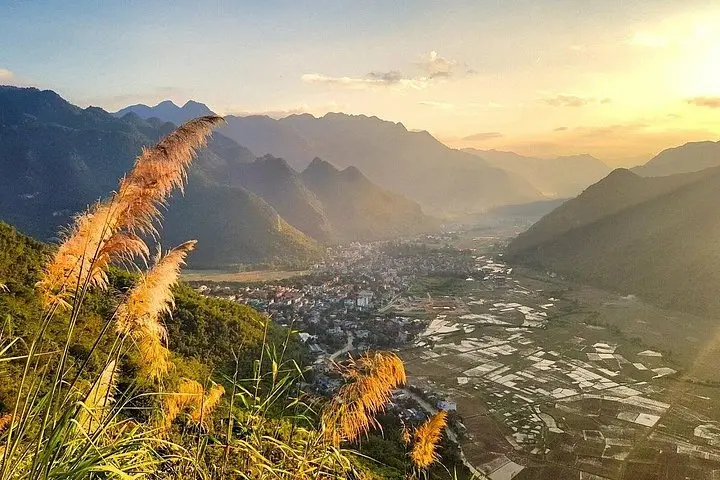
The road out of Hanoi unspools through rice paddies and then climbs into a pocket of limestone mountains. By 09:30 the limousine van eases onto the shoulder at Thung Khe Pass and the valley opens: stony ridges guarding wide, green bowls of rice. The air is cooler here; wind sweeps through needle-like karst towers and carries the call of distant roosters. In a day that folds driving, walking and cycling into one circuit, Mai Chau reveals itself in layers—scenic passes, a cavern hollowed by water, and villages where handicraft remains a daily craft.
The road out of Hanoi unspools through rice paddies and then climbs into a pocket of limestone mountains. By 09:30 the limousine van eases onto the shoulder at Thung Khe Pass and the valley opens: stony ridges guarding wide, green bowls of rice. The air is cooler here; wind sweeps through needle-like karst towers and carries the call of distant roosters. In a day that folds driving, walking and cycling into one circuit, Mai Chau reveals itself in layers—scenic passes, a cavern hollowed by water, and villages where handicraft remains a daily craft.
Historically this corner of Hoa Binh sits on the edge of northern Vietnam’s uplands, where Thai minority communities have farmed steep terraces for centuries. The region’s geology is dominated by Jurassic limestone; the karst was carved by rivers and rain over millions of years to create caves such as Mo Luong (locally called Hang Bộ Đội). The cave’s stalactites and columns tell a slow story of mineral-rich water building crystal curtains drip by drip. Culturally, Mai Chau remains one of the best places to see traditional stilt houses, hand-woven textiles and communal rice cultivation up close.
The itinerary is pragmatic: a roughly 2–3 hour drive from Hanoi to Thung Khe, a short overlook stop, then into the Mai Chau valley to explore Mo Luong Cave and meet local families. The cycling portion is designed for accessibility—10–15 km on quiet rural lanes that weave among rice paddies and gentle rises, not technical singletrack. Riders should expect a few short climbs and rutted pavement; the reward is uninterrupted views of limestone spires and farmers at work.
Practical edge: bring a compact daypack, a refillable water bottle (three bottles are included but refill to reduce plastic), and shoes with a grippy sole for both cave floors and bike pedals. Plan to spend a few hours outdoors; sun and afternoon showers are both possible. Guides typically provide helmets and good-quality hybrid bikes, and lunch centers on local Vietnamese dishes—light, fresh and energy-restoring.
For photographers, the pass and valley deliver best late morning through golden hour; the cave needs a steady hand or tripod for low-light shots. Respect local customs during village visits: ask before photographing people, support artisans by buying directly, and stay on paths to protect rice seedlings.
This is a full day that balances movement and moments of stillness—driving through dramatic passes, standing under cave chambers that feel older than memory, and cycling through a living landscape where daily life continues with a quiet insistence. For travelers based in Hanoi seeking a single-day immersion into northwest Vietnam, this trip is a compact, well-paced introduction.