THE ADVENTURE COLLECTIVE® · Independent discovery and booking for outdoor travel

Sail five days from Luxor to Aswan on a private luxury cruise that pairs guided archaeology with relaxed river passage. Visit Karnak, the Valley of the Kings, Edfu and Philae while enjoying gourmet meals, private transfers and an English-speaking Egyptologist.
Sail five days from Luxor to Aswan on a private luxury cruise that pairs guided archaeology with relaxed river passage. Visit Karnak, the Valley of the Kings, Edfu and Philae while enjoying gourmet meals, private transfers and an English-speaking Egyptologist.
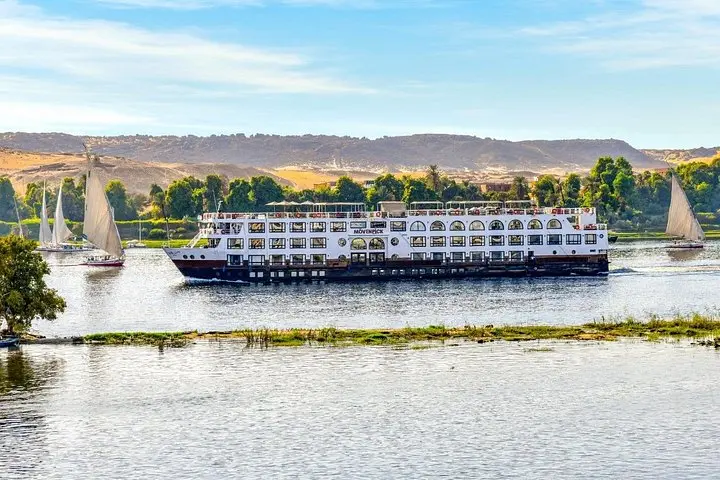
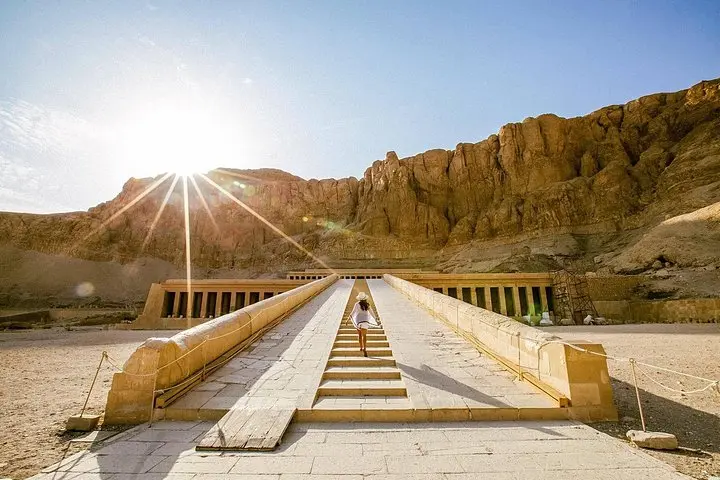
The Nile slides by like a slow, patient companion, daring you to look away as feluccas thread the current and temple pylons puncture the horizon. Board at Luxor and the city’s dawn light falls across the Great Hypostyle Hall; by evening you’re on deck watching the river lift the sun off distant sand. The itinerary moves deliberately: Karnak and Luxor Temples on the East Bank, the Valley of the Kings and Hatshepsut’s terraces on the West, then Edfu’s Temple of Horus and Kom Ombo’s twin sanctuaries before Aswan’s High Dam and Philae.
Verified experiences and guided adventures in the surrounding area.
Operated by Journey To Egypt · Luxor, Luxor Governorate
The Nile slides by like a slow, patient companion, daring you to look away as feluccas thread the current and temple pylons puncture the horizon. Board at Luxor and the city’s dawn light falls across the Great Hypostyle Hall; by evening you’re on deck watching the river lift the sun off distant sand. The itinerary moves deliberately: Karnak and Luxor Temples on the East Bank, the Valley of the Kings and Hatshepsut’s terraces on the West, then Edfu’s Temple of Horus and Kom Ombo’s twin sanctuaries before Aswan’s High Dam and Philae.
This stretch of the Nile is the physical spine of ancient Egypt — fertile floodplain overlying millennia of silt, with monuments built of local sandstone and granite quarried upriver. Culturally, you’ll encounter living Nubian communities around Aswan and the layered influences of Pharaonic, Ptolemaic and Roman rule in carved reliefs and shrine layouts.
Practically, this is a relaxed, low-impact way to cover long distances while walking several hours each day at archaeological sites. Expect cobbled approaches, stepped temple entrances and hot, dry afternoons; a private Egyptologist will handle context and skip-the-line logistics, while the crew manages transfers and meals.
Bring sun protection, comfortable closed shoes for tombs, and a reusable water bottle to refill between stops. Time your temple visits for early morning or late afternoon light to avoid the heat and get the best photography. Respect site rules — no flash in tombs and avoid touching painted reliefs — and leave extra time for market visits and short felucca sails that reveal quieter river life.
Most nationalities require a visa for Egypt; obtain one in advance or on arrival where eligible—check current Egyptian consular guidance before travel.
The ship offers relaxed transit, but many temple and tomb sites require climbing steps and walking on uneven ground; discuss specific needs with the operator in advance for possible accommodations.
The tour includes guided visits listed in the itinerary but check your booking details for specific admission inclusions; some optional sites may require extra fees.
Commercial Nile cruises are generally safe with experienced crews and private transfers; follow crew instructions, avoid swimming near the banks, and secure valuables.
Journey To Egypt operates guided outdoor trips and adventures with an emphasis on safety, stewardship, and memorable experiences.

The Nile slides by like a slow, patient companion, daring you to look away as feluccas thread the current and temple pylons puncture the horizon. Board at Luxor and the city’s dawn light falls across the Great Hypostyle Hall; by evening you’re on deck watching the river lift the sun off distant sand. The itinerary moves deliberately: Karnak and Luxor Temples on the East Bank, the Valley of the Kings and Hatshepsut’s terraces on the West, then Edfu’s Temple of Horus and Kom Ombo’s twin sanctuaries before Aswan’s High Dam and Philae.
The Nile slides by like a slow, patient companion, daring you to look away as feluccas thread the current and temple pylons puncture the horizon. Board at Luxor and the city’s dawn light falls across the Great Hypostyle Hall; by evening you’re on deck watching the river lift the sun off distant sand. The itinerary moves deliberately: Karnak and Luxor Temples on the East Bank, the Valley of the Kings and Hatshepsut’s terraces on the West, then Edfu’s Temple of Horus and Kom Ombo’s twin sanctuaries before Aswan’s High Dam and Philae.
This stretch of the Nile is the physical spine of ancient Egypt — fertile floodplain overlying millennia of silt, with monuments built of local sandstone and granite quarried upriver. Culturally, you’ll encounter living Nubian communities around Aswan and the layered influences of Pharaonic, Ptolemaic and Roman rule in carved reliefs and shrine layouts.
Practically, this is a relaxed, low-impact way to cover long distances while walking several hours each day at archaeological sites. Expect cobbled approaches, stepped temple entrances and hot, dry afternoons; a private Egyptologist will handle context and skip-the-line logistics, while the crew manages transfers and meals.
Bring sun protection, comfortable closed shoes for tombs, and a reusable water bottle to refill between stops. Time your temple visits for early morning or late afternoon light to avoid the heat and get the best photography. Respect site rules — no flash in tombs and avoid touching painted reliefs — and leave extra time for market visits and short felucca sails that reveal quieter river life.