THE ADVENTURE COLLECTIVE® · Independent discovery and booking for outdoor travel

Sail eight days from Luxor to Aswan aboard a luxury Nile vessel, moving between pharaonic temples, quiet felucca crossings and Nubian islands. This cruise pairs guided Egyptological tours with time to relax on sun decks and watch the river reshape the landscape.
Sail eight days from Luxor to Aswan aboard a luxury Nile vessel, moving between pharaonic temples, quiet felucca crossings and Nubian islands. This cruise pairs guided Egyptological tours with time to relax on sun decks and watch the river reshape the landscape.
Dawn breaks over the Nile and the ship slides off Luxor’s quay, the river pulling the boat and your attention downstream. Palm groves and mudbrick villages drift by as temple pylons and cliff-face tombs rise and fall like chapters in a story you’re on the verge of reading.
Verified experiences and guided adventures in the surrounding area.
Operated by Egypt Sunny Tours · Luxor, Luxor Governorate
Dawn breaks over the Nile and the ship slides off Luxor’s quay, the river pulling the boat and your attention downstream. Palm groves and mudbrick villages drift by as temple pylons and cliff-face tombs rise and fall like chapters in a story you’re on the verge of reading.
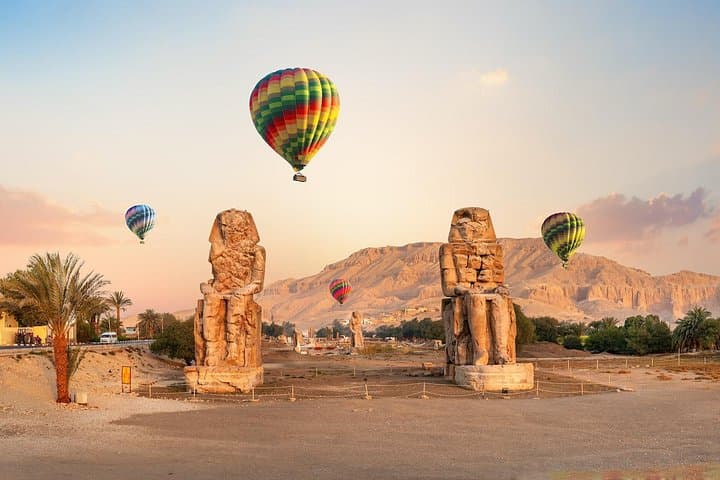
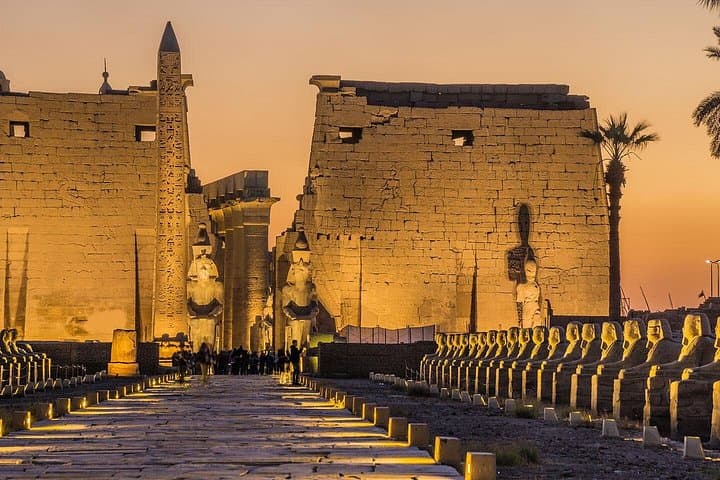
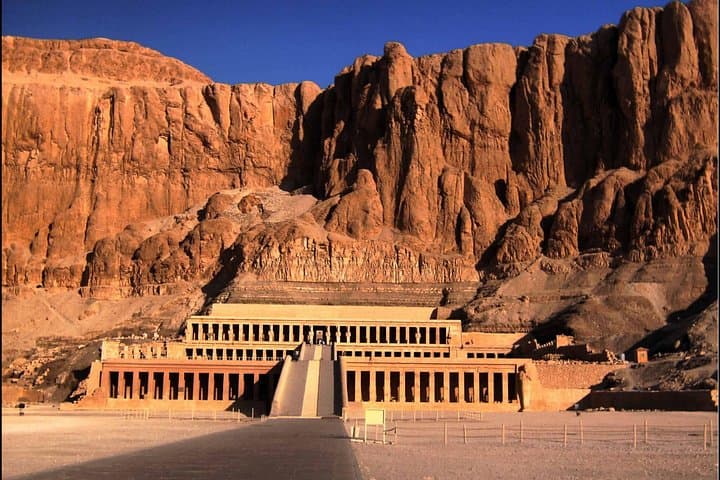
This eight-day passage threads together New Kingdom power — Karnak, Luxor Temple, the Valley of the Kings and Hatshepsut’s terraces — with Ptolemaic and Roman-era sites at Edfu and Kom Ombo, and the living culture of Aswan and its Nile islands. Geologically, the route follows Egypt’s narrow fertile ribbon between desert escarpments carved by millennia of Nile flow; you’ll notice softer floodplain silt near the banks and older limestone scarps marking the highlands.
Local life is visible at every bend: farmers tending date palms, feluccas tacking, and Nubian villages painted in bold color. Guides are Egyptologists who translate hieroglyphs into practical stories, and the high dam in Aswan illustrates the modern interventions that reshaped the river and region.
For planning: pack light layers for cool mornings and hot afternoons, bring sturdy shoes for archaeological sites, and carry a refillable water bottle — tap water on board is treated, but bottled water is standard ashore. Time excursions for the cooler early mornings or late afternoons to avoid peak heat and crowds. Respect dress customs at religious sites, tip porters and guides appropriately, and leave time on deck to watch the river dictate the pace — the Nile has its own rhythm, and the best moments arrive when you slow to match it.
Travelers usually need a tourist visa for Egypt and routine vaccinations; check current embassy guidance and health advisories well before travel.
The listing notes wheelchair accessibility, but some temple sites have steps and uneven terrain; contact the operator to confirm particular accessibility needs.
Yes — Abu Simbel is commonly offered as an optional full-day excursion by road or plane, but it requires an early start and additional time off the ship.
Breakfast, lunch and dinner are included; specialty drinks and off-boat meals may be extra—confirm details with the operator.
Egypt Sunny Tours operates guided outdoor trips and adventures with an emphasis on safety, stewardship, and memorable experiences.

Dawn breaks over the Nile and the ship slides off Luxor’s quay, the river pulling the boat and your attention downstream. Palm groves and mudbrick villages drift by as temple pylons and cliff-face tombs rise and fall like chapters in a story you’re on the verge of reading.
Dawn breaks over the Nile and the ship slides off Luxor’s quay, the river pulling the boat and your attention downstream. Palm groves and mudbrick villages drift by as temple pylons and cliff-face tombs rise and fall like chapters in a story you’re on the verge of reading.
This eight-day passage threads together New Kingdom power — Karnak, Luxor Temple, the Valley of the Kings and Hatshepsut’s terraces — with Ptolemaic and Roman-era sites at Edfu and Kom Ombo, and the living culture of Aswan and its Nile islands. Geologically, the route follows Egypt’s narrow fertile ribbon between desert escarpments carved by millennia of Nile flow; you’ll notice softer floodplain silt near the banks and older limestone scarps marking the highlands.
Local life is visible at every bend: farmers tending date palms, feluccas tacking, and Nubian villages painted in bold color. Guides are Egyptologists who translate hieroglyphs into practical stories, and the high dam in Aswan illustrates the modern interventions that reshaped the river and region.
For planning: pack light layers for cool mornings and hot afternoons, bring sturdy shoes for archaeological sites, and carry a refillable water bottle — tap water on board is treated, but bottled water is standard ashore. Time excursions for the cooler early mornings or late afternoons to avoid peak heat and crowds. Respect dress customs at religious sites, tip porters and guides appropriately, and leave time on deck to watch the river dictate the pace — the Nile has its own rhythm, and the best moments arrive when you slow to match it.