THE ADVENTURE COLLECTIVE® · Independent discovery and booking for outdoor travel

Move through centuries in a single afternoon: a private, guided tour of Khan el-Khalili that pairs luxury crafts with local expertise. Learn to bargain, sample perfumes and spices, and discover where Cairo’s artisans keep their best work.
Move through centuries in a single afternoon: a private, guided tour of Khan el-Khalili that pairs luxury crafts with local expertise. Learn to bargain, sample perfumes and spices, and discover where Cairo’s artisans keep their best work.
A cool morning light filters down the narrow alleys of Khan el-Khalili as lanterns and shop awnings cast patterned shadows across cobbled walkways. The guide leads the way—voice low, knowing—past overflowing spice jars that dare you to reach for saffron, and into workshops where silver is hammered into filigree that catches the sun.
Verified experiences and guided adventures in the surrounding area.
Operated by Egypt vibes tours · Cairo, Cairo
A cool morning light filters down the narrow alleys of Khan el-Khalili as lanterns and shop awnings cast patterned shadows across cobbled walkways. The guide leads the way—voice low, knowing—past overflowing spice jars that dare you to reach for saffron, and into workshops where silver is hammered into filigree that catches the sun.
Khan el-Khalili dates back to the Mamluk period of the 14th century and has been a commercial pulse for Cairo ever since. The bazaar grew around caravanserais and mosques; nearby Al-Moez Street and Al-Azhar evoke the same medieval urban fabric. Geology plays a quiet role here—the Nile’s alluvial plain shaped settlement and trade routes that brought goods from across the Mediterranean and Red Sea.
Culture is tactile: bargaining is expected, tea is a social contract, and craftsmen measure reputation in generations. Expect a curated route through perfume shops, Egyptian cotton textiles, papyrus art, silver workshops, and spice stalls—culminating with a pause at a historic café for mint tea.
Practical guidance: arrive early to avoid mid-day heat, carry small cash denominations for bargaining, and wear closed-toe walking shoes for uneven flagstones. The experience is accessible for most travelers, with short walking hops between shops and wheelchair-accessible options noted. Keep valuables discreet and bring a reusable bag for purchases. With a knowledgeable guide you gain context—how pieces were made, where materials originate, and which sellers are longstanding—turning shopping into a cultural exploration of Cairo’s living market.
Yes — the offering notes wheelchair accessible transportation and surfaces, though some historic alleyways can be narrow; the guide will choose accessible routes where possible.
The itinerary includes exterior visits to Al-Hussein and Al-Azhar Mosques; interior access depends on prayer times and dress codes, and may require separate permissions.
Many small vendors accept cash only; larger shops may accept cards, but bring local cash for most purchases and bargaining.
Allow extra time—negotiations can take several minutes per item; the guide can assist to speed the process and ensure fair pricing.
Egypt vibes tours operates guided outdoor trips and adventures with an emphasis on safety, stewardship, and memorable experiences.

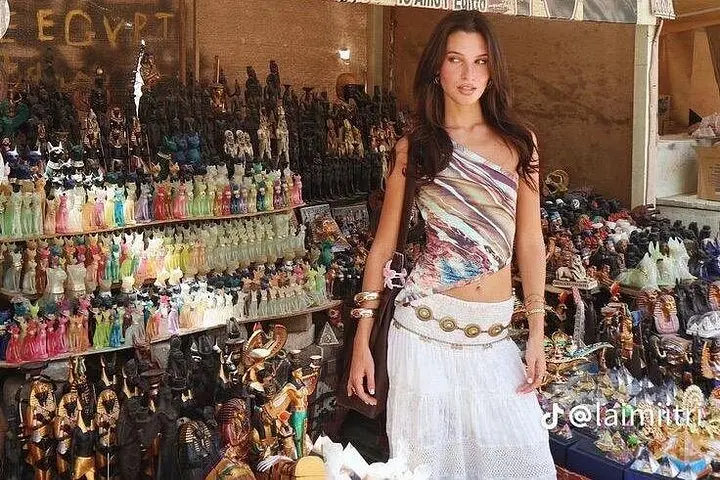

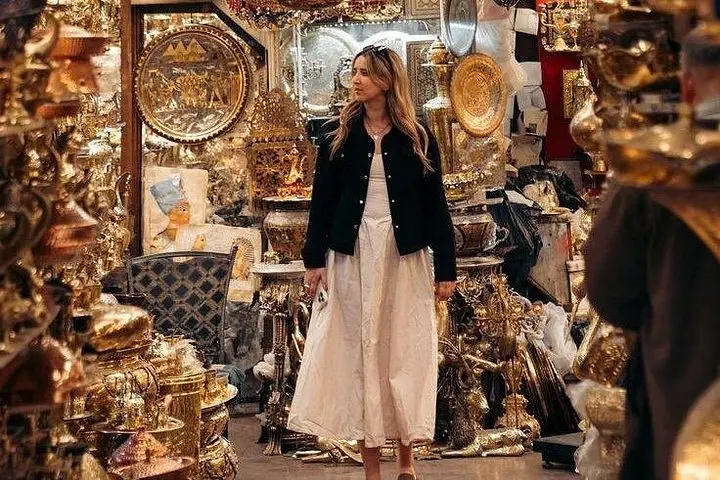
A cool morning light filters down the narrow alleys of Khan el-Khalili as lanterns and shop awnings cast patterned shadows across cobbled walkways. The guide leads the way—voice low, knowing—past overflowing spice jars that dare you to reach for saffron, and into workshops where silver is hammered into filigree that catches the sun.
A cool morning light filters down the narrow alleys of Khan el-Khalili as lanterns and shop awnings cast patterned shadows across cobbled walkways. The guide leads the way—voice low, knowing—past overflowing spice jars that dare you to reach for saffron, and into workshops where silver is hammered into filigree that catches the sun.
Khan el-Khalili dates back to the Mamluk period of the 14th century and has been a commercial pulse for Cairo ever since. The bazaar grew around caravanserais and mosques; nearby Al-Moez Street and Al-Azhar evoke the same medieval urban fabric. Geology plays a quiet role here—the Nile’s alluvial plain shaped settlement and trade routes that brought goods from across the Mediterranean and Red Sea.
Culture is tactile: bargaining is expected, tea is a social contract, and craftsmen measure reputation in generations. Expect a curated route through perfume shops, Egyptian cotton textiles, papyrus art, silver workshops, and spice stalls—culminating with a pause at a historic café for mint tea.
Practical guidance: arrive early to avoid mid-day heat, carry small cash denominations for bargaining, and wear closed-toe walking shoes for uneven flagstones. The experience is accessible for most travelers, with short walking hops between shops and wheelchair-accessible options noted. Keep valuables discreet and bring a reusable bag for purchases. With a knowledgeable guide you gain context—how pieces were made, where materials originate, and which sellers are longstanding—turning shopping into a cultural exploration of Cairo’s living market.