THE ADVENTURE COLLECTIVE® · Independent discovery and booking for outdoor travel

Watch sunset color the Erg Chebbi dunes, sleep under a well-appointed desert camp, and cross the High Atlas on this three-day route from Marrakech to Merzouga. Expect kasbahs, camel treks, and star-filled nights with comfortable logistics handled.
Watch sunset color the Erg Chebbi dunes, sleep under a well-appointed desert camp, and cross the High Atlas on this three-day route from Marrakech to Merzouga. Expect kasbahs, camel treks, and star-filled nights with comfortable logistics handled.
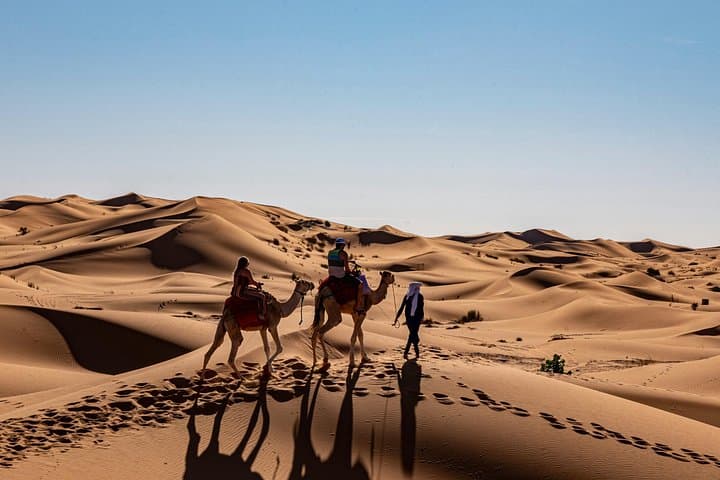
The sun slips low over Erg Chebbi and the dunes take on the slow burn of copper and gold — a camel train threads a thin, deliberate line across the horizon as you climb a crescent ridge to watch day turn to cold, star-heavy night.
Verified experiences and guided adventures in the surrounding area.
Operated by Planet of Morocco · Merzouga, Drâa-Tafilalet
The sun slips low over Erg Chebbi and the dunes take on the slow burn of copper and gold — a camel train threads a thin, deliberate line across the horizon as you climb a crescent ridge to watch day turn to cold, star-heavy night.
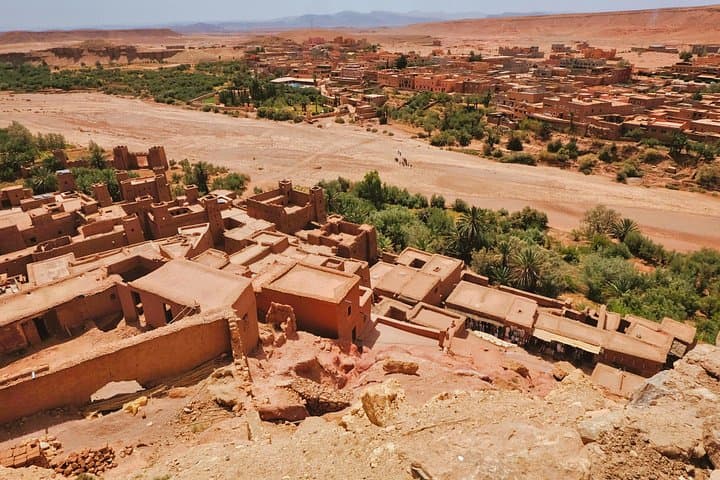
This three-day glamping route threads Marrakech to the eastern Sahara, crossing the High Atlas via the Tizi n’Tichka pass, skirting the fortified kasbahs of Aït Ben Haddou and Ouarzazate, then diving through the Todgha Gorge before arriving at Merzouga and the Erg Chebbi sand sea.
Geologically, Erg Chebbi is an active erg: wind-scoured ridges and mobile dunes built from millennia of eroded rock carried from the Atlas. Culturally, the region belongs to Berber and Saharan traditions — riads, kasbah fortresses, and nomad-led camps where tam tam rhythms mark evening gatherings.
Expect a mix of air-conditioned vehicle transfers, guided stops at heritage sites, a short camel ride at sunset or sunrise, and an equipped desert camp for the night with communal dining and music. Nights get cold; days can be intensely hot. Mobile coverage is patchy outside towns. Guides will handle most logistics but bring layers, sun protection, and patience for unpaved roads.
Practical timing: sunrise or sunset on the dunes is the priority photo window; schedule rests for midday heat. Hydrate before and during dune walks, secure loose items against sand, and keep valuables in your daypack. For anyone who wants drama with comfort, this itinerary delivers immersive desert terrain, historical viewpoints, and an overnight under the open Sahara sky.
No technical difficulty — most travel is by vehicle, with short camel rides and optional dune walks; average fitness is sufficient.
An equipped desert camp with beds or sleeping mats, communal dining, and basic tenting; standard glamping offers more comfort than traditional nomad camps.
Coverage is limited outside towns like Merzouga and Ouarzazate; expect spotty service in the dunes and plan offline preparations.
The tour includes two dinners and two breakfasts plus local hospitality in camps; lunch stops are usually at cafes or riads and may be at your own expense depending on the day.
Planet of Morocco operates guided outdoor trips and adventures with an emphasis on safety, stewardship, and memorable experiences.


The sun slips low over Erg Chebbi and the dunes take on the slow burn of copper and gold — a camel train threads a thin, deliberate line across the horizon as you climb a crescent ridge to watch day turn to cold, star-heavy night.
The sun slips low over Erg Chebbi and the dunes take on the slow burn of copper and gold — a camel train threads a thin, deliberate line across the horizon as you climb a crescent ridge to watch day turn to cold, star-heavy night.
This three-day glamping route threads Marrakech to the eastern Sahara, crossing the High Atlas via the Tizi n’Tichka pass, skirting the fortified kasbahs of Aït Ben Haddou and Ouarzazate, then diving through the Todgha Gorge before arriving at Merzouga and the Erg Chebbi sand sea.
Geologically, Erg Chebbi is an active erg: wind-scoured ridges and mobile dunes built from millennia of eroded rock carried from the Atlas. Culturally, the region belongs to Berber and Saharan traditions — riads, kasbah fortresses, and nomad-led camps where tam tam rhythms mark evening gatherings.
Expect a mix of air-conditioned vehicle transfers, guided stops at heritage sites, a short camel ride at sunset or sunrise, and an equipped desert camp for the night with communal dining and music. Nights get cold; days can be intensely hot. Mobile coverage is patchy outside towns. Guides will handle most logistics but bring layers, sun protection, and patience for unpaved roads.
Practical timing: sunrise or sunset on the dunes is the priority photo window; schedule rests for midday heat. Hydrate before and during dune walks, secure loose items against sand, and keep valuables in your daypack. For anyone who wants drama with comfort, this itinerary delivers immersive desert terrain, historical viewpoints, and an overnight under the open Sahara sky.