THE ADVENTURE COLLECTIVE® · Independent discovery and booking for outdoor travel

Set sail from Kralendijk to the protected moorings of Klein Bonaire for a three-hour luxury sail and snorkeling trip. Expect guided snorkeling, onboard snacks and drinks, and prime access to vibrant reefs protected by one of the Caribbean’s earliest marine parks.
Set sail from Kralendijk to the protected moorings of Klein Bonaire for a three-hour luxury sail and snorkeling trip. Expect guided snorkeling, onboard snacks and drinks, and prime access to vibrant reefs protected by one of the Caribbean’s earliest marine parks.
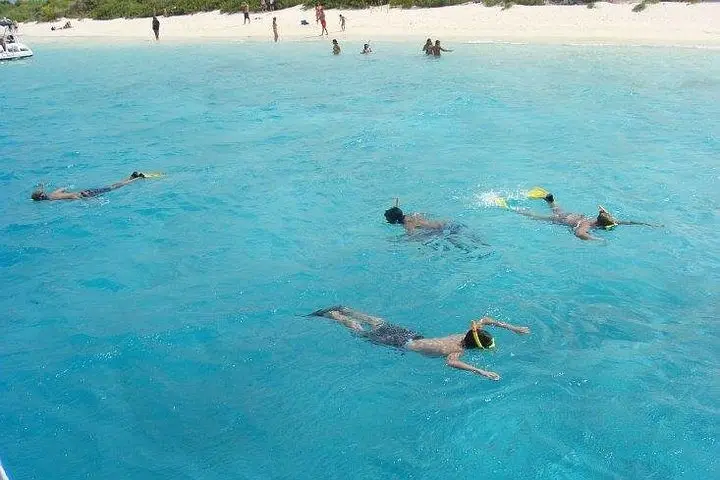
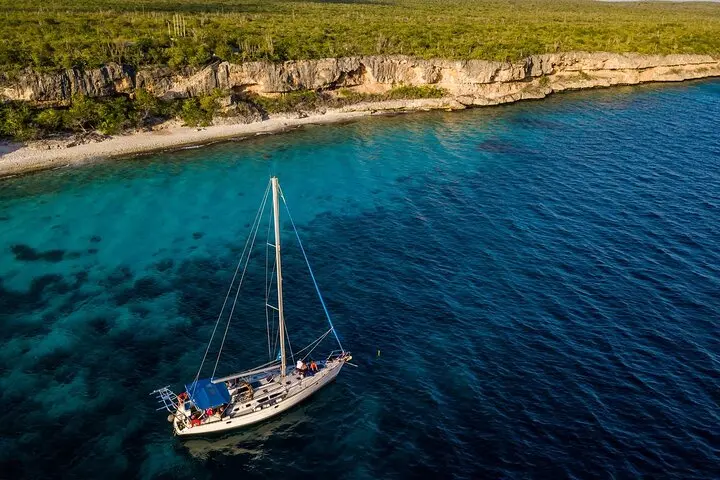
The catamaran eases out of Kralendijk harbor and the island shutters into a thin, sunlit line. Salt slicks off the deck and the wind gives a steady, conversational push; the captain lays out the simple rules and hands out welcome drinks as the mainland recedes. Within an hour the engine softens, the vessel anchors at one of the protected moorings between Bonaire and Klein Bonaire, and the reef becomes an invitation: blue-green water, fish that approach with the confidence of locals, and a living landscape full of color.
Verified experiences and guided adventures in the surrounding area.
Operated by Bonaij Adventure Tours · Kralendijk, Bonaire
The catamaran eases out of Kralendijk harbor and the island shutters into a thin, sunlit line. Salt slicks off the deck and the wind gives a steady, conversational push; the captain lays out the simple rules and hands out welcome drinks as the mainland recedes. Within an hour the engine softens, the vessel anchors at one of the protected moorings between Bonaire and Klein Bonaire, and the reef becomes an invitation: blue-green water, fish that approach with the confidence of locals, and a living landscape full of color.
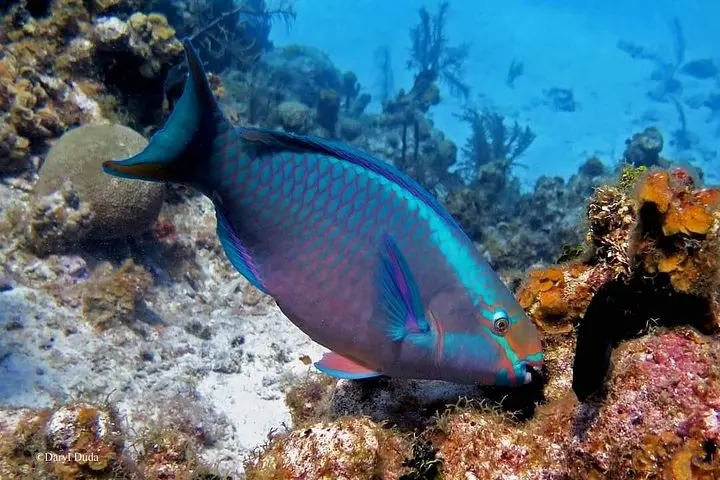
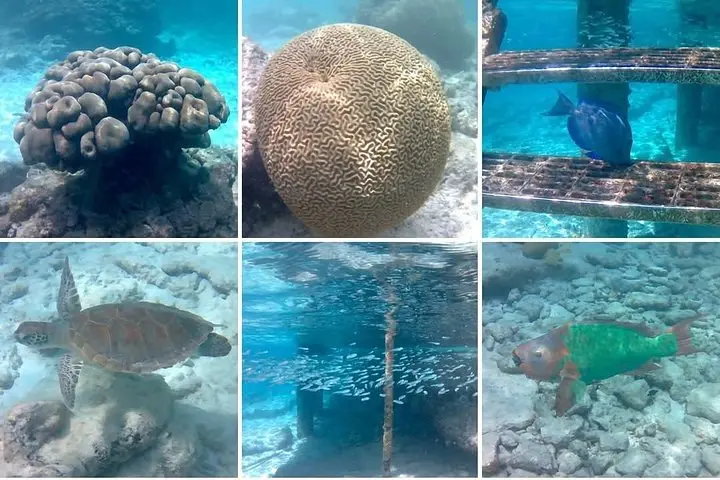
Bonaire’s coastline is a working coastline — salt pans, coral rubble, and a coastline defined by centuries of Dutch and Caribbean influence. The island’s marine protections date back to the late 1970s, when conservationists and local fishermen helped create one of the Caribbean’s earliest marine parks. Geologically, the shallow fringing reef and the small coral islets around Klein Bonaire are the result of ancient sea-level shifts and steady coral growth; today they support parrotfish chomping on algae and branching corals that shelter schools of wrasse.
Culturally, Kralendijk is compact and direct: pastel buildings, small cafes serving Indonesian-Dutch influenced dishes, and street vendors selling cold juices. The marine park fees and mooring buoys are part of a system built to keep divers and snorkelers off fragile coral heads — an old lesson on an island that lives off clear water.
Practicalities matter here. The trip is three hours from pier to pier, with roughly an hour-long sail, an hour at the mooring for snorkeling, and an hour to relax on the return. Snorkel sets and vests are provided and instructors will guide less experienced swimmers; however, a confident swimmer and basic snorkeling familiarity will make the visit richer. Expect warm, clear water year-round (roughly mid-70s–80s°F), a light trade-wind chop, and a no-shoe policy on deck — bring lightweight, easily stashed footwear for walking on the pier.
Timing is simple: mornings mean calmer water and clearer visibility; late afternoons offer more dramatic light on the sea and a quieter quay in Kralendijk afterward. Respect the reef — don’t touch or stand on coral, and use reef-safe sunscreen — and listen to the crew’s guidance when entering the water around moorings and buoys.
For travelers who want a compact, professional outing with comfort and a high ratio of water time to transit, this sail-and-snorkel trip balances ease and access. It’s a way to see Bonaire’s best reef without the logistics of a shore launch, and to return to Kralendijk ready to explore the town’s small restaurants, waterfront bars, and the relaxed rhythm of island life.
Yes — masks, snorkels, fins and life vests are provided, with basic instruction and assistance from the crew.
Absolutely — instructors offer guided assistance at the mooring; beginners should be comfortable in chest‑deep water and wear a vest.
Children are welcome but must meet the operator’s age and swimming requirements; check booking questions for specific age bands.
Bring over‑the‑counter motion sickness medication and sit mid‑vessel where motion is gentlest; inform staff if you’re prone to seasickness.
Yes — light snacks, soda and alcoholic beverages are listed as inclusions during the trip.
This trip is focused on snorkeling; for SCUBA options check local dive operators who run dedicated dive charters around Klein Bonaire.
Bonaij Adventure Tours operates guided outdoor trips and adventures with an emphasis on safety, stewardship, and memorable experiences.
The catamaran eases out of Kralendijk harbor and the island shutters into a thin, sunlit line. Salt slicks off the deck and the wind gives a steady, conversational push; the captain lays out the simple rules and hands out welcome drinks as the mainland recedes. Within an hour the engine softens, the vessel anchors at one of the protected moorings between Bonaire and Klein Bonaire, and the reef becomes an invitation: blue-green water, fish that approach with the confidence of locals, and a living landscape full of color.
The catamaran eases out of Kralendijk harbor and the island shutters into a thin, sunlit line. Salt slicks off the deck and the wind gives a steady, conversational push; the captain lays out the simple rules and hands out welcome drinks as the mainland recedes. Within an hour the engine softens, the vessel anchors at one of the protected moorings between Bonaire and Klein Bonaire, and the reef becomes an invitation: blue-green water, fish that approach with the confidence of locals, and a living landscape full of color.
Bonaire’s coastline is a working coastline — salt pans, coral rubble, and a coastline defined by centuries of Dutch and Caribbean influence. The island’s marine protections date back to the late 1970s, when conservationists and local fishermen helped create one of the Caribbean’s earliest marine parks. Geologically, the shallow fringing reef and the small coral islets around Klein Bonaire are the result of ancient sea-level shifts and steady coral growth; today they support parrotfish chomping on algae and branching corals that shelter schools of wrasse.
Culturally, Kralendijk is compact and direct: pastel buildings, small cafes serving Indonesian-Dutch influenced dishes, and street vendors selling cold juices. The marine park fees and mooring buoys are part of a system built to keep divers and snorkelers off fragile coral heads — an old lesson on an island that lives off clear water.
Practicalities matter here. The trip is three hours from pier to pier, with roughly an hour-long sail, an hour at the mooring for snorkeling, and an hour to relax on the return. Snorkel sets and vests are provided and instructors will guide less experienced swimmers; however, a confident swimmer and basic snorkeling familiarity will make the visit richer. Expect warm, clear water year-round (roughly mid-70s–80s°F), a light trade-wind chop, and a no-shoe policy on deck — bring lightweight, easily stashed footwear for walking on the pier.
Timing is simple: mornings mean calmer water and clearer visibility; late afternoons offer more dramatic light on the sea and a quieter quay in Kralendijk afterward. Respect the reef — don’t touch or stand on coral, and use reef-safe sunscreen — and listen to the crew’s guidance when entering the water around moorings and buoys.
For travelers who want a compact, professional outing with comfort and a high ratio of water time to transit, this sail-and-snorkel trip balances ease and access. It’s a way to see Bonaire’s best reef without the logistics of a shore launch, and to return to Kralendijk ready to explore the town’s small restaurants, waterfront bars, and the relaxed rhythm of island life.