THE ADVENTURE COLLECTIVE® · Independent discovery and booking for outdoor travel

Float above Luxor at first light for a panoramic view of the Nile Valley, Karnak and Luxor Temples, and irrigated fields below. This private, VIP balloon flight includes hotel pickup, expert pilot narration, and a commemorative certificate—ideal for photographers and early-risers.
Float above Luxor at first light for a panoramic view of the Nile Valley, Karnak and Luxor Temples, and irrigated fields below. This private, VIP balloon flight includes hotel pickup, expert pilot narration, and a commemorative certificate—ideal for photographers and early-risers.
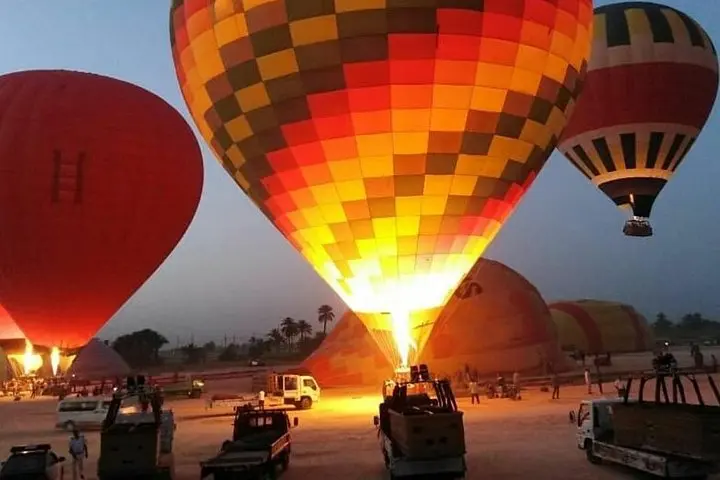
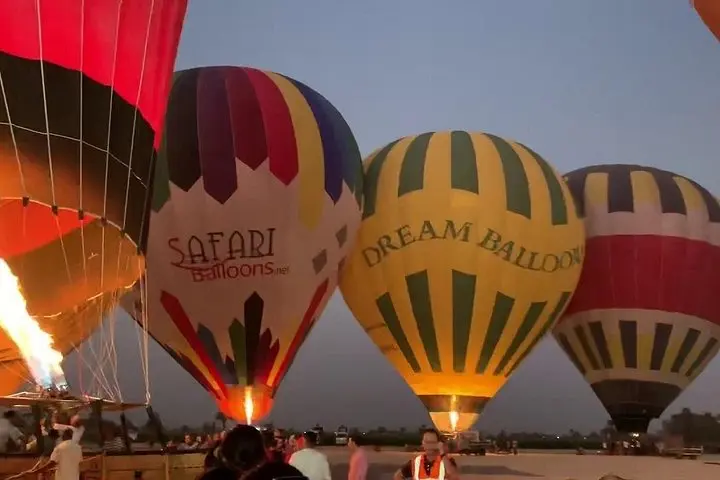
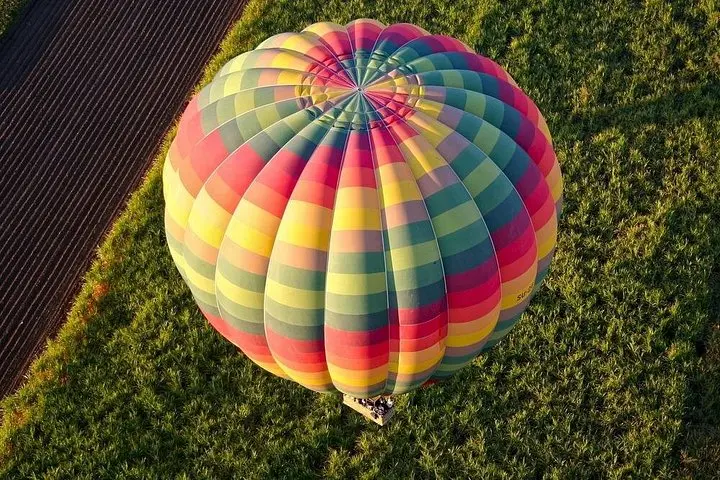
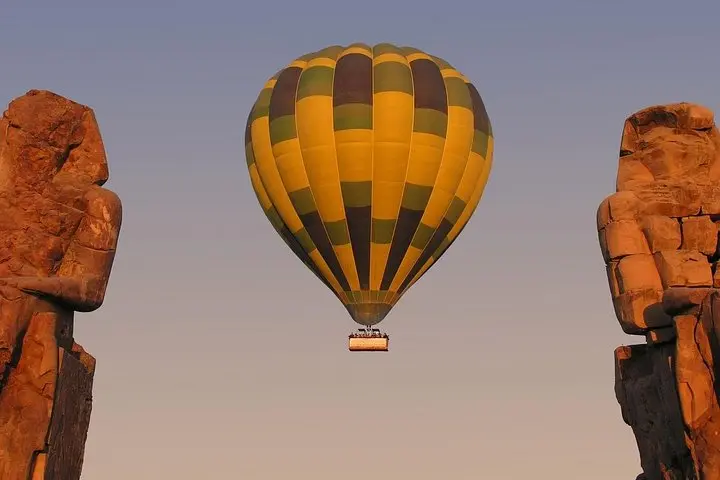
Before the burners cough to life, the desert holds its breath. From the basket the world slides open—ribbons of green paddy, the Nile’s slow gleam, the pale silhouettes of Karnak and Luxor Temples catching the first light. Balloons drift like slow ships over a bronze map of pharaonic ruins and modern fields.
Verified experiences and guided adventures in the surrounding area.
Operated by Saray El-Nile · Luxor, Luxor Governorate
Before the burners cough to life, the desert holds its breath. From the basket the world slides open—ribbons of green paddy, the Nile’s slow gleam, the pale silhouettes of Karnak and Luxor Temples catching the first light. Balloons drift like slow ships over a bronze map of pharaonic ruins and modern fields.
Luxor sits where the Nile carved a fertile corridor through the eastern desert, the ancient city of Thebes rising from millennia of human imprint. From above you read the landscape in layers: irrigated floodplain, lines of canals, and the flat, ochre desert beyond. The flight frames both history and geology; temples, tombs, and mortuary complexes reveal their grid to an eyewitness sky. Local culture still orients around the river’s rhythm—farmers, fishermen, and temple staff begin their day in that same golden hour.
Practically, the experience is compact and precise. Hotel pickup at dawn, a 40–60 minute tether-free flight, pilot narration, and a short celebration on landing before the return transfer. Expect early starts, cool-to-warm air in the span of an hour, and a gentle, steady motion rather than turbulence. Photography is the draw—bring a camera with a strap and fast settings for low light.
Safety is regulated: licensed pilots, routine briefings, and weather-dependent cancellations. Dress in layers, wear sturdy shoes for the soft-field landing, and carry water and any prescription meds. For photographers and curious travelers, the view is unmatched: the Nile daringly cuts through desert, temples standing like punctuation marks in the open-air museum below.
Pickup is generally before sunrise; the total tour is roughly three hours including transfer, pre-flight briefing, a 40–60 minute flight, and return transfer.
Flights are cancelled in unsafe conditions; operators offer full refunds if cancelled at least 24 hours or reschedule depending on availability.
Most operators accept all ages but require mobility to step into the basket; disclose any medical conditions during booking for safety guidance.
Operators typically provide a flight certificate; some include landing celebration photos—confirm if professional photography is included or available to buy.
Saray El-Nile operates guided outdoor trips and adventures with an emphasis on safety, stewardship, and memorable experiences.
Before the burners cough to life, the desert holds its breath. From the basket the world slides open—ribbons of green paddy, the Nile’s slow gleam, the pale silhouettes of Karnak and Luxor Temples catching the first light. Balloons drift like slow ships over a bronze map of pharaonic ruins and modern fields.
Before the burners cough to life, the desert holds its breath. From the basket the world slides open—ribbons of green paddy, the Nile’s slow gleam, the pale silhouettes of Karnak and Luxor Temples catching the first light. Balloons drift like slow ships over a bronze map of pharaonic ruins and modern fields.
Luxor sits where the Nile carved a fertile corridor through the eastern desert, the ancient city of Thebes rising from millennia of human imprint. From above you read the landscape in layers: irrigated floodplain, lines of canals, and the flat, ochre desert beyond. The flight frames both history and geology; temples, tombs, and mortuary complexes reveal their grid to an eyewitness sky. Local culture still orients around the river’s rhythm—farmers, fishermen, and temple staff begin their day in that same golden hour.
Practically, the experience is compact and precise. Hotel pickup at dawn, a 40–60 minute tether-free flight, pilot narration, and a short celebration on landing before the return transfer. Expect early starts, cool-to-warm air in the span of an hour, and a gentle, steady motion rather than turbulence. Photography is the draw—bring a camera with a strap and fast settings for low light.
Safety is regulated: licensed pilots, routine briefings, and weather-dependent cancellations. Dress in layers, wear sturdy shoes for the soft-field landing, and carry water and any prescription meds. For photographers and curious travelers, the view is unmatched: the Nile daringly cuts through desert, temples standing like punctuation marks in the open-air museum below.