THE ADVENTURE COLLECTIVE® · Independent discovery and booking for outdoor travel

Cover the Delhi–Agra distance by superfast train and spend a day inside two UNESCO World Heritage Sites: the Taj Mahal and Agra Fort. This guided luxury day trip pairs efficient transport with a curated historical walkthrough, a 5‑star lunch, and time in Agra’s craft markets.
Cover the Delhi–Agra distance by superfast train and spend a day inside two UNESCO World Heritage Sites: the Taj Mahal and Agra Fort. This guided luxury day trip pairs efficient transport with a curated historical walkthrough, a 5‑star lunch, and time in Agra’s craft markets.
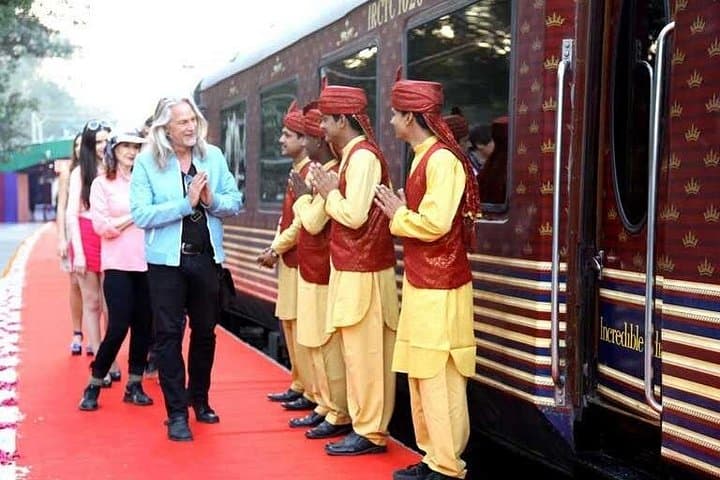
You step onto the platform as dawn light skims the station tiles; the superfast train waits, air-conditioned and punctual, a moving corridor that compresses the 230 km between New Delhi and Agra into a little more than two hours.
Verified experiences and guided adventures in the surrounding area.
Operated by Golden Triangle Routes · Agra, Uttar Pradesh
You step onto the platform as dawn light skims the station tiles; the superfast train waits, air-conditioned and punctual, a moving corridor that compresses the 230 km between New Delhi and Agra into a little more than two hours.
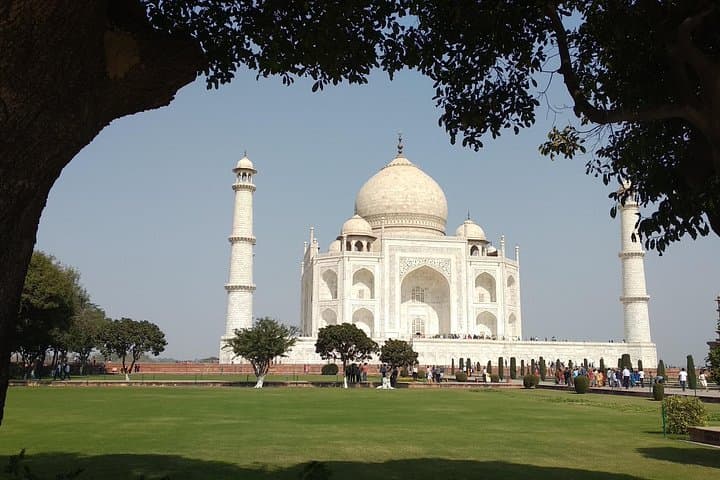
By midmorning you approach the marble fields: the Taj Mahal rises across manicured gardens and the slow-moving Yamuna, its white dome flashing in the sun. The guide leads you through the story—Shah Jahan’s grief, the Mughal court’s aesthetics—and points out pietra dura inlays that still catch light like tiny constellations.
Agra’s stone and soil tell layered histories: red-sandstone ramparts of the 16th‑century Agra Fort, Mughal-era gardens, and marketplaces where marble inlay craftsmen and leatherworkers continue traditional trades. Geologically, the plains here are the broad alluvial Gangetic deposits; the Taj’s marble came from Makrana, hundreds of kilometers away, carried by labor and empire.
Practically: plan for security lines (no large bags), book a timed-entry ticket if possible, and aim for the morning visit to avoid heat and glare. The day includes a guided walk through Agra Fort, a sit-down buffet lunch at a high‑end hotel, and time in the bazaars for inlay work and leather. Expect slow, deliberate wandering rather than strenuous exertion—still, bring sun protection, refillable water, and comfortable shoes; surfaces are uneven where centuries of footsteps have smoothed stone.
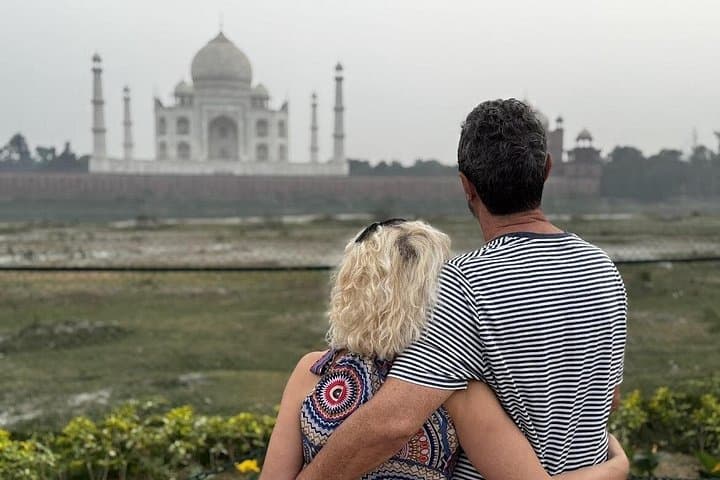
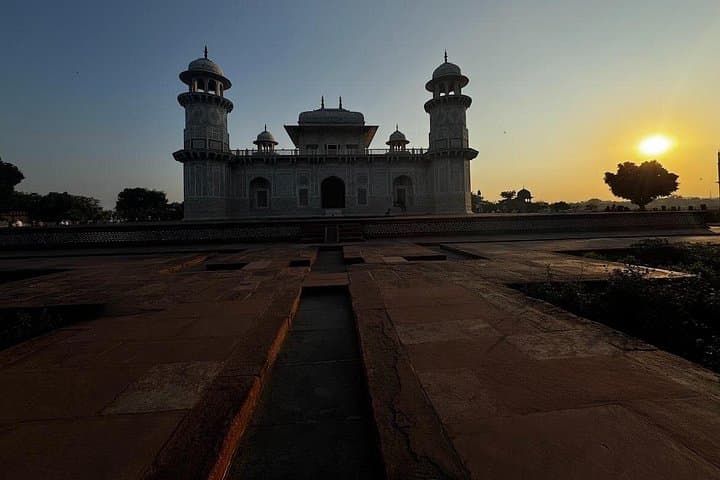
This is a full-day loop from Delhi—efficient, historically rich, and sensory. For photographers, Mehtab Bagh across the river offers a quieter framed view of the mausoleum at sunset; for shoppers, the local markets reward patient bargaining.
Standard tickets are typically not included; confirm on booking—this tour lists some admissions as not included, though the guide assists with entry.
The itinerary uses AC chair car on the superfast train (seat reservations included if that option is selected).
The operator states wheelchair access is available for parts of the tour, but expect steps at heritage sites; contact the provider in advance for assistance arrangements.
You’ll have an afternoon slot to explore Agra’s markets, typically 45–90 minutes depending on timing—plan priorities beforehand.
Golden Triangle Routes operates guided outdoor trips and adventures with an emphasis on safety, stewardship, and memorable experiences.
You step onto the platform as dawn light skims the station tiles; the superfast train waits, air-conditioned and punctual, a moving corridor that compresses the 230 km between New Delhi and Agra into a little more than two hours.
You step onto the platform as dawn light skims the station tiles; the superfast train waits, air-conditioned and punctual, a moving corridor that compresses the 230 km between New Delhi and Agra into a little more than two hours.
By midmorning you approach the marble fields: the Taj Mahal rises across manicured gardens and the slow-moving Yamuna, its white dome flashing in the sun. The guide leads you through the story—Shah Jahan’s grief, the Mughal court’s aesthetics—and points out pietra dura inlays that still catch light like tiny constellations.
Agra’s stone and soil tell layered histories: red-sandstone ramparts of the 16th‑century Agra Fort, Mughal-era gardens, and marketplaces where marble inlay craftsmen and leatherworkers continue traditional trades. Geologically, the plains here are the broad alluvial Gangetic deposits; the Taj’s marble came from Makrana, hundreds of kilometers away, carried by labor and empire.
Practically: plan for security lines (no large bags), book a timed-entry ticket if possible, and aim for the morning visit to avoid heat and glare. The day includes a guided walk through Agra Fort, a sit-down buffet lunch at a high‑end hotel, and time in the bazaars for inlay work and leather. Expect slow, deliberate wandering rather than strenuous exertion—still, bring sun protection, refillable water, and comfortable shoes; surfaces are uneven where centuries of footsteps have smoothed stone.
This is a full-day loop from Delhi—efficient, historically rich, and sensory. For photographers, Mehtab Bagh across the river offers a quieter framed view of the mausoleum at sunset; for shoppers, the local markets reward patient bargaining.