THE ADVENTURE COLLECTIVE® · Independent discovery and booking for outdoor travel

Walk the Lymington seawall and Oxey Marsh with an expert guide to spot waders, take in Solent views toward the Needles, and learn the marshes’ salt-industry and wartime history. A relaxed, two-hour coastal discovery ideal for birders and history-minded walkers.
Walk the Lymington seawall and Oxey Marsh with an expert guide to spot waders, take in Solent views toward the Needles, and learn the marshes’ salt-industry and wartime history. A relaxed, two-hour coastal discovery ideal for birders and history-minded walkers.
A low salt wind pushes across the Solent as you step onto the seawall at Lymington, the Isle of Wight’s chalky profile and the Needles sketching the horizon. The walk threads along the Lymington River and Oxey Marsh, where mudflats flatten under wading birds and reedbeds whisper with movement.
Verified experiences and guided adventures in the surrounding area.
Operated by Wild New Forest · Lymington, Hampshire
A low salt wind pushes across the Solent as you step onto the seawall at Lymington, the Isle of Wight’s chalky profile and the Needles sketching the horizon. The walk threads along the Lymington River and Oxey Marsh, where mudflats flatten under wading birds and reedbeds whisper with movement.
Beneath that quiet is layered history: Iron Age activity, a thriving medieval salt industry, and wartime defenses around Hurst Castle. Geologically the route sits on estuarine deposits and shingle spits—tidal forces constantly redraw the margins—while Normandy Lane and the ancient highway trace human travel across centuries.
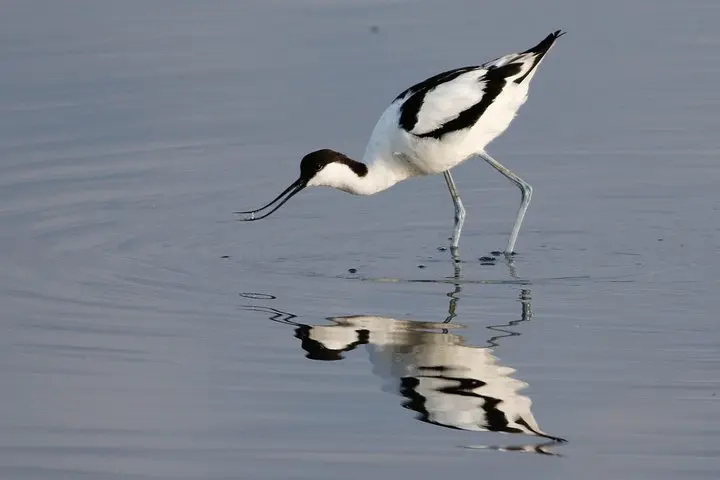
Guides point out specialist flora and the flitting shapes of avocets, redshank and marsh harriers, interpreting seasonal shifts and local smuggling lore without glamorizing it. The coast’s character is direct: exposed, changeable, and generous with sky and sea-borne views.
Practically, expect a relaxed two-hour stride at an easy pace with multiple stops for birding and local history. Paths include compacted seawall surfaces and softer creekside tracks—muddy after rain—so waterproof footwear matters. Binoculars and a jacket repay small investments; low tides reveal feeding flats while high tides concentrate birds nearer the channels. Public transport options into Lymington make this accessible as a half-day outing, and small-group guides tailor sightings to conditions. The experience is best timed for morning light or late afternoon warmth when birds and coastal moods are most active.
The guided experience runs approximately 2 hours following the Lymington River, seawall and Oxey Marsh with regular stops for wildlife and history.
The tour notes wheelchair and stroller accessibility; surfaces are generally firm on the seawall but check with the operator ahead for specific mobility needs.
Service animals are allowed; other pets may be restricted to protect wildlife—confirm with the operator before booking.
The operator may cancel for bad weather; their policy allows a full refund if cancelled at least 24 hours before departure and they may cancel or reschedule based on conditions.
Wild New Forest operates guided outdoor trips and adventures with an emphasis on safety, stewardship, and memorable experiences.
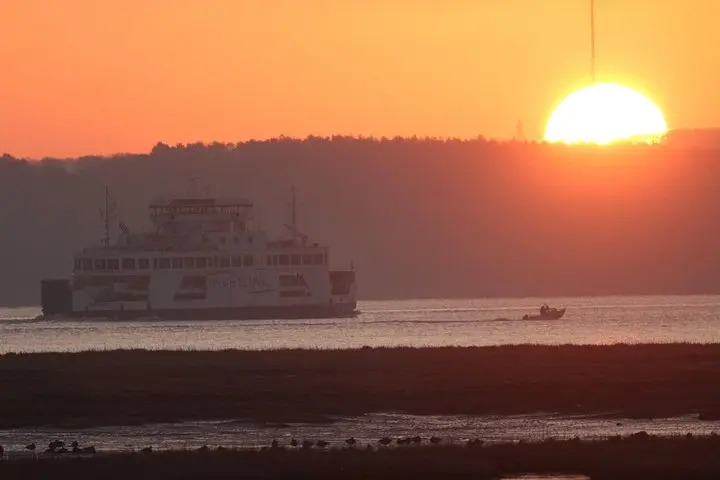
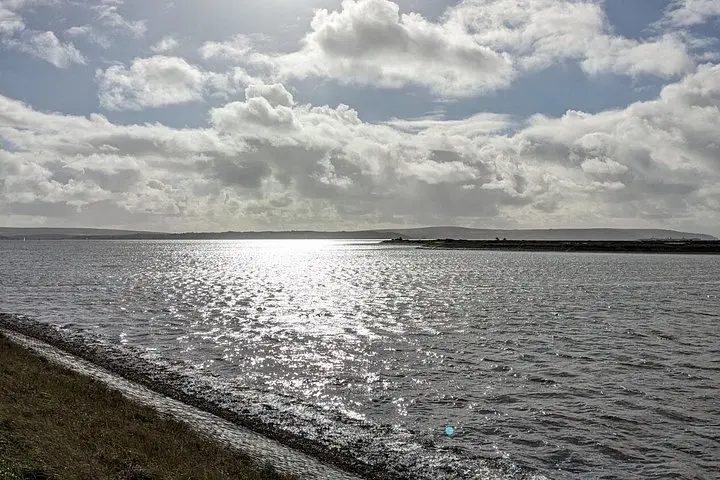
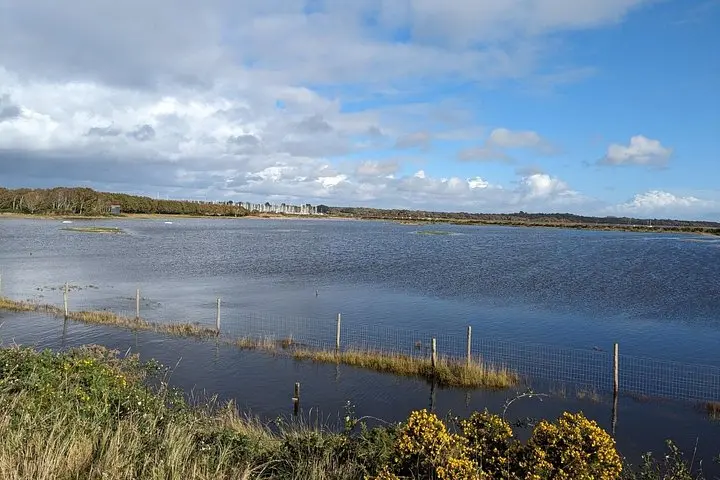
A low salt wind pushes across the Solent as you step onto the seawall at Lymington, the Isle of Wight’s chalky profile and the Needles sketching the horizon. The walk threads along the Lymington River and Oxey Marsh, where mudflats flatten under wading birds and reedbeds whisper with movement.
A low salt wind pushes across the Solent as you step onto the seawall at Lymington, the Isle of Wight’s chalky profile and the Needles sketching the horizon. The walk threads along the Lymington River and Oxey Marsh, where mudflats flatten under wading birds and reedbeds whisper with movement.
Beneath that quiet is layered history: Iron Age activity, a thriving medieval salt industry, and wartime defenses around Hurst Castle. Geologically the route sits on estuarine deposits and shingle spits—tidal forces constantly redraw the margins—while Normandy Lane and the ancient highway trace human travel across centuries.
Guides point out specialist flora and the flitting shapes of avocets, redshank and marsh harriers, interpreting seasonal shifts and local smuggling lore without glamorizing it. The coast’s character is direct: exposed, changeable, and generous with sky and sea-borne views.
Practically, expect a relaxed two-hour stride at an easy pace with multiple stops for birding and local history. Paths include compacted seawall surfaces and softer creekside tracks—muddy after rain—so waterproof footwear matters. Binoculars and a jacket repay small investments; low tides reveal feeding flats while high tides concentrate birds nearer the channels. Public transport options into Lymington make this accessible as a half-day outing, and small-group guides tailor sightings to conditions. The experience is best timed for morning light or late afternoon warmth when birds and coastal moods are most active.