THE ADVENTURE COLLECTIVE® · Independent discovery and booking for outdoor travel

Walk the Quais de Saône, cross the buzzing Presqu'île, and slip through Vieux Lyon’s Renaissance traboules on a three-hour private tour. Expect river views, grand squares, and hidden courtyards with stories told by a local guide.
Walk the Quais de Saône, cross the buzzing Presqu'île, and slip through Vieux Lyon’s Renaissance traboules on a three-hour private tour. Expect river views, grand squares, and hidden courtyards with stories told by a local guide.
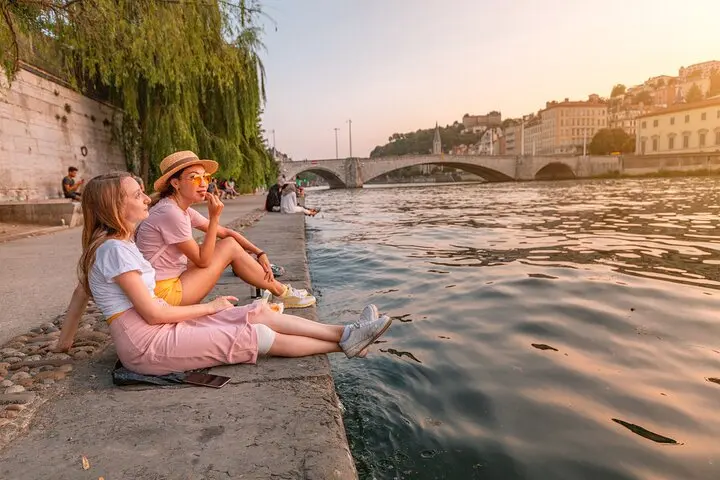
The guide waits on the right-hand corner of the Quais de Saône as the river moves like a slow current through the city, daring you to follow its curve. You step onto flagstones warmed by the day, the façades of old merchants and baroque windows sliding past as the guide threads stories between the buildings. The walk breathes with the city—market stalls, café steam, occasional church bells—until you slip into a hidden courtyard and the busy streets feel years away.
Verified experiences and guided adventures in the surrounding area.
Operated by Opatrip.com France · Lyon, Auvergne-Rhône-Alpes
The guide waits on the right-hand corner of the Quais de Saône as the river moves like a slow current through the city, daring you to follow its curve. You step onto flagstones warmed by the day, the façades of old merchants and baroque windows sliding past as the guide threads stories between the buildings. The walk breathes with the city—market stalls, café steam, occasional church bells—until you slip into a hidden courtyard and the busy streets feel years away.
Lyon’s story is visible in its layers: Roman Lugdunum on the Fourvière hill, the silk-weaving legacy that shaped the Presqu'île’s merchants, and the traboules—secret Renaissance passageways—built to move goods and people through tight urban blocks. Geologically the city sits at the Rhône–Saône confluence, a fluvial junction that directed trade and settlement here for millennia. Culturally, the Presqu'île remains Lyon’s commercial and social core, while Vieux Lyon preserves Renaissance streets and the tactile history of urban life.
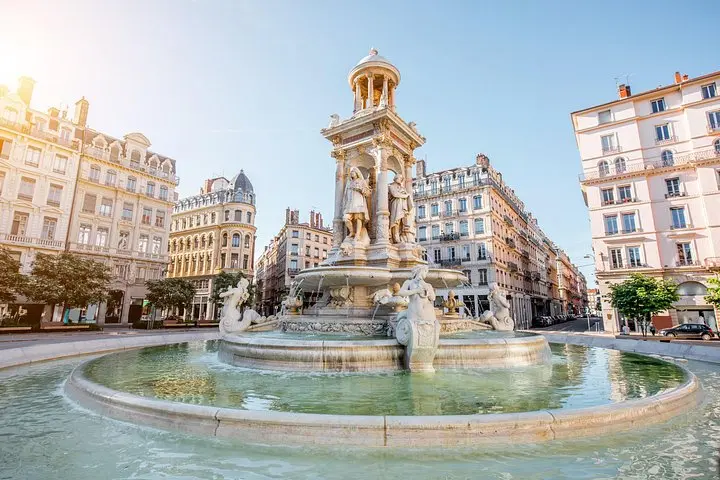
Practically: this private, three-hour walking tour covers riverfront promenades, Place Bellecour, and multiple traboules; sections include stairs and uneven paving. Wear supportive shoes, carry water, and expect intermittent access to certain traboules depending on resident entryways and time of day. Morning or late afternoon tours reduce heat and crowds; public transit links are nearby if you need to join or leave early. The guide’s local knowledge turns alleys into chapters—bring curiosity and a camera, but also respect: many traboules run through private courtyards, so follow the guide’s lead and keep noise low.
The private tour lasts about three hours and covers roughly 3–4 km (2–2.5 miles) of mostly urban walking, with short stair sections.
No—many traboules pass through private courtyards and can be closed; the guide knows which are accessible and will respect private spaces.
Children generally do well, but people with limited mobility may find cobbles and stairs challenging; contact the operator ahead to discuss alternatives.
Language availability depends on the booking; confirm your preferred language when you reserve the private tour.
Opatrip.com France operates guided outdoor trips and adventures with an emphasis on safety, stewardship, and memorable experiences.


The guide waits on the right-hand corner of the Quais de Saône as the river moves like a slow current through the city, daring you to follow its curve. You step onto flagstones warmed by the day, the façades of old merchants and baroque windows sliding past as the guide threads stories between the buildings. The walk breathes with the city—market stalls, café steam, occasional church bells—until you slip into a hidden courtyard and the busy streets feel years away.
The guide waits on the right-hand corner of the Quais de Saône as the river moves like a slow current through the city, daring you to follow its curve. You step onto flagstones warmed by the day, the façades of old merchants and baroque windows sliding past as the guide threads stories between the buildings. The walk breathes with the city—market stalls, café steam, occasional church bells—until you slip into a hidden courtyard and the busy streets feel years away.
Lyon’s story is visible in its layers: Roman Lugdunum on the Fourvière hill, the silk-weaving legacy that shaped the Presqu'île’s merchants, and the traboules—secret Renaissance passageways—built to move goods and people through tight urban blocks. Geologically the city sits at the Rhône–Saône confluence, a fluvial junction that directed trade and settlement here for millennia. Culturally, the Presqu'île remains Lyon’s commercial and social core, while Vieux Lyon preserves Renaissance streets and the tactile history of urban life.
Practically: this private, three-hour walking tour covers riverfront promenades, Place Bellecour, and multiple traboules; sections include stairs and uneven paving. Wear supportive shoes, carry water, and expect intermittent access to certain traboules depending on resident entryways and time of day. Morning or late afternoon tours reduce heat and crowds; public transit links are nearby if you need to join or leave early. The guide’s local knowledge turns alleys into chapters—bring curiosity and a camera, but also respect: many traboules run through private courtyards, so follow the guide’s lead and keep noise low.