THE ADVENTURE COLLECTIVE® · Independent discovery and booking for outdoor travel

Two days of jungle trekking, cave swims and an overnight camp on the sandy shores of Ma Da Lake in Phong Nha–Ke Bang National Park. Explore Elephant Cave, swim into Tra Ang cave, and sleep under the canopy with guided support and camping gear provided.
Two days of jungle trekking, cave swims and an overnight camp on the sandy shores of Ma Da Lake in Phong Nha–Ke Bang National Park. Explore Elephant Cave, swim into Tra Ang cave, and sleep under the canopy with guided support and camping gear provided.
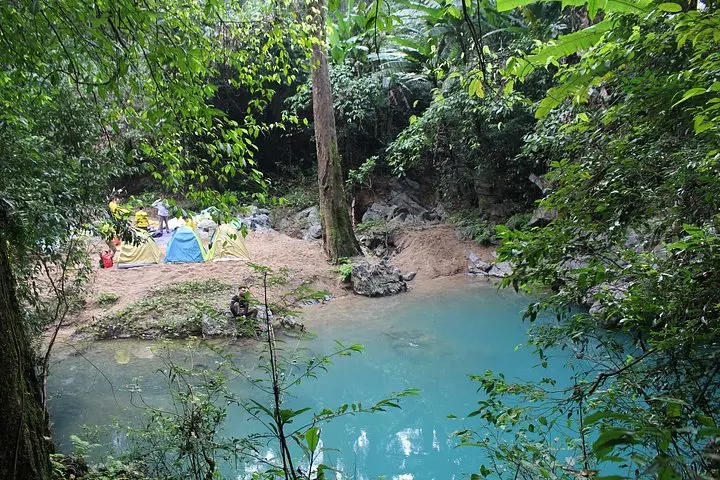
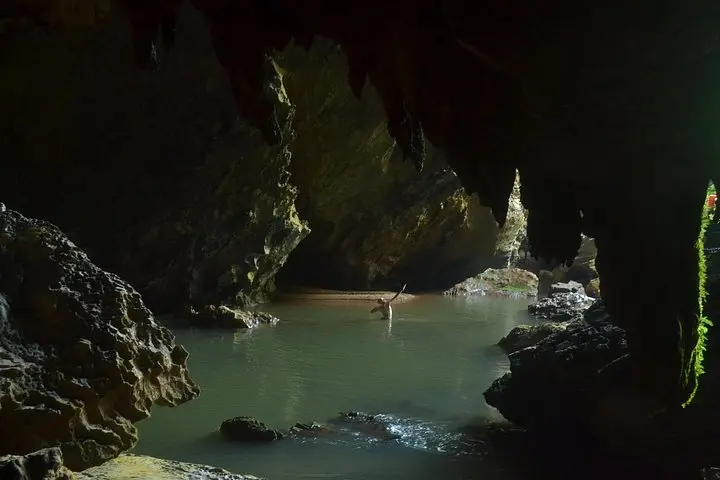
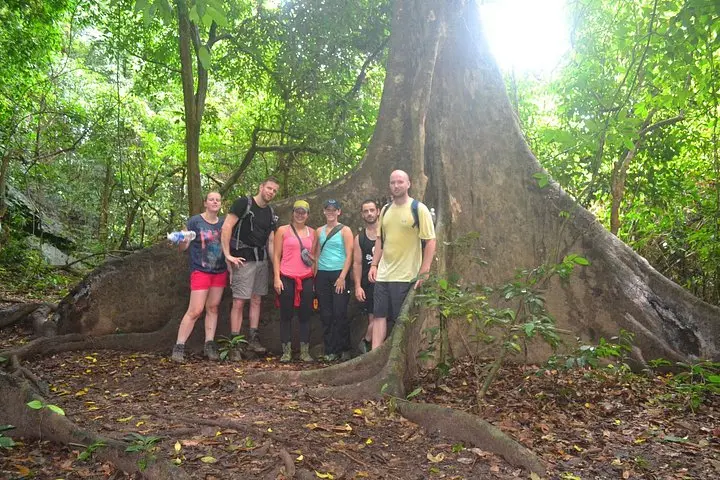
Dawn in Phong Nha arrives humid and green; the van slides away from the main road and the jungle crowds close in. By midmorning your boots sink into leaf litter, palms and limestone cliffs pressing the trail into shadow. The route opens onto Elephant Cave—a short, humid chamber whose stalagmites and narrow passages reward careful exploration—then continues downhill to Ma Da Lake, where clear, blue water waits for a cooling swim.
Verified experiences and guided adventures in the surrounding area.
Operated by Phong Nha Locals Travel & Transport · Phong Nha, Quang Binh
Dawn in Phong Nha arrives humid and green; the van slides away from the main road and the jungle crowds close in. By midmorning your boots sink into leaf litter, palms and limestone cliffs pressing the trail into shadow. The route opens onto Elephant Cave—a short, humid chamber whose stalagmites and narrow passages reward careful exploration—then continues downhill to Ma Da Lake, where clear, blue water waits for a cooling swim.
The region sits inside Phong Nha–Ke Bang National Park, a UNESCO World Heritage site carved from ancient limestone. Karst ridges, cave systems and subterranean rivers formed over millions of years when seas receded and water dissolved the soluble rock. The area also has wartime history; caves served as shelters and supply points during the 20th century, and local communities keep traditional ways of life at the park edges.
Expect two days of moderate jungle trekking, cave swims and a sandy-camp on Ma Da’s shore. Guides set up tents and basic camp kitchens; evenings are for simple Vietnamese meals and listening to the river’s presence. Wake early to follow a second-day trek to Tra Ang cave, where a 600m swim-through offers a hands-on caving experience before a return along the Tra Ang River.
Practical notes: bring a reliable headlamp and a dry bag for electronics, wear sturdy closed-toe shoes (no flip-flops), and pack insect repellent and a quick-dry towel. Hydrate well in the tropical heat and distribute weight carefully if you carry a small daypack—terrains include slippery rock, river crossings and narrow cave sections. Bookings commonly include equipment and meals, but personal swimwear and a spare set of dry clothes make the overnight far more comfortable.
Guides provide safety briefings and equipment; only attempt swims if you’re comfortable in water and follow guide instructions—life vests may be provided for deeper sections.
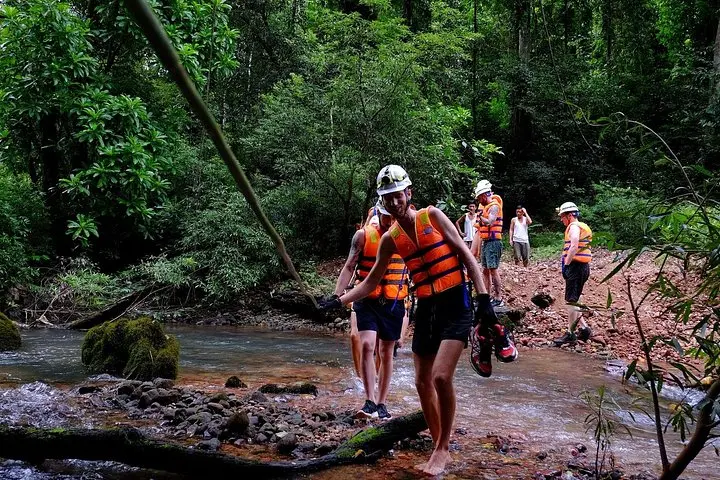
A moderate fitness level is recommended: expect several hours of trekking on uneven, sometimes slippery terrain, plus short swims and river wading.
Yes—tents, basic sleeping gear, communal cooking and safety equipment are typically provided by the tour operator.
The tour accepts families but is not recommended for infants or very young children due to cave swims, river crossings and rugged trails; check operator age policies when booking.
Phong Nha Locals Travel & Transport operates guided outdoor trips and adventures with an emphasis on safety, stewardship, and memorable experiences.
Dawn in Phong Nha arrives humid and green; the van slides away from the main road and the jungle crowds close in. By midmorning your boots sink into leaf litter, palms and limestone cliffs pressing the trail into shadow. The route opens onto Elephant Cave—a short, humid chamber whose stalagmites and narrow passages reward careful exploration—then continues downhill to Ma Da Lake, where clear, blue water waits for a cooling swim.
Dawn in Phong Nha arrives humid and green; the van slides away from the main road and the jungle crowds close in. By midmorning your boots sink into leaf litter, palms and limestone cliffs pressing the trail into shadow. The route opens onto Elephant Cave—a short, humid chamber whose stalagmites and narrow passages reward careful exploration—then continues downhill to Ma Da Lake, where clear, blue water waits for a cooling swim.
The region sits inside Phong Nha–Ke Bang National Park, a UNESCO World Heritage site carved from ancient limestone. Karst ridges, cave systems and subterranean rivers formed over millions of years when seas receded and water dissolved the soluble rock. The area also has wartime history; caves served as shelters and supply points during the 20th century, and local communities keep traditional ways of life at the park edges.
Expect two days of moderate jungle trekking, cave swims and a sandy-camp on Ma Da’s shore. Guides set up tents and basic camp kitchens; evenings are for simple Vietnamese meals and listening to the river’s presence. Wake early to follow a second-day trek to Tra Ang cave, where a 600m swim-through offers a hands-on caving experience before a return along the Tra Ang River.
Practical notes: bring a reliable headlamp and a dry bag for electronics, wear sturdy closed-toe shoes (no flip-flops), and pack insect repellent and a quick-dry towel. Hydrate well in the tropical heat and distribute weight carefully if you carry a small daypack—terrains include slippery rock, river crossings and narrow cave sections. Bookings commonly include equipment and meals, but personal swimwear and a spare set of dry clothes make the overnight far more comfortable.