THE ADVENTURE COLLECTIVE® · Independent discovery and booking for outdoor travel
Step aboard in Maalaea Harbor for a two-hour humpback whale watch led by certified marine naturalists. Hear whale song through hydrophones, watch maternal interactions and competitive displays, and take comfort in a sighting guarantee during season.
Step aboard in Maalaea Harbor for a two-hour humpback whale watch led by certified marine naturalists. Hear whale song through hydrophones, watch maternal interactions and competitive displays, and take comfort in a sighting guarantee during season.
The day begins at Maalaea Harbor with a slow inhale of salt air and the low creak of cleats on timber. Small groups gather by the Maui Ocean Center, coffee cups steaming, eyes scanning a distant swell. Within minutes the boat slips free, the harbor shops receding and the open Pacific widening like a promise. On good days, the sound comes first: a deep, pulsing hum transmitted through onboard hydrophones, the whale song threading through the hull and into your chest.
Verified experiences and guided adventures in the surrounding area.
Operated by Pacific Whale Foundation · Maalaea, Hawaii
The day begins at Maalaea Harbor with a slow inhale of salt air and the low creak of cleats on timber. Small groups gather by the Maui Ocean Center, coffee cups steaming, eyes scanning a distant swell. Within minutes the boat slips free, the harbor shops receding and the open Pacific widening like a promise. On good days, the sound comes first: a deep, pulsing hum transmitted through onboard hydrophones, the whale song threading through the hull and into your chest.
Humpbacks arrive in Hawaiian waters each winter after months feeding in Alaska. Known locally as kohola, these whales choose Maui's shallow, warmer bays to give birth and teach calves the basics of life at sea. Geologically, Maui is younger to the west and older to the east, and Maalaea’s shelf creates calmer waters that both protect mother-calf pairs and concentrate the tiny forage fish that whales and dolphins follow. The tour’s marine naturalists layer cultural context onto these natural rhythms—explaining how Native Hawaiian observers regarded whales as kin and why modern laws protect breeding grounds.
What sets this two-hour cruise apart is interpretation and access. Certified marine naturalists narrate behavior: spy-hops that look like inspection, protective mothers circling calves, and the competitive displays of males. Hydrophones bring the underwater world into the open air; you’ll hear moans and pulses that give texture to surface behaviors. The operator guarantees whale sightings during season, and if you don’t see whales you can rebook for free—an uncommon promise that speaks to their local expertise.
Practicalities matter here. Check-in is 45 minutes before departure at the PWF retail store in the Maalaea Harbor Shops; parking is shared with the Maui Ocean Center. The outings are family-friendly—children four and under ride free but must be listed on the manifest. Boats accept up to about 70 guests on shared tours, and mobile tickets are fine. Trips run roughly two hours; the company may cancel for weather or low numbers, and refunds require 24-hour notice.
For the best experience, aim for mid-morning when winds often slacken and whales are active. Bring a windproof layer, sun protection, binoculars, and motion-sickness prevention if you’re sensitive to swells. Keep cameras ready: breaches and tail slaps can be instantaneous. Above all, let the naturalists steer both questions and expectations—wildlife is unpredictable, but with thoughtful guides and a guarantee in hand, Maalaea Harbor remains one of the most reliable places on Maui to meet the giants of the Pacific.
Yes—during humpback season (typically December–April) the operator guarantees a sighting or offers a free return; check booking terms for blackout dates.
Yes—boats are equipped with hydrophones so you can listen to whale song transmitted live through onboard speakers.
Children are welcome; ages four and under ride free but must be registered on the booking manifest and be accompanied by an adult.
Trips may be canceled for unsafe conditions; if canceled you’ll be offered a full refund or rebooking per the operator’s 24-hour cancellation policy.
Maalaea Harbor and the check-in area near the Maui Ocean Center are accessible, but boarding small vessels can involve steps—contact the operator for specific accommodations.
Mid-morning often offers calmer seas and active whales, though behavior is variable; early departures can mean softer light for photography.
Pacific Whale Foundation operates guided outdoor trips and adventures with an emphasis on safety, stewardship, and memorable experiences.
The day begins at Maalaea Harbor with a slow inhale of salt air and the low creak of cleats on timber. Small groups gather by the Maui Ocean Center, coffee cups steaming, eyes scanning a distant swell. Within minutes the boat slips free, the harbor shops receding and the open Pacific widening like a promise. On good days, the sound comes first: a deep, pulsing hum transmitted through onboard hydrophones, the whale song threading through the hull and into your chest.
The day begins at Maalaea Harbor with a slow inhale of salt air and the low creak of cleats on timber. Small groups gather by the Maui Ocean Center, coffee cups steaming, eyes scanning a distant swell. Within minutes the boat slips free, the harbor shops receding and the open Pacific widening like a promise. On good days, the sound comes first: a deep, pulsing hum transmitted through onboard hydrophones, the whale song threading through the hull and into your chest.
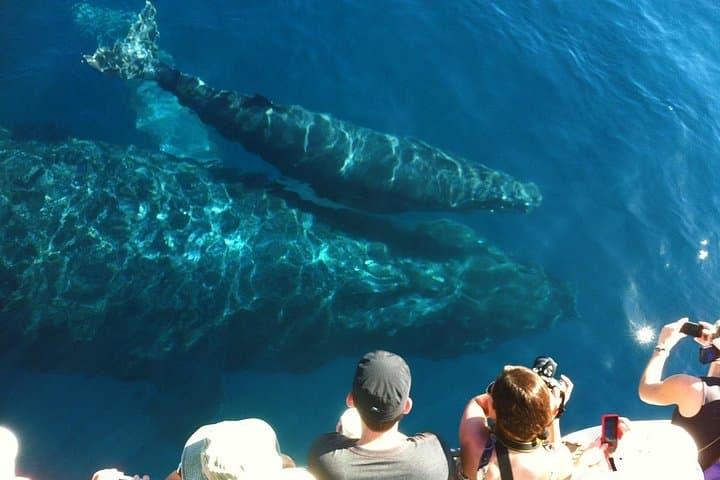
Humpbacks arrive in Hawaiian waters each winter after months feeding in Alaska. Known locally as kohola, these whales choose Maui's shallow, warmer bays to give birth and teach calves the basics of life at sea. Geologically, Maui is younger to the west and older to the east, and Maalaea’s shelf creates calmer waters that both protect mother-calf pairs and concentrate the tiny forage fish that whales and dolphins follow. The tour’s marine naturalists layer cultural context onto these natural rhythms—explaining how Native Hawaiian observers regarded whales as kin and why modern laws protect breeding grounds.
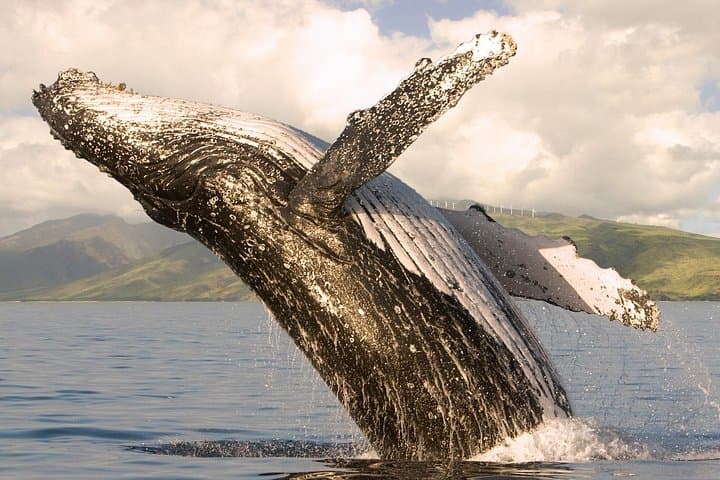
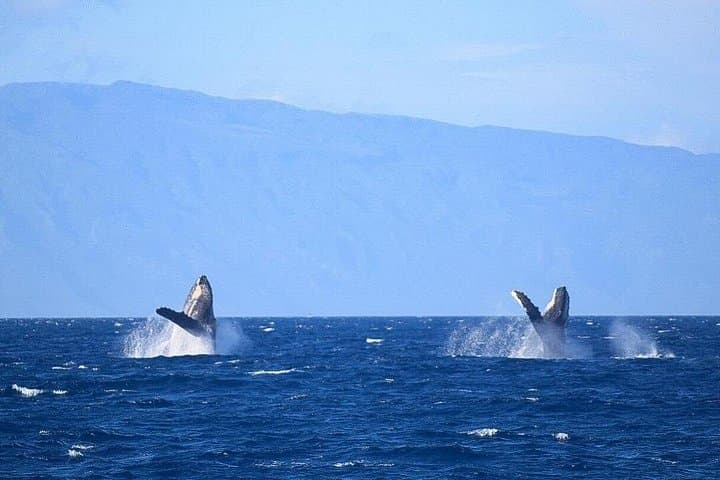
What sets this two-hour cruise apart is interpretation and access. Certified marine naturalists narrate behavior: spy-hops that look like inspection, protective mothers circling calves, and the competitive displays of males. Hydrophones bring the underwater world into the open air; you’ll hear moans and pulses that give texture to surface behaviors. The operator guarantees whale sightings during season, and if you don’t see whales you can rebook for free—an uncommon promise that speaks to their local expertise.
Practicalities matter here. Check-in is 45 minutes before departure at the PWF retail store in the Maalaea Harbor Shops; parking is shared with the Maui Ocean Center. The outings are family-friendly—children four and under ride free but must be listed on the manifest. Boats accept up to about 70 guests on shared tours, and mobile tickets are fine. Trips run roughly two hours; the company may cancel for weather or low numbers, and refunds require 24-hour notice.
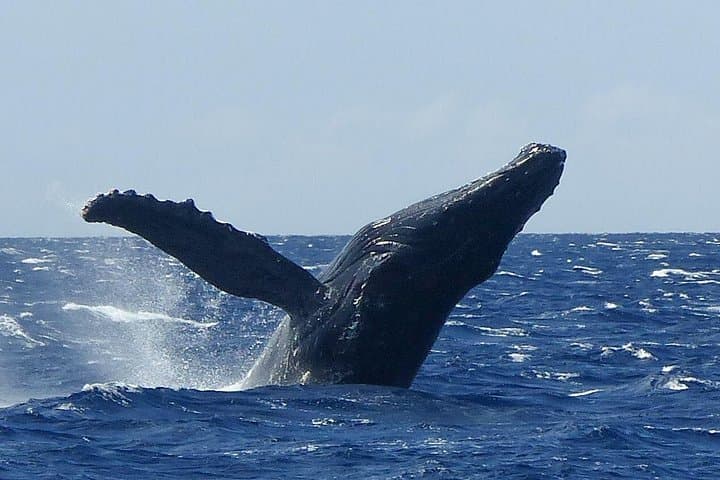
For the best experience, aim for mid-morning when winds often slacken and whales are active. Bring a windproof layer, sun protection, binoculars, and motion-sickness prevention if you’re sensitive to swells. Keep cameras ready: breaches and tail slaps can be instantaneous. Above all, let the naturalists steer both questions and expectations—wildlife is unpredictable, but with thoughtful guides and a guarantee in hand, Maalaea Harbor remains one of the most reliable places on Maui to meet the giants of the Pacific.
