THE ADVENTURE COLLECTIVE® · Independent discovery and booking for outdoor travel

Board a fast, small-group Boston Whaler from Māʻalaea Harbor for an up-close humpback encounter. This two-hour cruise balances speed, stability and local knowledge to maximize whale sightings for groups of up to six.
Board a fast, small-group Boston Whaler from Māʻalaea Harbor for an up-close humpback encounter. This two-hour cruise balances speed, stability and local knowledge to maximize whale sightings for groups of up to six.
The bow slices through blue that looks deeper than the sky, and the ocean answers with a white spray—then, a shadow beneath the surface rises and the sea exhales. On a two-hour cruise from Māʻalaea Harbor aboard Amore, a 42' Boston Whaler built for speed and stability, the scale of humpback whales becomes undeniable: a lunging fluke, a towering breach, a calf traveling in the slipstream of its mother.
Verified experiences and guided adventures in the surrounding area.
Operated by Hawaii Nautical · Māʻalaea, Hawaii
The bow slices through blue that looks deeper than the sky, and the ocean answers with a white spray—then, a shadow beneath the surface rises and the sea exhales. On a two-hour cruise from Māʻalaea Harbor aboard Amore, a 42' Boston Whaler built for speed and stability, the scale of humpback whales becomes undeniable: a lunging fluke, a towering breach, a calf traveling in the slipstream of its mother.
Māʻalaea itself is more than a launch point. For centuries this landing served Hawaiian aliʻi and fishermen; petroglyphs and the remains of a heiau point to a coastline that has always watched the ocean for passage and food. Geologically, the bay sits where older lava flows meet reef flats; currents funnel nutrients here, and during winter months the North Pacific funnels migrating humpbacks into Maui’s warm, shallow waters to breed and calve.
The experience is intimate by design. With a maximum of six passengers, the vessel can chase the feed lines, hold position at the edge of a pod, and give you a perspective close to the water where whale blows, tail slaps and pectoral fin waves register not just visually but physically. Deck space allows for multiple viewpoints, and the captain chooses spots—Molokini approaches, Sugar Beach runs, or the jagged coastline near the harbor—based on weather and animal activity.
Culturally, whale season on Maui is a reminder of traditional Hawaiian respect for kai (the sea). Modern whale-watching adheres to NOAA rules and local best practices: keep distance when animals show signs of stress, and let them lead the encounter.
Practicalities matter. The cruise departs from The Historic Maalaea General Store—arrive early to check in and claim a spot. The boat includes basic refreshments; bathrooms are on shore. Dress in layers: mornings can be balmy but wind picks up offshore. If you’re prone to motion sickness, take medication ahead of time; small vessels move differently from shore-based viewing. Photography-wise, bring a mid-telephoto lens (200–400mm range is ideal) and a polarized filter to cut glare.
The operator guarantees a wildlife encounter—if you don’t see whales you can rebook a trip of equal or lesser value once. Expect a fast, focused outing: two hours of scouting, positioning and watching, then a smooth run back to the harbor with the sun often low and the water glittering like a map of possible returns.
Whether you’re a first-timer who wants to feel the ocean move beneath you, or a seasoned watcher looking for close encounters, this small-group cruise turns statistics into moments—blows, breaches and the quiet power of animals that travel thousands of miles just to birth in these soft Hawaiian seas.
Peak season is mid-December through April when North Pacific humpbacks migrate to Hawaiian waters to breed and calve.
Yes — the operator offers one free re-ride on a trip of equal or lesser value if whales aren’t observed on your cruise.
Yes; trips are limited to six passengers, making them suitable for families. Life jackets are provided and the crew accommodates young guests.
No; restrooms are at the marina/harbor check-in point before boarding, so plan accordingly.
Tipping is customary for good service; 15–20% of the trip cost is a common guideline.
Full refunds are available if you cancel at least 24 hours prior; the operator may cancel for unsafe weather and will offer a refund or rebooking if that occurs.
Hawaii Nautical operates guided outdoor trips and adventures with an emphasis on safety, stewardship, and memorable experiences.
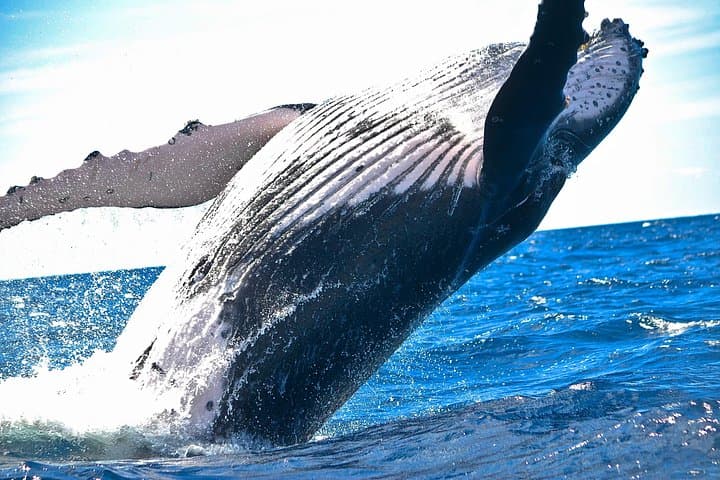
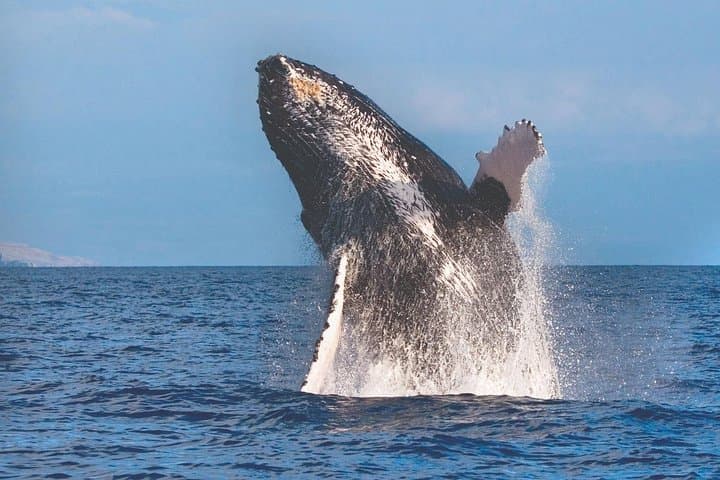
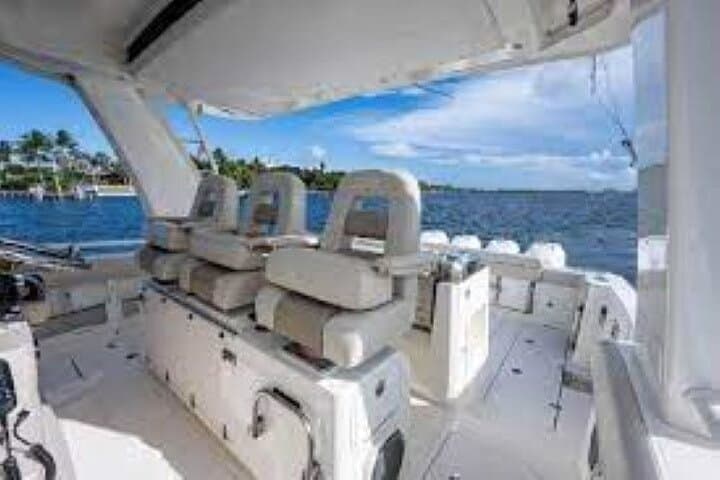
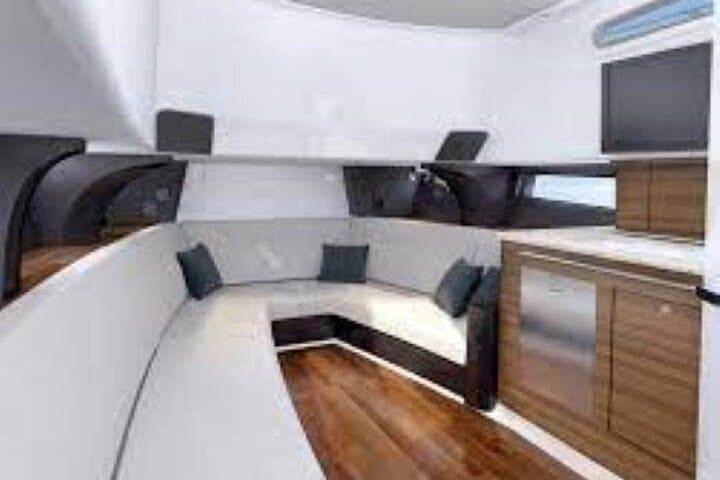
The bow slices through blue that looks deeper than the sky, and the ocean answers with a white spray—then, a shadow beneath the surface rises and the sea exhales. On a two-hour cruise from Māʻalaea Harbor aboard Amore, a 42' Boston Whaler built for speed and stability, the scale of humpback whales becomes undeniable: a lunging fluke, a towering breach, a calf traveling in the slipstream of its mother.
The bow slices through blue that looks deeper than the sky, and the ocean answers with a white spray—then, a shadow beneath the surface rises and the sea exhales. On a two-hour cruise from Māʻalaea Harbor aboard Amore, a 42' Boston Whaler built for speed and stability, the scale of humpback whales becomes undeniable: a lunging fluke, a towering breach, a calf traveling in the slipstream of its mother.
Māʻalaea itself is more than a launch point. For centuries this landing served Hawaiian aliʻi and fishermen; petroglyphs and the remains of a heiau point to a coastline that has always watched the ocean for passage and food. Geologically, the bay sits where older lava flows meet reef flats; currents funnel nutrients here, and during winter months the North Pacific funnels migrating humpbacks into Maui’s warm, shallow waters to breed and calve.
The experience is intimate by design. With a maximum of six passengers, the vessel can chase the feed lines, hold position at the edge of a pod, and give you a perspective close to the water where whale blows, tail slaps and pectoral fin waves register not just visually but physically. Deck space allows for multiple viewpoints, and the captain chooses spots—Molokini approaches, Sugar Beach runs, or the jagged coastline near the harbor—based on weather and animal activity.
Culturally, whale season on Maui is a reminder of traditional Hawaiian respect for kai (the sea). Modern whale-watching adheres to NOAA rules and local best practices: keep distance when animals show signs of stress, and let them lead the encounter.
Practicalities matter. The cruise departs from The Historic Maalaea General Store—arrive early to check in and claim a spot. The boat includes basic refreshments; bathrooms are on shore. Dress in layers: mornings can be balmy but wind picks up offshore. If you’re prone to motion sickness, take medication ahead of time; small vessels move differently from shore-based viewing. Photography-wise, bring a mid-telephoto lens (200–400mm range is ideal) and a polarized filter to cut glare.
The operator guarantees a wildlife encounter—if you don’t see whales you can rebook a trip of equal or lesser value once. Expect a fast, focused outing: two hours of scouting, positioning and watching, then a smooth run back to the harbor with the sun often low and the water glittering like a map of possible returns.
Whether you’re a first-timer who wants to feel the ocean move beneath you, or a seasoned watcher looking for close encounters, this small-group cruise turns statistics into moments—blows, breaches and the quiet power of animals that travel thousands of miles just to birth in these soft Hawaiian seas.