THE ADVENTURE COLLECTIVE® · Independent discovery and booking for outdoor travel

Spend a day in a working Maasai boma outside Arusha where songs, beadwork and cattle stories reveal living traditions. This practical guide explains what to expect, how to prepare, and how to be respectful while visiting a Maasai village.
Spend a day in a working Maasai boma outside Arusha where songs, beadwork and cattle stories reveal living traditions. This practical guide explains what to expect, how to prepare, and how to be respectful while visiting a Maasai village.
You step off the minivan into sun-baked red soil and a ring of low houses — the boma — where smoke curls from dung-fueled hearths and children size you up with quick, bright eyes.
Verified experiences and guided adventures in the surrounding area.
Operated by Kilimanjaro Safari Experience · Arusha, Arusha Region
You step off the minivan into sun-baked red soil and a ring of low houses — the boma — where smoke curls from dung-fueled hearths and children size you up with quick, bright eyes.
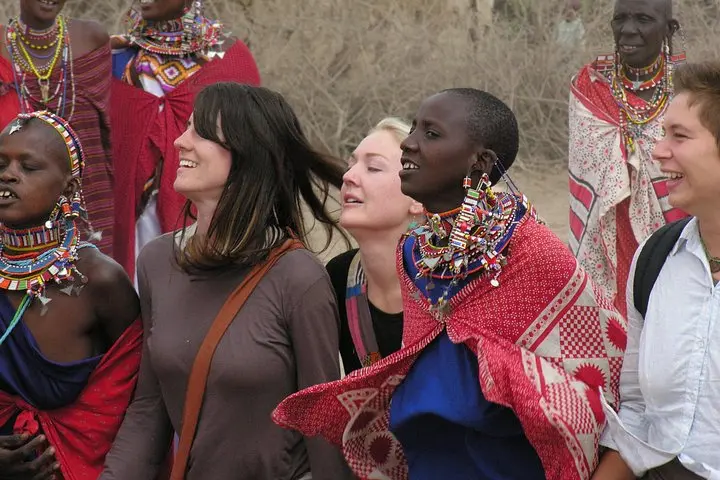
This day trip from Arusha places visitors inside a working Maasai village to watch songs, see beadwork being made, learn stick-building techniques and join in a traditional welcome. The Maasai are a Nilotic pastoral people whose territory spans central and southern Kenya and northern Tanzania; their lives are tied to cattle, seasonal grazing, and rituals that mark age-sets and community roles.
Geologically the landscape around Arusha is an undulating savanna of volcanic soils and eroded hills, carving drainage lines that the boma locations exploit for grazing. Culturally, the boma is both household and social unit — a communal compound often arranged for livestock protection. Expect stories about livestock, Maa language phrases, and hands-on demonstrations of fire-making, bead-stringing, and hut construction.
Practicalities: most itineraries run 5–8 hours door-to-door from Arusha with private transport, bottled water and lunch included. Mobility is easy to moderate — surfaces are uneven, shade limited, and the sun is direct. Bring sun protection, comfortable closed-toe shoes for walking between compounds, and small notes for photography permissions or craft purchases.
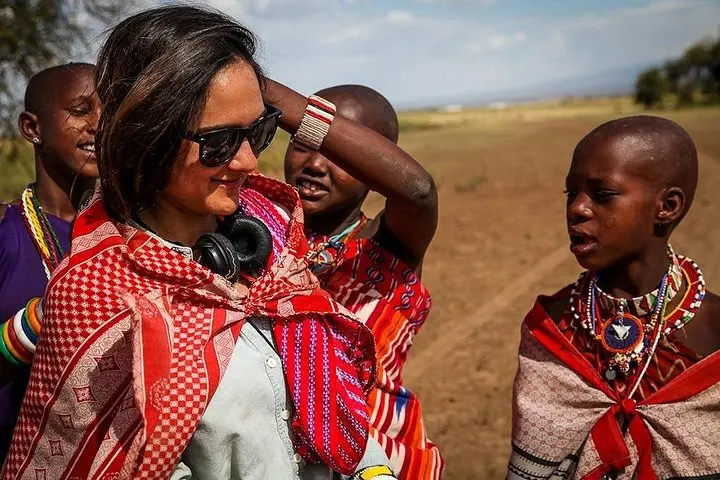
Respect local customs: ask before photographing individuals, follow guides’ directions during dances and ceremonies, and use provided waste bins or carry out trash. A day at a Maasai boma is an exchange — you gain access to intimate cultural practices while contributing directly to rural livelihoods.
Typical door-to-door durations are 5–8 hours depending on pickup location in Arusha and time spent at the village.
Yes — many activities are family-friendly, but children should be supervised around livestock and fires.
No special permits are required for a cultural visit; follow routine travel health guidance for Tanzania (e.g., malaria precautions where recommended).
Yes — beadwork and small crafts are commonly available; carrying small bills and negotiating politely is standard.
Kilimanjaro Safari Experience operates guided outdoor trips and adventures with an emphasis on safety, stewardship, and memorable experiences.
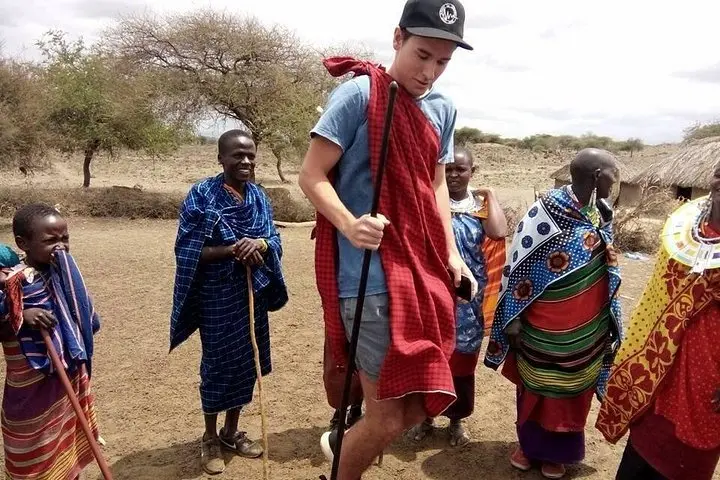
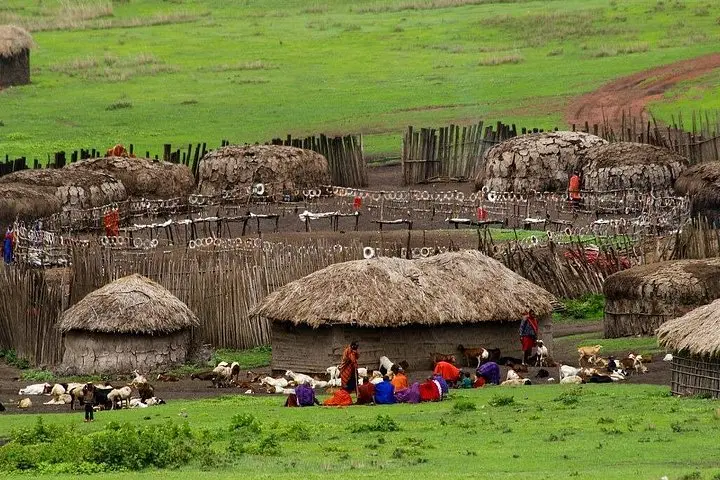
You step off the minivan into sun-baked red soil and a ring of low houses — the boma — where smoke curls from dung-fueled hearths and children size you up with quick, bright eyes.
You step off the minivan into sun-baked red soil and a ring of low houses — the boma — where smoke curls from dung-fueled hearths and children size you up with quick, bright eyes.
This day trip from Arusha places visitors inside a working Maasai village to watch songs, see beadwork being made, learn stick-building techniques and join in a traditional welcome. The Maasai are a Nilotic pastoral people whose territory spans central and southern Kenya and northern Tanzania; their lives are tied to cattle, seasonal grazing, and rituals that mark age-sets and community roles.
Geologically the landscape around Arusha is an undulating savanna of volcanic soils and eroded hills, carving drainage lines that the boma locations exploit for grazing. Culturally, the boma is both household and social unit — a communal compound often arranged for livestock protection. Expect stories about livestock, Maa language phrases, and hands-on demonstrations of fire-making, bead-stringing, and hut construction.
Practicalities: most itineraries run 5–8 hours door-to-door from Arusha with private transport, bottled water and lunch included. Mobility is easy to moderate — surfaces are uneven, shade limited, and the sun is direct. Bring sun protection, comfortable closed-toe shoes for walking between compounds, and small notes for photography permissions or craft purchases.
Respect local customs: ask before photographing individuals, follow guides’ directions during dances and ceremonies, and use provided waste bins or carry out trash. A day at a Maasai boma is an exchange — you gain access to intimate cultural practices while contributing directly to rural livelihoods.