THE ADVENTURE COLLECTIVE® · Independent discovery and booking for outdoor travel

Spend 2–3 days living with a Maasai family at Mama Lucy’s in Lengijave: hike Lengijave Hill, milk cows, and join community meetings and church services. Expect hands-on cultural exchange, basic clay-built accommodation, and fresh open-fire meals.
Spend 2–3 days living with a Maasai family at Mama Lucy’s in Lengijave: hike Lengijave Hill, milk cows, and join community meetings and church services. Expect hands-on cultural exchange, basic clay-built accommodation, and fresh open-fire meals.
You arrive at Mama Lucy’s compound as the sun lifts over Mount Meru, the air carrying wood smoke and the steady lowing of cattle. The clay house stands plain and painted with Maasai symbols; a line of children runs between the garden and a scatter of bright fabric. Days here are measured in chores and chai, in the rhythm of milking, herding and a short hike up Lengijave Hill that opens onto sweeping views of the Meru flank.
Verified experiences and guided adventures in the surrounding area.
Operated by Kanga Homestay · Lengijave, Arusha Region
You arrive at Mama Lucy’s compound as the sun lifts over Mount Meru, the air carrying wood smoke and the steady lowing of cattle. The clay house stands plain and painted with Maasai symbols; a line of children runs between the garden and a scatter of bright fabric. Days here are measured in chores and chai, in the rhythm of milking, herding and a short hike up Lengijave Hill that opens onto sweeping views of the Meru flank.
The Maasai in this region are pastoralists whose connection to livestock shapes social life and land use. The slopes around Lengijave are volcanic foothills of the Meru massif—fertile, erodible soils that have supported small farms and grazing for generations. Cultural practices you’ll meet include group savings and women’s support meetings (Upendo), morning Catholic chant, and communal cooking over open fires.
Expect hands-on tasks: milking cows, helping with livestock care, and a guided 2-hour round-trip hike up Lengijave Hill on mixed dirt trails with short steep sections. Accommodation is a traditional clay-built home with basic comforts; meals are local and cooked fresh. Practical tips: bring sturdy footwear for the hill, modest clothing for village etiquette, and cash for small purchases or tips. Water can be limited—carry a reusable bottle and purification tablets if you prefer. Respect photo boundaries, arrive after 2:00 PM for check-in, and plan for a minimum stay of two nights to fully participate. This is a slow, grounded stay where community rhythms replace luxury—rewarding if you’re ready to trade convenience for connection.
The homestay requires a minimum of 2 nights / 3 days to participate in the full program.
Yes—meals during your stay are included, prepared locally over an open fire; note arrival and departure meal limitations.
Yes—the Lengijave Hill hike is a 2-hour round-trip with mixed dirt terrain and short steep sections; basic fitness and steady footing are all that’s required.
Rescheduling is allowed once for free up to 10 days before the stay; all sales are otherwise final with no refunds for cancellations.
Kanga Homestay operates guided outdoor trips and adventures with an emphasis on safety, stewardship, and memorable experiences.

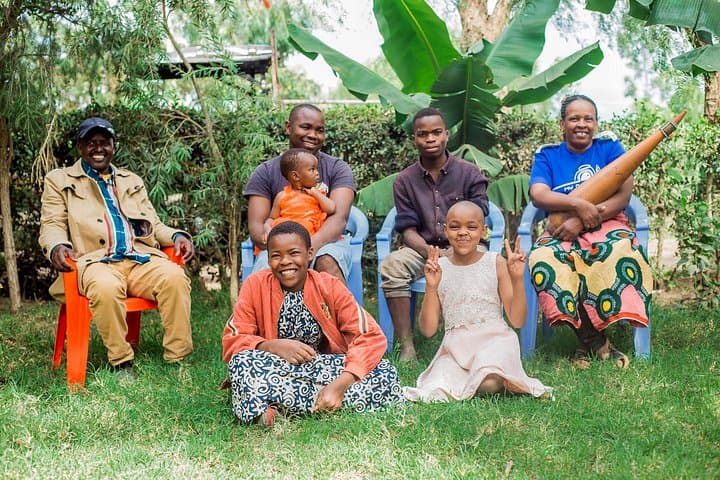


You arrive at Mama Lucy’s compound as the sun lifts over Mount Meru, the air carrying wood smoke and the steady lowing of cattle. The clay house stands plain and painted with Maasai symbols; a line of children runs between the garden and a scatter of bright fabric. Days here are measured in chores and chai, in the rhythm of milking, herding and a short hike up Lengijave Hill that opens onto sweeping views of the Meru flank.
You arrive at Mama Lucy’s compound as the sun lifts over Mount Meru, the air carrying wood smoke and the steady lowing of cattle. The clay house stands plain and painted with Maasai symbols; a line of children runs between the garden and a scatter of bright fabric. Days here are measured in chores and chai, in the rhythm of milking, herding and a short hike up Lengijave Hill that opens onto sweeping views of the Meru flank.
The Maasai in this region are pastoralists whose connection to livestock shapes social life and land use. The slopes around Lengijave are volcanic foothills of the Meru massif—fertile, erodible soils that have supported small farms and grazing for generations. Cultural practices you’ll meet include group savings and women’s support meetings (Upendo), morning Catholic chant, and communal cooking over open fires.
Expect hands-on tasks: milking cows, helping with livestock care, and a guided 2-hour round-trip hike up Lengijave Hill on mixed dirt trails with short steep sections. Accommodation is a traditional clay-built home with basic comforts; meals are local and cooked fresh. Practical tips: bring sturdy footwear for the hill, modest clothing for village etiquette, and cash for small purchases or tips. Water can be limited—carry a reusable bottle and purification tablets if you prefer. Respect photo boundaries, arrive after 2:00 PM for check-in, and plan for a minimum stay of two nights to fully participate. This is a slow, grounded stay where community rhythms replace luxury—rewarding if you’re ready to trade convenience for connection.