THE ADVENTURE COLLECTIVE® · Independent discovery and booking for outdoor travel

Spend 48 hours in the Maasai Mara on guided game drives, sunrise and sunset wildlife viewing, and a cultural visit to a Maasai village. This short safari compresses top wildlife encounters and local insights into a practical, unforgettable outing.
Spend 48 hours in the Maasai Mara on guided game drives, sunrise and sunset wildlife viewing, and a cultural visit to a Maasai village. This short safari compresses top wildlife encounters and local insights into a practical, unforgettable outing.
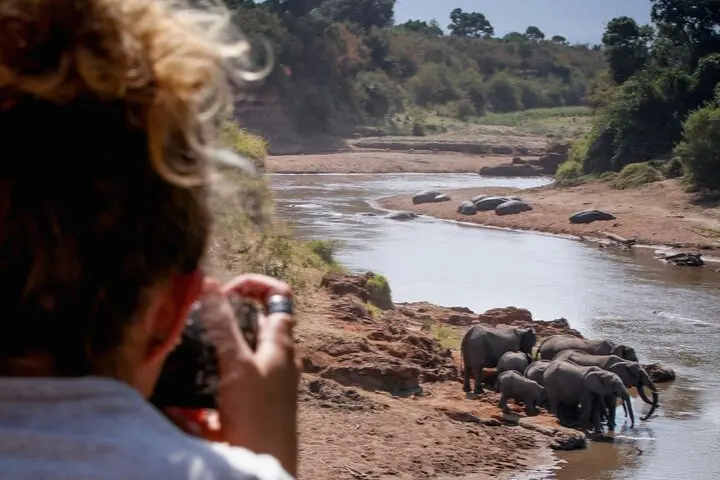
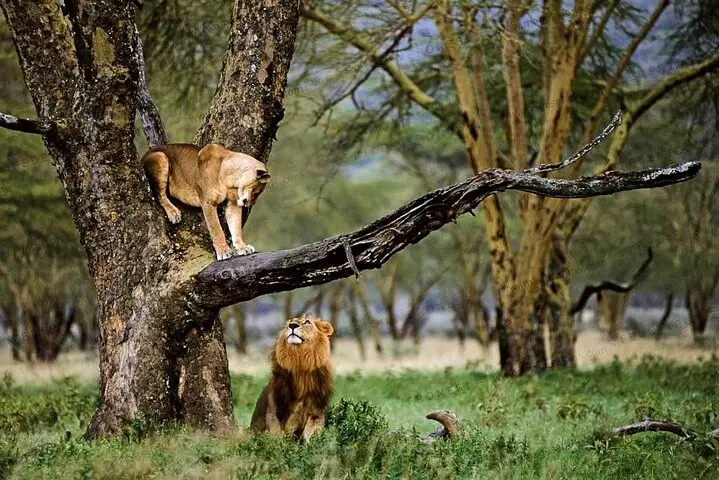
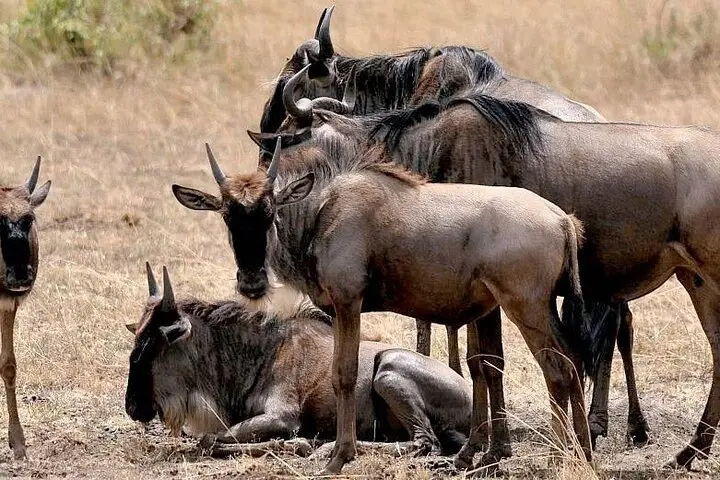
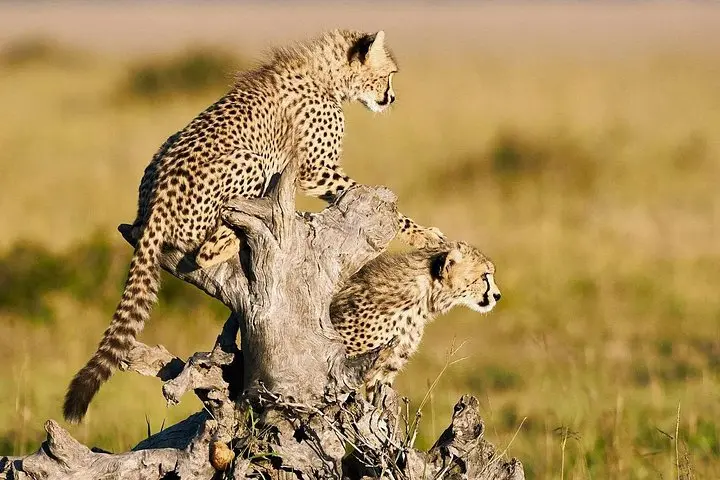
The Land Rover pulls onto a dust-brown track and the Mara spreads open: a wide horizon of grass, acacia shadows and distant silhouettes of grazing elephants. In two days the reserve does what maps cannot—compress a continent’s wild rhythms into close-up encounters: lions lounging in midday heat, a lone giraffe picking at the crown of a thorn tree, and the wind carrying the percussion of hooves in the distance.
Verified experiences and guided adventures in the surrounding area.
Operated by Demic Tours Africa · Maasai Mara, Narok County
The Land Rover pulls onto a dust-brown track and the Mara spreads open: a wide horizon of grass, acacia shadows and distant silhouettes of grazing elephants. In two days the reserve does what maps cannot—compress a continent’s wild rhythms into close-up encounters: lions lounging in midday heat, a lone giraffe picking at the crown of a thorn tree, and the wind carrying the percussion of hooves in the distance.
Maasai Mara’s rolling savannah sits on the eastern edge of the Serengeti ecosystem, shaped by volcanic soils and seasonal rivers that guide animal movements. The reserve’s namesake Maasai people have grazed and moved through this landscape for generations; visiting a local boma offers direct cultural perspective—song, dance and explanations of pastoral life.
Geology here is simple and decisive: open plains formed by ancient lava flows, punctuated by kopjes that serve as predator lookouts. Conservation has transformed parts of the Mara into a managed wildlife mosaic; tourism dollars fund ranger patrols and community projects, but visitors should be mindful of their footprint.
Practically: expect long game drives—morning and late afternoon provide the best light and activity. Accommodations range from tented camp comfort to luxury lodges; nights are cool, mornings often cold. Carry sun protection, a good telephoto lens or binoculars, and layered clothing for dawn and dusk. Respect Maasai protocols when visiting villages and follow your guide’s instructions around wildlife—animal behavior is unpredictable and safety depends on distance and discretion.
A well-planned 48-hour window in the Mara delivers concentrated wildlife viewing, cultural exchange, and the kind of quiet that only an African dawn can insist upon.
This listing does not explicitly list park entry fees; confirm at booking or with the operator whether Mara entry fees and conservation levies are included.
Malaria risk exists in the Mara—consult your doctor about prophylaxis and use insect repellent and bed nets where advised.
If the itinerary includes light-air transfers, soft-sided bags and a 15–20 kg limit are common; confirm with your operator before travel.
Yes—many itineraries include a village visit; follow local customs, ask before taking photos, and consider bringing small practical gifts rather than money.
Demic Tours Africa operates guided outdoor trips and adventures with an emphasis on safety, stewardship, and memorable experiences.
The Land Rover pulls onto a dust-brown track and the Mara spreads open: a wide horizon of grass, acacia shadows and distant silhouettes of grazing elephants. In two days the reserve does what maps cannot—compress a continent’s wild rhythms into close-up encounters: lions lounging in midday heat, a lone giraffe picking at the crown of a thorn tree, and the wind carrying the percussion of hooves in the distance.
The Land Rover pulls onto a dust-brown track and the Mara spreads open: a wide horizon of grass, acacia shadows and distant silhouettes of grazing elephants. In two days the reserve does what maps cannot—compress a continent’s wild rhythms into close-up encounters: lions lounging in midday heat, a lone giraffe picking at the crown of a thorn tree, and the wind carrying the percussion of hooves in the distance.
Maasai Mara’s rolling savannah sits on the eastern edge of the Serengeti ecosystem, shaped by volcanic soils and seasonal rivers that guide animal movements. The reserve’s namesake Maasai people have grazed and moved through this landscape for generations; visiting a local boma offers direct cultural perspective—song, dance and explanations of pastoral life.
Geology here is simple and decisive: open plains formed by ancient lava flows, punctuated by kopjes that serve as predator lookouts. Conservation has transformed parts of the Mara into a managed wildlife mosaic; tourism dollars fund ranger patrols and community projects, but visitors should be mindful of their footprint.
Practically: expect long game drives—morning and late afternoon provide the best light and activity. Accommodations range from tented camp comfort to luxury lodges; nights are cool, mornings often cold. Carry sun protection, a good telephoto lens or binoculars, and layered clothing for dawn and dusk. Respect Maasai protocols when visiting villages and follow your guide’s instructions around wildlife—animal behavior is unpredictable and safety depends on distance and discretion.
A well-planned 48-hour window in the Mara delivers concentrated wildlife viewing, cultural exchange, and the kind of quiet that only an African dawn can insist upon.