THE ADVENTURE COLLECTIVE® · Independent discovery and booking for outdoor travel

Experience three days in the Maasai Mara chasing river crossings, big-cat sightings, and endless plains. This practical guide outlines what to expect, when to go, and how to prepare for an immersion in Kenya’s most famous reserve.
Experience three days in the Maasai Mara chasing river crossings, big-cat sightings, and endless plains. This practical guide outlines what to expect, when to go, and how to prepare for an immersion in Kenya’s most famous reserve.
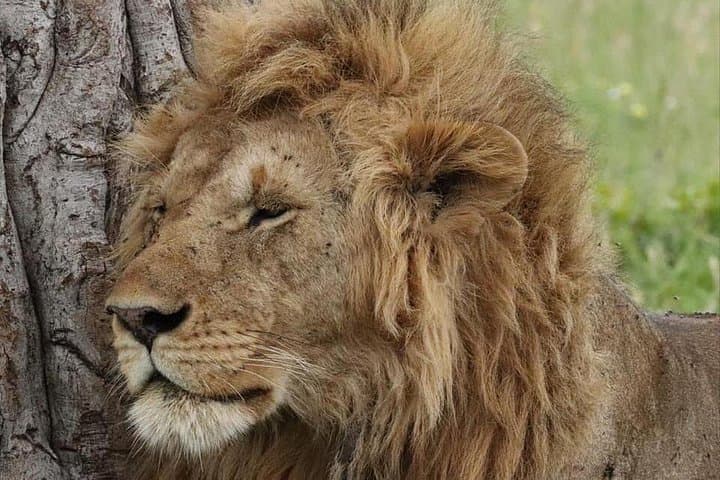
Dawn breaks over a flat horizon and the Mara exhales: dust lifts in pale ribbons as wildebeest push toward the Mara River, zebras slipping through acacia shadows, and lions loafing in the shade. On a three-day migration safari from Nairobi, the landscape moves around you — endless grass plains, the river’s sudden cleft, and the low hum of jeep engines threading between herds.
Verified experiences and guided adventures in the surrounding area.
Operated by Genesis of adventure · Narok, Narok County
Dawn breaks over a flat horizon and the Mara exhales: dust lifts in pale ribbons as wildebeest push toward the Mara River, zebras slipping through acacia shadows, and lions loafing in the shade. On a three-day migration safari from Nairobi, the landscape moves around you — endless grass plains, the river’s sudden cleft, and the low hum of jeep engines threading between herds.
Geology and history shape this scene: the Mara is the Kenyan extension of the Serengeti ecosystem, carved by seasonal rains and the Mara River that slices the park north–south. The reserve takes its name from the Maasai people who have grazed and managed these lands for generations; their villages and stories remain part of the reserve’s cultural fabric. Wildlife concentrations here reflect long-established migration routes that predate modern borders.
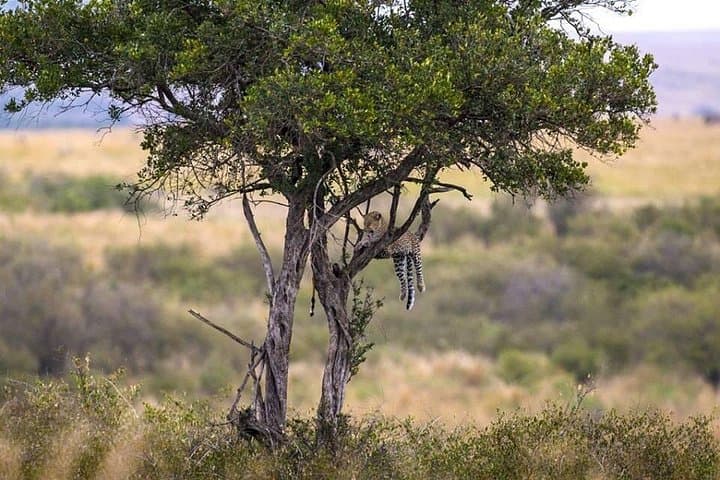
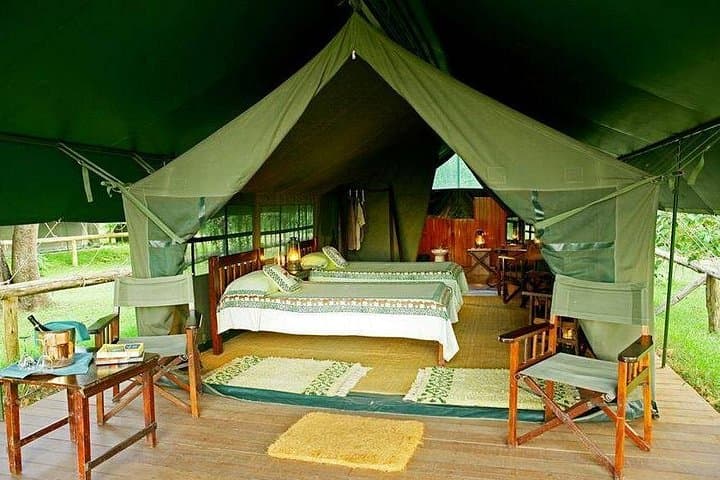
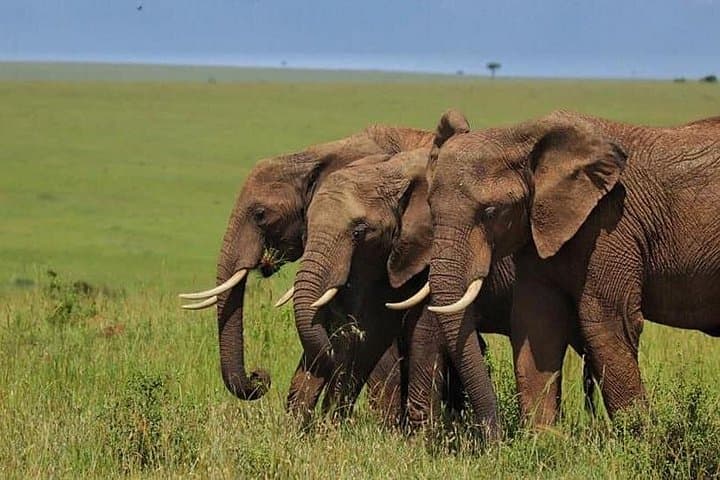
Practically, expect full-day game drives, early pickups (commonly ~7:30–8:00 a.m.), and long stretches in an open 4x4. Peak migration viewing is typically July–October when river crossings intensify, though resident big cats, elephants, and hippos are year-round draws. Lodging varies from tented camps to lodges such as Mara Sopa; park fees and some meals are usually included. Bring layered clothing for cool mornings and hot afternoons, plenty of water, binoculars, and a camera with a good zoom. Respect wildlife distances, follow ranger guidance, and plan for dusty roads and occasional long drives back to Nairobi. Optional extras — a hot-air balloon at sunrise or a Maasai cultural visit — add perspective and cost. This safari delivers raw, kinetic wildlife viewing with practical logistics for travelers of most fitness levels.
Peak river-crossing activity in the Maasai Mara typically occurs July–October, though timing varies year to year; resident species and predators are observable year-round.
This itinerary usually includes national park fees and some meals as noted; confirm specifics with the operator before booking.
Travelers to Kenya often need a visa and should be up-to-date on routine vaccinations; consult a travel health clinic well before departure for malaria prevention and other recommendations.
Yes — optional activities like a hot-air balloon at sunrise or a village visit are typically offered at extra cost and should be reserved in advance.
Genesis of adventure operates guided outdoor trips and adventures with an emphasis on safety, stewardship, and memorable experiences.
Dawn breaks over a flat horizon and the Mara exhales: dust lifts in pale ribbons as wildebeest push toward the Mara River, zebras slipping through acacia shadows, and lions loafing in the shade. On a three-day migration safari from Nairobi, the landscape moves around you — endless grass plains, the river’s sudden cleft, and the low hum of jeep engines threading between herds.
Dawn breaks over a flat horizon and the Mara exhales: dust lifts in pale ribbons as wildebeest push toward the Mara River, zebras slipping through acacia shadows, and lions loafing in the shade. On a three-day migration safari from Nairobi, the landscape moves around you — endless grass plains, the river’s sudden cleft, and the low hum of jeep engines threading between herds.
Geology and history shape this scene: the Mara is the Kenyan extension of the Serengeti ecosystem, carved by seasonal rains and the Mara River that slices the park north–south. The reserve takes its name from the Maasai people who have grazed and managed these lands for generations; their villages and stories remain part of the reserve’s cultural fabric. Wildlife concentrations here reflect long-established migration routes that predate modern borders.
Practically, expect full-day game drives, early pickups (commonly ~7:30–8:00 a.m.), and long stretches in an open 4x4. Peak migration viewing is typically July–October when river crossings intensify, though resident big cats, elephants, and hippos are year-round draws. Lodging varies from tented camps to lodges such as Mara Sopa; park fees and some meals are usually included. Bring layered clothing for cool mornings and hot afternoons, plenty of water, binoculars, and a camera with a good zoom. Respect wildlife distances, follow ranger guidance, and plan for dusty roads and occasional long drives back to Nairobi. Optional extras — a hot-air balloon at sunrise or a Maasai cultural visit — add perspective and cost. This safari delivers raw, kinetic wildlife viewing with practical logistics for travelers of most fitness levels.