THE ADVENTURE COLLECTIVE® · Independent discovery and booking for outdoor travel

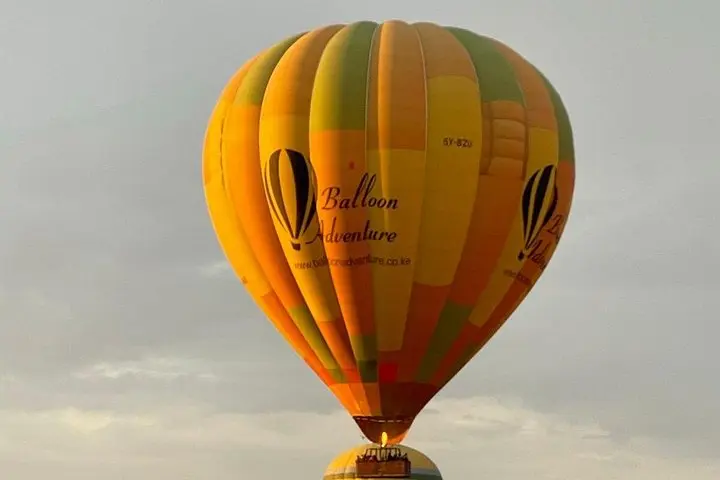
Float above the Maasai Mara at daybreak on a hot-air balloon: one hour over rivers and herds, then a champagne bush breakfast. This early-morning flight offers a silent, elevated perspective on wildlife and the land’s geology.
Float above the Maasai Mara at daybreak on a hot-air balloon: one hour over rivers and herds, then a champagne bush breakfast. This early-morning flight offers a silent, elevated perspective on wildlife and the land’s geology.
Before dawn the burners flare and the fabric bellows, turning darkness into a slowly brightening canopy. You step into a basket as the air cools; the balloon lifts, and the Mara spreads below like a living map — rivers carving, herds shifting, and acacia crowns punctuating the grass.
Verified experiences and guided adventures in the surrounding area.
Operated by kenya safari bookings · Maasai Mara, Narok County
Before dawn the burners flare and the fabric bellows, turning darkness into a slowly brightening canopy. You step into a basket as the air cools; the balloon lifts, and the Mara spreads below like a living map — rivers carving, herds shifting, and acacia crowns punctuating the grass.
The Maasai Mara sits on the southern extension of the Serengeti ecosystem, its soils shaped by ancient volcanic flows and seasonal river systems. The reserve bears deep Maasai cultural ties: pastoralists have roamed these plains for generations, and their beadwork and presence remain a visible part of the landscape around camps and conservancies.
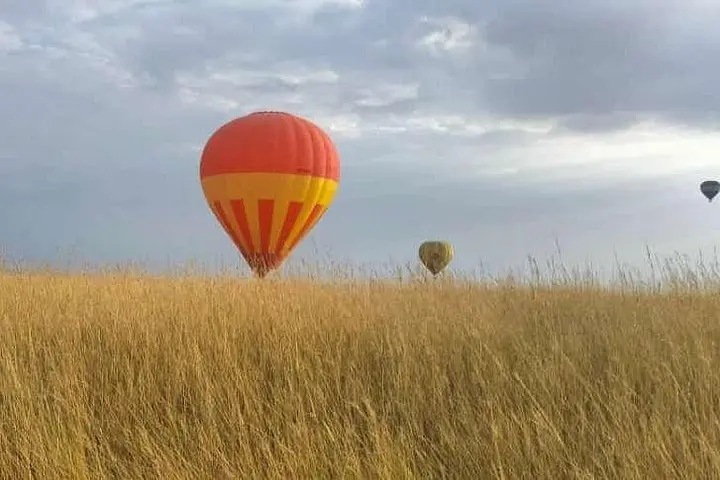
From the balloon the geology reads as washes, escarpments and oxbow loops in the Mara River; wildlife becomes pattern and motion — lions inching through grass, elephants moving with deliberate consent, hippos and crocodiles clustered in the river’s calm. The silence of altitude transforms the scene: wind becomes the only direction and the pilot’s skill the guide.
Practically: flights typically launch pre-dawn, often with hotel pickup around 4:30 a.m., an hour aloft followed by a bush champagne breakfast and return to camp within a 3–4 hour window. Wear warm, layered clothing for the cold morning, sturdy shoes for rough ground at landing, and bring a camera with a zoom lens. Expect gentle but sometimes bouncy landings; mobility requirements are low but you should be comfortable standing for the flight.
A balloon flight is low-impact when operators follow conservancy rules — it’s a quiet, elevated way to see the Mara that supports local tourism and conservation.
The airborne portion is typically about one hour; total activity time including pickup, briefing and breakfast is roughly 3–4 hours.
Many operators offer infant seats and consider flights suitable for children; confirm age or weight restrictions with the provider when booking.
Flights are weather-dependent; operators will reschedule or refund according to their cancellation policy, though immediate refunds may require 24-hour notice.
Yes — cameras and phones are allowed; a zoom lens is recommended to capture wildlife without leaning over the basket edge.
kenya safari bookings operates guided outdoor trips and adventures with an emphasis on safety, stewardship, and memorable experiences.
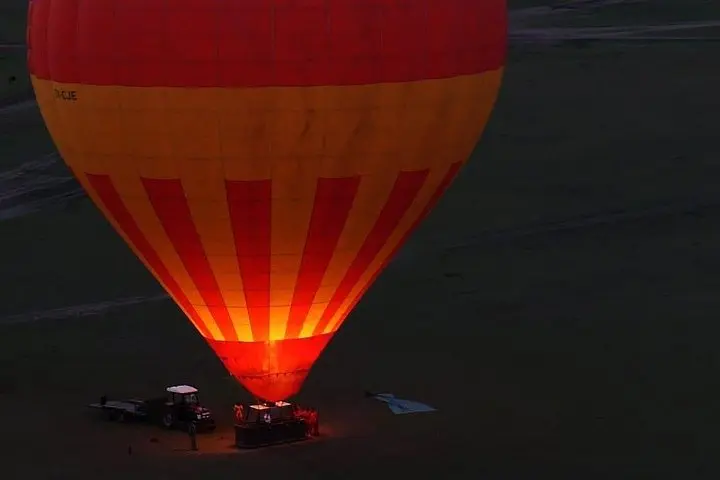
Before dawn the burners flare and the fabric bellows, turning darkness into a slowly brightening canopy. You step into a basket as the air cools; the balloon lifts, and the Mara spreads below like a living map — rivers carving, herds shifting, and acacia crowns punctuating the grass.
Before dawn the burners flare and the fabric bellows, turning darkness into a slowly brightening canopy. You step into a basket as the air cools; the balloon lifts, and the Mara spreads below like a living map — rivers carving, herds shifting, and acacia crowns punctuating the grass.
The Maasai Mara sits on the southern extension of the Serengeti ecosystem, its soils shaped by ancient volcanic flows and seasonal river systems. The reserve bears deep Maasai cultural ties: pastoralists have roamed these plains for generations, and their beadwork and presence remain a visible part of the landscape around camps and conservancies.
From the balloon the geology reads as washes, escarpments and oxbow loops in the Mara River; wildlife becomes pattern and motion — lions inching through grass, elephants moving with deliberate consent, hippos and crocodiles clustered in the river’s calm. The silence of altitude transforms the scene: wind becomes the only direction and the pilot’s skill the guide.
Practically: flights typically launch pre-dawn, often with hotel pickup around 4:30 a.m., an hour aloft followed by a bush champagne breakfast and return to camp within a 3–4 hour window. Wear warm, layered clothing for the cold morning, sturdy shoes for rough ground at landing, and bring a camera with a zoom lens. Expect gentle but sometimes bouncy landings; mobility requirements are low but you should be comfortable standing for the flight.
A balloon flight is low-impact when operators follow conservancy rules — it’s a quiet, elevated way to see the Mara that supports local tourism and conservation.