THE ADVENTURE COLLECTIVE® · Independent discovery and booking for outdoor travel

Spend a day trading the city for plains and palms: meet Maasai families, learn traditional crafts and medicine, then cool off at Chemka (Kikuletwa) Hot Springs with a hot lunch. This private day trip from Arusha blends direct cultural exchange with easy outdoor relaxation.
Spend a day trading the city for plains and palms: meet Maasai families, learn traditional crafts and medicine, then cool off at Chemka (Kikuletwa) Hot Springs with a hot lunch. This private day trip from Arusha blends direct cultural exchange with easy outdoor relaxation.
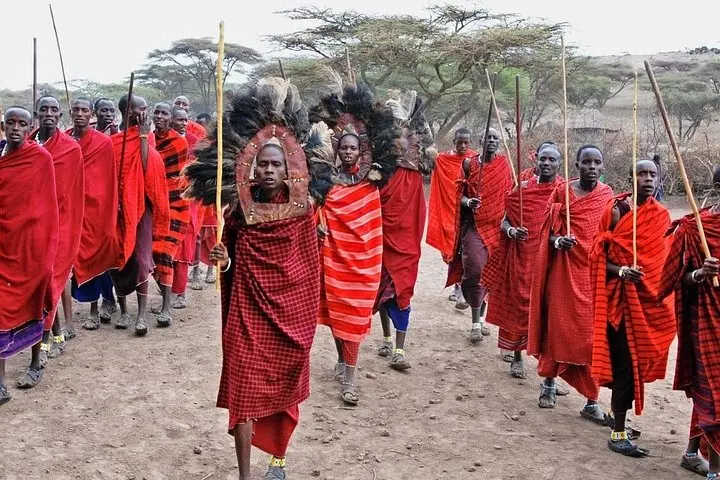
You arrive before the heat of midday, the van rolling off the cracked tarmac and into a landscape where the horizon seems to lean toward Kilimanjaro. The air smells of dust and wood smoke; children watch curiously as your guide introduces you to elders in red shúkà cloth. This is not a staged performance but a short-lived opening into a way of life that has adapted to the plains, cattle, and seasonal rains for centuries.
Verified experiences and guided adventures in the surrounding area.
Operated by Africa Pathways Expeditions · Arusha, Arusha Region
You arrive before the heat of midday, the van rolling off the cracked tarmac and into a landscape where the horizon seems to lean toward Kilimanjaro. The air smells of dust and wood smoke; children watch curiously as your guide introduces you to elders in red shúkà cloth. This is not a staged performance but a short-lived opening into a way of life that has adapted to the plains, cattle, and seasonal rains for centuries.
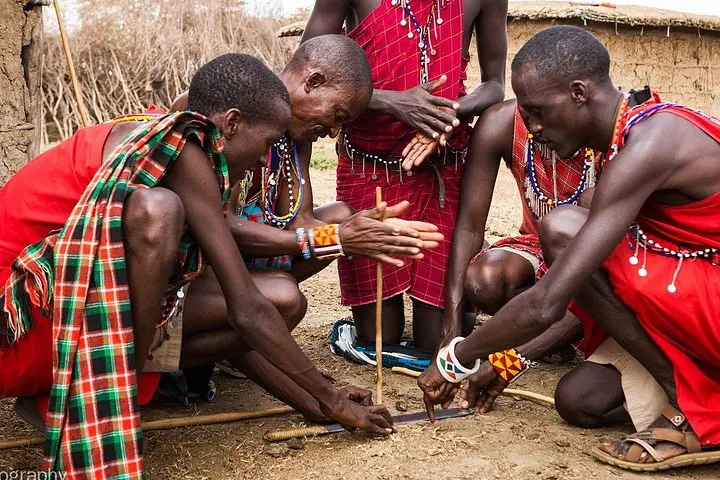
The day begins with a one-hour drive from Arusha or Moshi to a Maasai community situated on the lower slopes that border the northern plains. Here, the interview between visitor and host is direct: mat-weaving, bead-making and the cadence of Maasai song explain themselves as the people show tools, medicinal bush techniques, and the role of cattle in daily life. The Maasai’s oral histories trace movement across northern Tanzania and Kenya; their cultural markers—clothing, music, and ritual—reflect a semi-nomadic past shaped by pasture and proximity to the mountains.
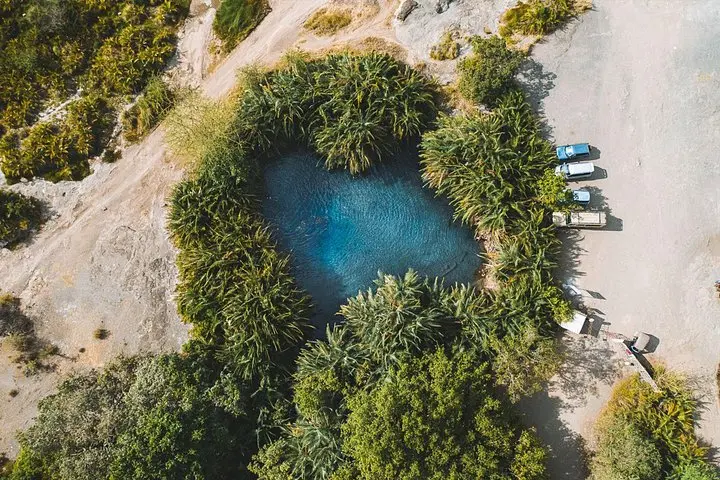
After a morning of close-up cultural exchange, the route cuts across rough track toward Chemka (Kikuletwa) Hot Springs. The spring is a calm pool fed by underground aquifers that push warm, mineral-rich water into a green pocket of palms and fig trees. The limestone edges and clear turquoise basin invite a slow afternoon: a swim, a shaded lunch at a local kiosk, or a hammock nap while dragonflies patrol the surface. Mount Kilimanjaro often looms in the background—an intermittent, photographic presence when clouds allow.
Geology here is simple and generous: rain on the highlands percolates down, emerges through volcanic fissures, and creates the springs. Culturally, the area is an intersection—Maasai guardians of pastoral practice, smallholder farmers, and a growing tourism economy that channels direct contributions back into village projects.
Practicals are straightforward. The full experience runs about nine hours door-to-door and is accessible for most fitness levels; the tour includes private transport, entrance fees, bottled water, and a hot lunch. Wear respectful clothing for village visits (shoulders and knees covered), bring swimwear and a towel for the springs, and carry small bills for local crafts or tips. Expect bumpy roads between stops; the operator’s vehicle, guide, and midday timing are designed to make transitions easy.
For travelers who want a single-day balance of people and place, this pairing delivers: a human-scaled cultural encounter in the morning and a restorative, natural dip in the afternoon. It leaves you with the smell of wood smoke on your clothes, a parcel of beads in your pack, and the memory of clear water pushing gently at your ankles.
The tour is about nine hours total, typically a morning village visit, a drive to Chemka Hot Springs and an afternoon there before returning to Arusha or Moshi.
Visits are arranged with local Maasai communities who decide how to present their culture; expect a mix of demonstration and genuine daily activities, and that your contribution supports the community.
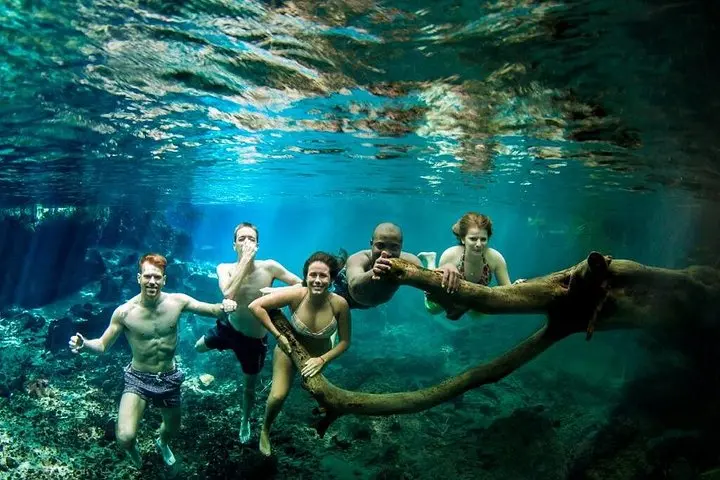
Yes—swimming is permitted and popular; bring swimwear and a towel. The water is clear and fed by natural springs, though depths vary.
The operator notes stroller and wheelchair accessibility for main areas, but some terrain around the village and springs can be uneven—check with the supplier about specific needs.
Bring modest clothing, small-denomination TZS for purchases or contributions, a camera (ask permission before photographing people), and water—though bottled water is provided.
Kilimanjaro can be visible from parts of the route on clear days; visibility depends on weather and cloud cover.
Africa Pathways Expeditions operates guided outdoor trips and adventures with an emphasis on safety, stewardship, and memorable experiences.
You arrive before the heat of midday, the van rolling off the cracked tarmac and into a landscape where the horizon seems to lean toward Kilimanjaro. The air smells of dust and wood smoke; children watch curiously as your guide introduces you to elders in red shúkà cloth. This is not a staged performance but a short-lived opening into a way of life that has adapted to the plains, cattle, and seasonal rains for centuries.
You arrive before the heat of midday, the van rolling off the cracked tarmac and into a landscape where the horizon seems to lean toward Kilimanjaro. The air smells of dust and wood smoke; children watch curiously as your guide introduces you to elders in red shúkà cloth. This is not a staged performance but a short-lived opening into a way of life that has adapted to the plains, cattle, and seasonal rains for centuries.
The day begins with a one-hour drive from Arusha or Moshi to a Maasai community situated on the lower slopes that border the northern plains. Here, the interview between visitor and host is direct: mat-weaving, bead-making and the cadence of Maasai song explain themselves as the people show tools, medicinal bush techniques, and the role of cattle in daily life. The Maasai’s oral histories trace movement across northern Tanzania and Kenya; their cultural markers—clothing, music, and ritual—reflect a semi-nomadic past shaped by pasture and proximity to the mountains.
After a morning of close-up cultural exchange, the route cuts across rough track toward Chemka (Kikuletwa) Hot Springs. The spring is a calm pool fed by underground aquifers that push warm, mineral-rich water into a green pocket of palms and fig trees. The limestone edges and clear turquoise basin invite a slow afternoon: a swim, a shaded lunch at a local kiosk, or a hammock nap while dragonflies patrol the surface. Mount Kilimanjaro often looms in the background—an intermittent, photographic presence when clouds allow.
Geology here is simple and generous: rain on the highlands percolates down, emerges through volcanic fissures, and creates the springs. Culturally, the area is an intersection—Maasai guardians of pastoral practice, smallholder farmers, and a growing tourism economy that channels direct contributions back into village projects.
Practicals are straightforward. The full experience runs about nine hours door-to-door and is accessible for most fitness levels; the tour includes private transport, entrance fees, bottled water, and a hot lunch. Wear respectful clothing for village visits (shoulders and knees covered), bring swimwear and a towel for the springs, and carry small bills for local crafts or tips. Expect bumpy roads between stops; the operator’s vehicle, guide, and midday timing are designed to make transitions easy.
For travelers who want a single-day balance of people and place, this pairing delivers: a human-scaled cultural encounter in the morning and a restorative, natural dip in the afternoon. It leaves you with the smell of wood smoke on your clothes, a parcel of beads in your pack, and the memory of clear water pushing gently at your ankles.