THE ADVENTURE COLLECTIVE® · Independent discovery and booking for outdoor travel
Spend a day with Maasai hosts at Rundugai village, then cool off at Chemka (Kikuletwa) Hot Springs. This full-day cultural-and-swim combo pairs hands-on village activities with clear, warm pools set against Kilimanjaro’s foothills.
Spend a day with Maasai hosts at Rundugai village, then cool off at Chemka (Kikuletwa) Hot Springs. This full-day cultural-and-swim combo pairs hands-on village activities with clear, warm pools set against Kilimanjaro’s foothills.
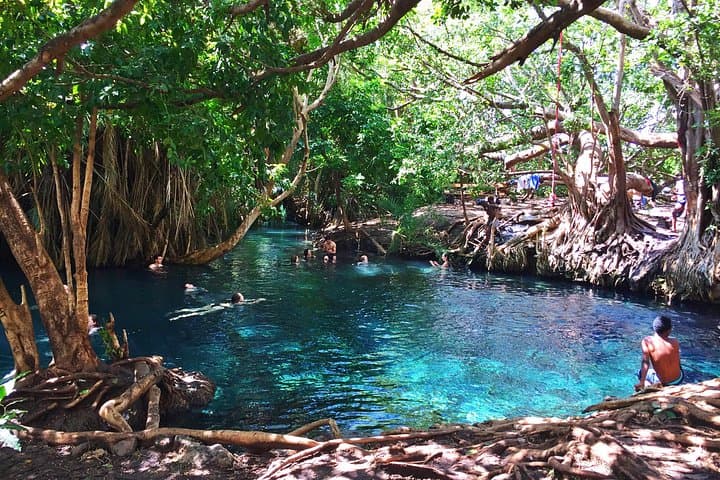
You arrive before noon on a scrubbed dirt lane, Mount Kilimanjaro a pale shoulder on the horizon, and the air carrying the sharp, green smell of recent rains. The day unfolds between a living Maasai boma—rounded huts ringed with livestock—and the surprising cool, blue bowl of Chemka (Kikuletwa) Hot Springs where water pours from the earth into palm-shadowed pools.
Verified experiences and guided adventures in the surrounding area.
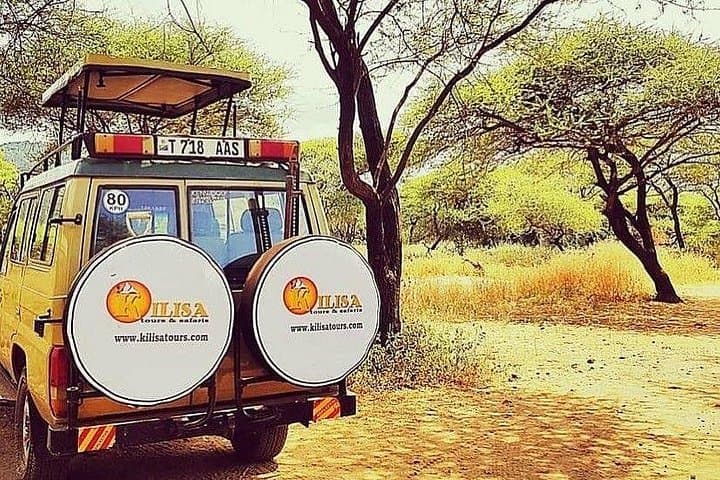
Operated by Kilisa Tours & Safaris · Moshi, Kilimanjaro Region
You arrive before noon on a scrubbed dirt lane, Mount Kilimanjaro a pale shoulder on the horizon, and the air carrying the sharp, green smell of recent rains. The day unfolds between a living Maasai boma—rounded huts ringed with livestock—and the surprising cool, blue bowl of Chemka (Kikuletwa) Hot Springs where water pours from the earth into palm-shadowed pools.
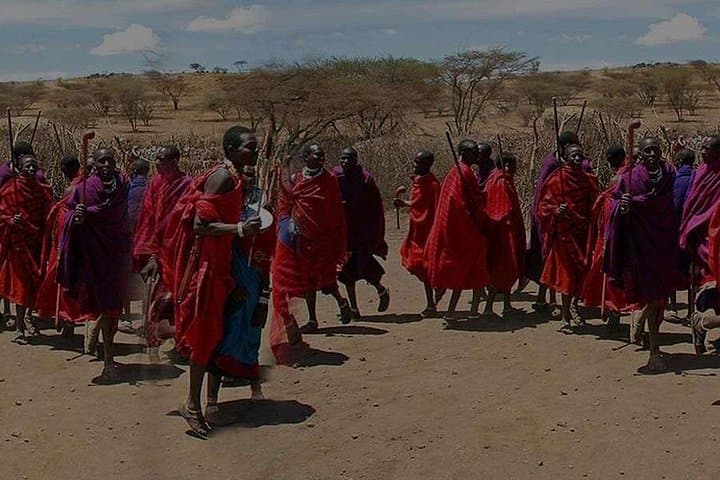
The Maasai in this region are semi-nomadic pastoralists with customs shaped by cattle, age-sets, and long oral histories; visitors are invited to learn beadwork, greetings and fire-making rather than sit behind glass. Geologically the Chemka springs are fed by groundwater heated at shallow depths and emerging through limestone, creating clear, warm pools that support small fish and riverine vegetation. Local guides often weave cultural context—how water rights and grazing cycles shape village life—into the visit.
Practical rhythm: a morning pickup from Moshi, a guided village walk with demonstrations, then a late-afternoon swim and picnic lunch beside the springs. Expect unpaved paths, short stretches of standing water after rain, and shaded resting spots. Bring biodegradable sunscreen, a change of clothes, and cash for small purchases or donations. Respectful photography is appreciated—ask before photographing people or ceremonial items.
Timing and etiquette matter: plan the visit in the cooler morning or late afternoon to avoid heat and to catch active village life. The experience blends cultural exchange with a straightforward, restorative dip in an earthy, aquamarine pool—direct, hands-on, and rooted in place.
Yes—private transport to and from Moshi is included in the day-trip price and timed to the full-day itinerary.
Yes—the springs are suitable for swimming; bring a swimsuit and note that pools are natural with varying depths.
A boxed lunch and bottled drinking water are included, suitable for a riverside picnic after the village visit.
Hosts provide authentic demonstrations of daily life and crafts designed for respectful cultural exchange; participation is encouraged but optional.
Kilisa Tours & Safaris operates guided outdoor trips and adventures with an emphasis on safety, stewardship, and memorable experiences.
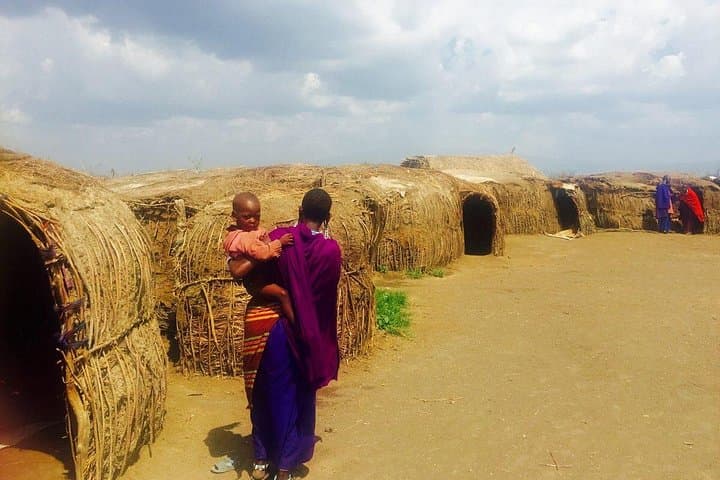
You arrive before noon on a scrubbed dirt lane, Mount Kilimanjaro a pale shoulder on the horizon, and the air carrying the sharp, green smell of recent rains. The day unfolds between a living Maasai boma—rounded huts ringed with livestock—and the surprising cool, blue bowl of Chemka (Kikuletwa) Hot Springs where water pours from the earth into palm-shadowed pools.
You arrive before noon on a scrubbed dirt lane, Mount Kilimanjaro a pale shoulder on the horizon, and the air carrying the sharp, green smell of recent rains. The day unfolds between a living Maasai boma—rounded huts ringed with livestock—and the surprising cool, blue bowl of Chemka (Kikuletwa) Hot Springs where water pours from the earth into palm-shadowed pools.
The Maasai in this region are semi-nomadic pastoralists with customs shaped by cattle, age-sets, and long oral histories; visitors are invited to learn beadwork, greetings and fire-making rather than sit behind glass. Geologically the Chemka springs are fed by groundwater heated at shallow depths and emerging through limestone, creating clear, warm pools that support small fish and riverine vegetation. Local guides often weave cultural context—how water rights and grazing cycles shape village life—into the visit.
Practical rhythm: a morning pickup from Moshi, a guided village walk with demonstrations, then a late-afternoon swim and picnic lunch beside the springs. Expect unpaved paths, short stretches of standing water after rain, and shaded resting spots. Bring biodegradable sunscreen, a change of clothes, and cash for small purchases or donations. Respectful photography is appreciated—ask before photographing people or ceremonial items.
Timing and etiquette matter: plan the visit in the cooler morning or late afternoon to avoid heat and to catch active village life. The experience blends cultural exchange with a straightforward, restorative dip in an earthy, aquamarine pool—direct, hands-on, and rooted in place.
