THE ADVENTURE COLLECTIVE® · Independent discovery and booking for outdoor travel

Leave Nairobi for a seven-hour cultural safari into Maasai country where elders explain pastoral life, you try beadwork and cooking over an open flame, and young warriors demonstrate traditional dances. This hands-on day trip blends history, practical skills and respectful exchange.
Leave Nairobi for a seven-hour cultural safari into Maasai country where elders explain pastoral life, you try beadwork and cooking over an open flame, and young warriors demonstrate traditional dances. This hands-on day trip blends history, practical skills and respectful exchange.
You step out of Nairobi’s bustle and onto the red-soil rangelands; thorny acacia trees shade a village where children’s laughter and a steady drumbeat set the pace. The road narrows, the air feels drier, and the elders who meet you speak with deliberate warmth as they show how people, livestock and land have moved together for generations.
Verified experiences and guided adventures in the surrounding area.
Operated by Wellington Ecotours and Safaris · Kajiado, Kajiado County
You step out of Nairobi’s bustle and onto the red-soil rangelands; thorny acacia trees shade a village where children’s laughter and a steady drumbeat set the pace. The road narrows, the air feels drier, and the elders who meet you speak with deliberate warmth as they show how people, livestock and land have moved together for generations.
The Maasai are one of East Africa’s best-known pastoral cultures. Their territory sits across the southern Kenyan plains and into northern Tanzania; locally the landscape is semi-arid rangeland shaped by seasonal rains and the slow erosion of volcanic highlands to the north. Visit a manyatta and you’ll see construction methods tuned to that environment—fence work of thorn and earth, and domed huts built for quick repair.
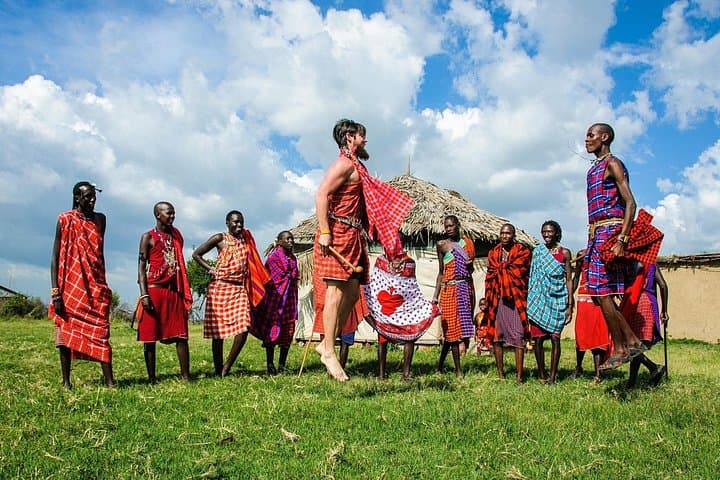
This tour centers on hands-on cultural exchange: herding cattle, wearing the shuka, learning beadwork patterns and hearing oral histories about rites of passage. Expect demonstrations of traditional songs and the high-jump dances performed by young warriors, and a simple lunch cooked over open flame with Maasai mothers.
Practical guidance: the day is about seven hours with light walking on uneven dirt tracks; wear sturdy closed-toe shoes, sun protection and bring water. Photography is allowed but ask first—many exchanges are transactional and respectful consent matters. Carry small Kenyan shillings if you wish to buy beadwork. The visit supports community income and offers a clear window into pastoral life—arrive curious, respectful, and ready to learn.
Most village visits are a 60–120 minute drive depending on traffic and the specific community; the full experience takes about seven hours door-to-door.
A traditional lunch prepared by village families is usually included—expect simple, locally sourced fare cooked over an open flame.
Yes; the program involves light activity and is listed as accessible for varied fitness levels, though terrain can be uneven.
Yes; buying directly supports households—bring small bills and agree on prices respectfully before purchasing.
Wellington Ecotours and Safaris operates guided outdoor trips and adventures with an emphasis on safety, stewardship, and memorable experiences.


You step out of Nairobi’s bustle and onto the red-soil rangelands; thorny acacia trees shade a village where children’s laughter and a steady drumbeat set the pace. The road narrows, the air feels drier, and the elders who meet you speak with deliberate warmth as they show how people, livestock and land have moved together for generations.
You step out of Nairobi’s bustle and onto the red-soil rangelands; thorny acacia trees shade a village where children’s laughter and a steady drumbeat set the pace. The road narrows, the air feels drier, and the elders who meet you speak with deliberate warmth as they show how people, livestock and land have moved together for generations.
The Maasai are one of East Africa’s best-known pastoral cultures. Their territory sits across the southern Kenyan plains and into northern Tanzania; locally the landscape is semi-arid rangeland shaped by seasonal rains and the slow erosion of volcanic highlands to the north. Visit a manyatta and you’ll see construction methods tuned to that environment—fence work of thorn and earth, and domed huts built for quick repair.
This tour centers on hands-on cultural exchange: herding cattle, wearing the shuka, learning beadwork patterns and hearing oral histories about rites of passage. Expect demonstrations of traditional songs and the high-jump dances performed by young warriors, and a simple lunch cooked over open flame with Maasai mothers.
Practical guidance: the day is about seven hours with light walking on uneven dirt tracks; wear sturdy closed-toe shoes, sun protection and bring water. Photography is allowed but ask first—many exchanges are transactional and respectful consent matters. Carry small Kenyan shillings if you wish to buy beadwork. The visit supports community income and offers a clear window into pastoral life—arrive curious, respectful, and ready to learn.