THE ADVENTURE COLLECTIVE® · Independent discovery and booking for outdoor travel

Spend a day with the Maasai people near Nairobi learning beadwork, spear-throwing and age-set traditions in a private Manyatta visit. This 6–7 hour cultural tour pairs hands-on demonstrations with a cattle market stop and community-supported conservation.
Spend a day with the Maasai people near Nairobi learning beadwork, spear-throwing and age-set traditions in a private Manyatta visit. This 6–7 hour cultural tour pairs hands-on demonstrations with a cattle market stop and community-supported conservation.
The sun is low over the red soil as a minivan leaves Nairobi and the landscape opens into wide, scrubby plains where acacia silhouettes puncture the horizon. You step into a Manyatta — a cluster of reed-and-mud homes — and the day becomes a paced exchange of skills, stories and work.
Verified experiences and guided adventures in the surrounding area.
Operated by Safari Port · Nairobi, Nairobi County
The sun is low over the red soil as a minivan leaves Nairobi and the landscape opens into wide, scrubby plains where acacia silhouettes puncture the horizon. You step into a Manyatta — a cluster of reed-and-mud homes — and the day becomes a paced exchange of skills, stories and work.
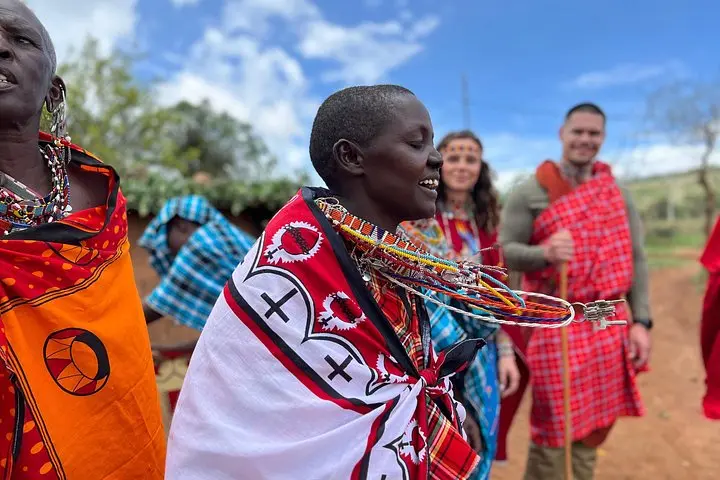
The Maasai (Maa) people have kept a distinct social order and material culture across southern Kenya and northern Tanzania since the 17th–18th centuries. Their relationship with the land is visible in everything here: deliberate cattle grazing patterns that shape grassland ecology, beadwork signaling age sets and status, and herbal knowledge handed down for generations.
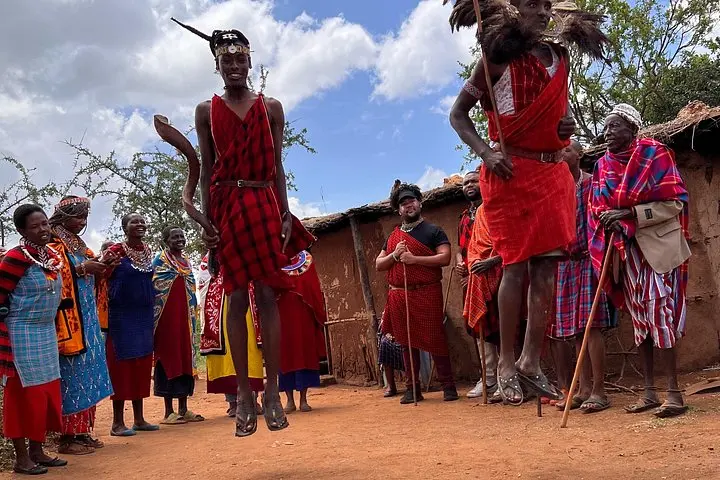
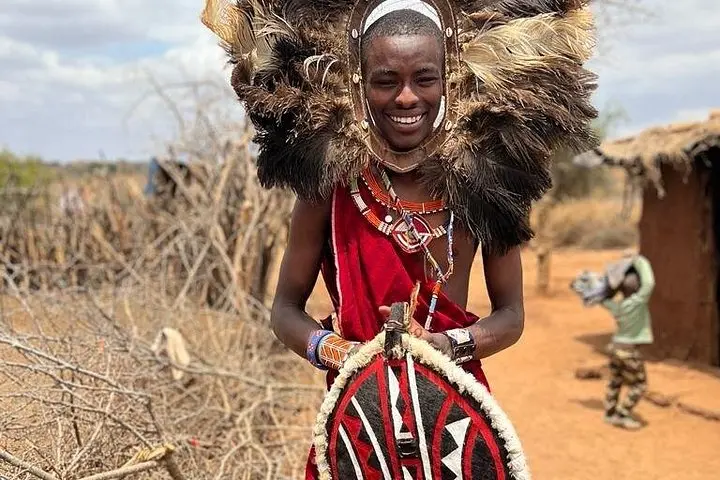
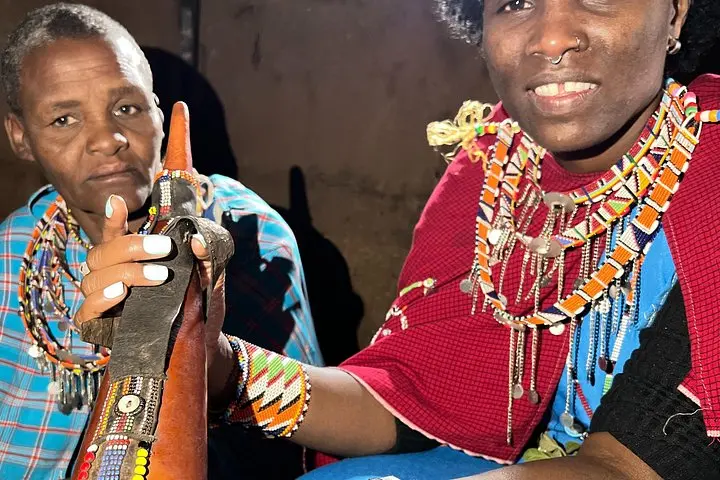
Geology is quiet company — low volcanic ridges and iron-rich soils that give the earth its rust color. Culture is louder: women weaving necklaces and bracelets with rhythmic focus, elders describing age-set roles, and young men demonstrating spear-throwing technique. A stop at a local cattle market frames the practical side of Maasai life; livestock remains the economic pulse.
Practically, expect uneven footpaths, close-up interaction, and a structured itinerary of demonstrations, a market visit and a shared lunch. Photography is welcome but ask first. Wear sturdy closed shoes, sun protection and bring water for the six-to-seven-hour outing. The tour channels visitor fees into community projects, so participation supports local livelihoods as well as cultural preservation.
This is a day of learning by doing — watching, attempting beadwork, and listening to stories that have shaped Maasai identity for centuries. Leave time to talk with guides about conservation, and to consider how tourism can be both respectful and sustaining.
The tour runs approximately 6–7 hours, including pickup from Nairobi, village visits, a market stop and lunch.
Yes; the itinerary is family-friendly but children should be supervised during demonstrations and around livestock.
A coffee stop and a lunch break are included as part of the tour package.
Yes; part of the tour fees are directed to the visited community to support local projects and livelihoods.
Safari Port operates guided outdoor trips and adventures with an emphasis on safety, stewardship, and memorable experiences.
The sun is low over the red soil as a minivan leaves Nairobi and the landscape opens into wide, scrubby plains where acacia silhouettes puncture the horizon. You step into a Manyatta — a cluster of reed-and-mud homes — and the day becomes a paced exchange of skills, stories and work.
The sun is low over the red soil as a minivan leaves Nairobi and the landscape opens into wide, scrubby plains where acacia silhouettes puncture the horizon. You step into a Manyatta — a cluster of reed-and-mud homes — and the day becomes a paced exchange of skills, stories and work.
The Maasai (Maa) people have kept a distinct social order and material culture across southern Kenya and northern Tanzania since the 17th–18th centuries. Their relationship with the land is visible in everything here: deliberate cattle grazing patterns that shape grassland ecology, beadwork signaling age sets and status, and herbal knowledge handed down for generations.
Geology is quiet company — low volcanic ridges and iron-rich soils that give the earth its rust color. Culture is louder: women weaving necklaces and bracelets with rhythmic focus, elders describing age-set roles, and young men demonstrating spear-throwing technique. A stop at a local cattle market frames the practical side of Maasai life; livestock remains the economic pulse.
Practically, expect uneven footpaths, close-up interaction, and a structured itinerary of demonstrations, a market visit and a shared lunch. Photography is welcome but ask first. Wear sturdy closed shoes, sun protection and bring water for the six-to-seven-hour outing. The tour channels visitor fees into community projects, so participation supports local livelihoods as well as cultural preservation.
This is a day of learning by doing — watching, attempting beadwork, and listening to stories that have shaped Maasai identity for centuries. Leave time to talk with guides about conservation, and to consider how tourism can be both respectful and sustaining.