THE ADVENTURE COLLECTIVE® · Independent discovery and booking for outdoor travel

Spend a day with Maasai families outside Morogoro—join traditional dances, learn beadwork, and observe pastoral life shaped by cattle and seasonal grazing. This hands-on cultural visit combines a long scenic drive with authentic village interaction.
Spend a day with Maasai families outside Morogoro—join traditional dances, learn beadwork, and observe pastoral life shaped by cattle and seasonal grazing. This hands-on cultural visit combines a long scenic drive with authentic village interaction.
Dust lifts off the red earth as the 4WD eases onto a rough track and the silhouette of beaded shukas and tall acacia trees snaps into view. You step out into a village where cattle paths still shape the day and children call out in Maa. The air smells of smoke and fresh milk; the sound of chant and clap pulls you toward a circle where elders and young men demonstrate jumping dances that sharpen into rhythm.
Verified experiences and guided adventures in the surrounding area.
Operated by KURUMBIZI TOURS & SAFARIS · Morogoro, Morogoro Region
Dust lifts off the red earth as the 4WD eases onto a rough track and the silhouette of beaded shukas and tall acacia trees snaps into view. You step out into a village where cattle paths still shape the day and children call out in Maa. The air smells of smoke and fresh milk; the sound of chant and clap pulls you toward a circle where elders and young men demonstrate jumping dances that sharpen into rhythm.
The Maasai are an East African pastoral people whose presence across southern Kenya and northern Tanzania stretches back centuries. Their life revolves around cattle, seasonal grazing, and a complex system of age-sets that governs rites of passage. In the plains around Morogoro the geology is gentle—rolling miombo woodlands and eroded red soils—so villages sit where water and pasture meet, shaping settlement patterns and seasonal movement.
Expect a practical cultural exchange more than a performance: you’ll meet families, hear oral histories, learn about beadwork and livestock care, and may be invited into a homestead. Guides typically explain customs and appropriate behavior; modest dress and asking before photographs are standard courtesies.
Practical guidance: the trip is long (several hours of driving round-trip) and partly on uneven ground — wear sturdy shoes, bring sun protection and at least 2 liters of water, and pack small bills for community donations or purchases of handicrafts. Aim to arrive early for the clearest light and the most active village routines. Respect privacy, follow your guide’s lead, and remember this is a living community more than a stage — your best souvenir is a careful, curious presence.
Expect a 2–3 hour drive each way depending on road conditions; the full excursion usually takes most of the day (6–8 hours).
Most tours include bottled water and sometimes a simple local meal or snack, but bringing extra food or snacks is advisable if you have dietary needs.
Yes, but families with very young children or people with limited mobility should be aware of long travel times, uneven terrain, and limited facilities at village sites.
Yes—handmade beadwork and small crafts are commonly available; buying directly from artisans supports local income and is preferred over unsolicited gifts.
KURUMBIZI TOURS & SAFARIS operates guided outdoor trips and adventures with an emphasis on safety, stewardship, and memorable experiences.
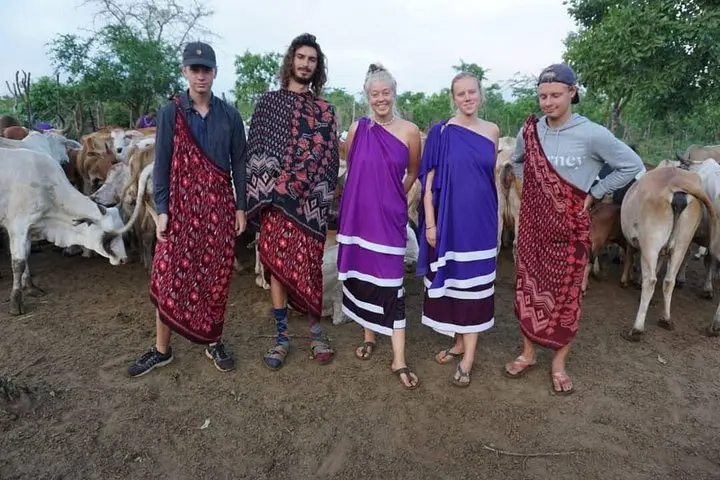
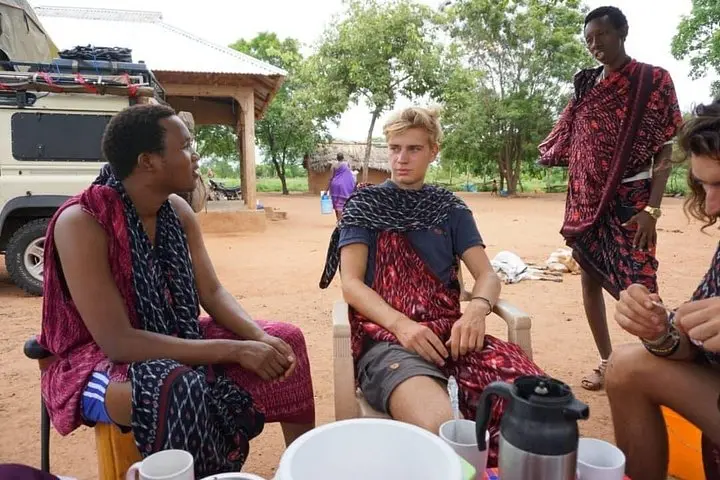
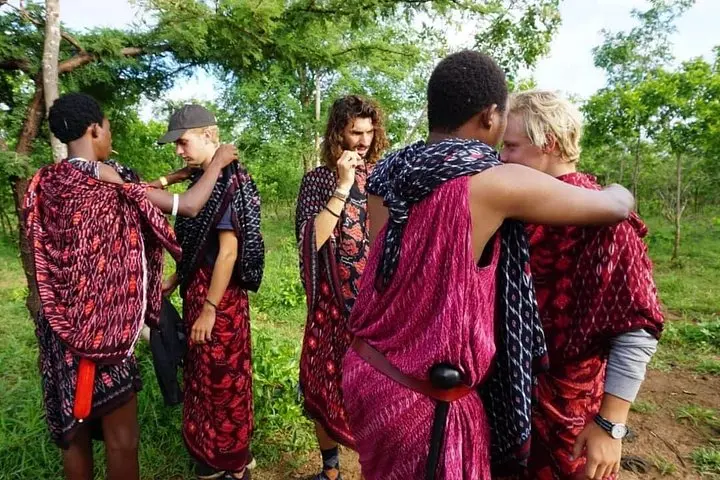
Dust lifts off the red earth as the 4WD eases onto a rough track and the silhouette of beaded shukas and tall acacia trees snaps into view. You step out into a village where cattle paths still shape the day and children call out in Maa. The air smells of smoke and fresh milk; the sound of chant and clap pulls you toward a circle where elders and young men demonstrate jumping dances that sharpen into rhythm.
Dust lifts off the red earth as the 4WD eases onto a rough track and the silhouette of beaded shukas and tall acacia trees snaps into view. You step out into a village where cattle paths still shape the day and children call out in Maa. The air smells of smoke and fresh milk; the sound of chant and clap pulls you toward a circle where elders and young men demonstrate jumping dances that sharpen into rhythm.
The Maasai are an East African pastoral people whose presence across southern Kenya and northern Tanzania stretches back centuries. Their life revolves around cattle, seasonal grazing, and a complex system of age-sets that governs rites of passage. In the plains around Morogoro the geology is gentle—rolling miombo woodlands and eroded red soils—so villages sit where water and pasture meet, shaping settlement patterns and seasonal movement.
Expect a practical cultural exchange more than a performance: you’ll meet families, hear oral histories, learn about beadwork and livestock care, and may be invited into a homestead. Guides typically explain customs and appropriate behavior; modest dress and asking before photographs are standard courtesies.
Practical guidance: the trip is long (several hours of driving round-trip) and partly on uneven ground — wear sturdy shoes, bring sun protection and at least 2 liters of water, and pack small bills for community donations or purchases of handicrafts. Aim to arrive early for the clearest light and the most active village routines. Respect privacy, follow your guide’s lead, and remember this is a living community more than a stage — your best souvenir is a careful, curious presence.