THE ADVENTURE COLLECTIVE® · Independent discovery and booking for outdoor travel

Spend a day on Kilimanjaro’s lower slopes visiting a Maasai community, joining a Chagga coffee ritual, and hiking to an 80‑meter cascade. This private full‑day tour mixes cultural exchange with forested trails and one of the region’s best mountain views.
Spend a day on Kilimanjaro’s lower slopes visiting a Maasai community, joining a Chagga coffee ritual, and hiking to an 80‑meter cascade. This private full‑day tour mixes cultural exchange with forested trails and one of the region’s best mountain views.
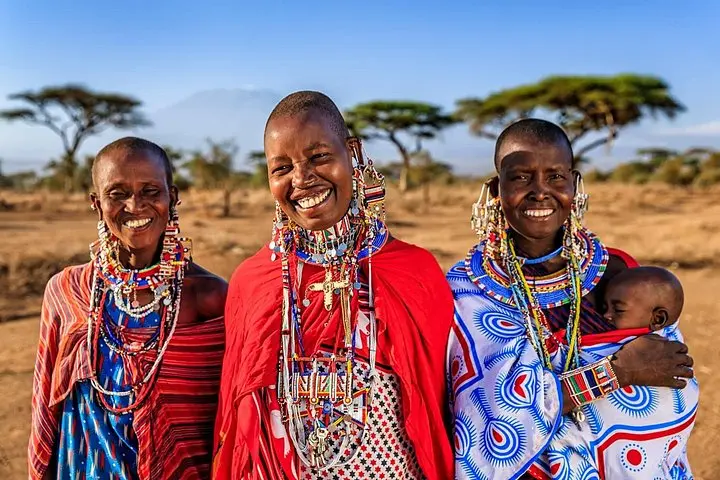
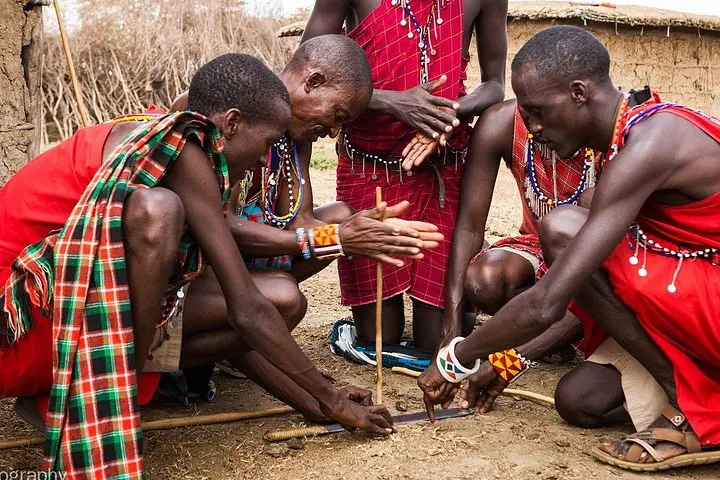
You arrive before the village wakes: a low-throated light spreads across the foothills of Kilimanjaro and the road breathes mist. The day opens with red-dusted plains and a driver who knows every goat track as if it were a back road. By midmorning the ritual begins — a Maasai welcome song, the clack of beads and the steady, earthy steam of coffee roasting in a tin pot — and the mountain hangs above it all, sometimes shy, sometimes full-faced.
Verified experiences and guided adventures in the surrounding area.
Operated by Africa Pathways Expeditions · Moshi, Kilimanjaro Region
You arrive before the village wakes: a low-throated light spreads across the foothills of Kilimanjaro and the road breathes mist. The day opens with red-dusted plains and a driver who knows every goat track as if it were a back road. By midmorning the ritual begins — a Maasai welcome song, the clack of beads and the steady, earthy steam of coffee roasting in a tin pot — and the mountain hangs above it all, sometimes shy, sometimes full-faced.
This is a day designed to shift perspective. The Maasai portion of the visit is an encounter with a living pastoral culture that still moves with cattle and ceremonies; it’s also an account of change, where solar panels and schoolbooks meet traditional rites. The Chagga people of Materuni, who live on the wetter slopes closer to Kilimanjaro National Park, are agriculturists with terraced plots and centuries of coffee knowledge. Geologically, you’re on the ancient flanks of a volcanic massif — rich volcanic soils feed banana groves and the coffee gardens that slope toward the forest.
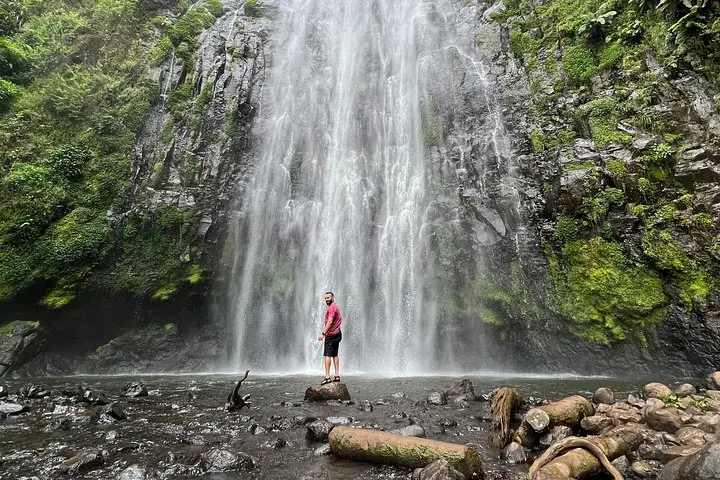
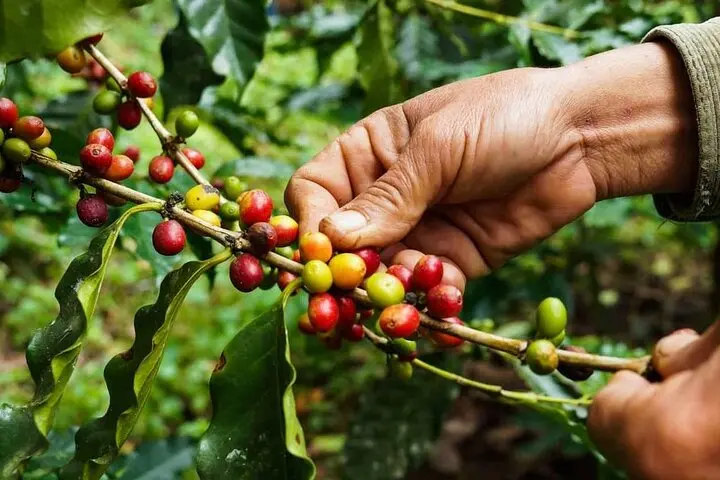
Culturally the tour threads two worlds. Maasai dancers demonstrate endurance in rhythm and a vocal cadence that reads like oral history; in Materuni village you step into a Chagga home for a hot traditional lunch and learn to pound, grind and brew coffee the old way — each stage narrated by local guides who have been turning beans for decades. The trail to Materuni Waterfalls cuts through farmland and montane forest and opens onto an 80-meter cascade that, when it falls, seems to sharpen the air. The falls demand patience: the path can be muddy, the rocks willing to test your balance, and the view of Kilimanjaro is a reward on clear days.
Practical edge: this is a full-day private tour — expect about 10–12 hours between pickup and drop-off. Wear grippy hiking shoes and a lightweight rain jacket even if the forecast looks dry; the microclimate here changes faster than the summit. Bring cash for village contributions and small purchases — these visits are community-run and benefits go directly to hosts. Hydrate before you hike and pack a small daypack with snacks; bottled water and a hot lunch are included, but the trail will ask more of you than a paved walk.
Timing matters. Early starts maximize mountain views and cooler temperatures on the trail; afternoons bring clouds up the slopes. Photograph sensitively: ask permission before snapping portraits. Finally, treat both the people and the watershed with care — this landscape supports farms, families and the groundwater that feeds the falls. Leave no trace, and the villages will keep teaching the next traveller what they taught you.
The walk from Materuni village to the falls takes about 45–60 minutes each way depending on pace and trail conditions.
You often can on clear mornings; cloud cover in the afternoon can obscure the peak, so early starts give the best chance.
Yes, but moderate fitness is required for the trail; let the operator know any mobility concerns so they can adjust the itinerary.
Yes—hot traditional lunch and bottled water are included in the tour price.
No special permit is required for village visits, but carry ID for pickup and any airport transfers; visits are community-managed and contributions are encouraged.
Guides typically speak English and Swahili; request a translator if you need another language when booking.
Africa Pathways Expeditions operates guided outdoor trips and adventures with an emphasis on safety, stewardship, and memorable experiences.
You arrive before the village wakes: a low-throated light spreads across the foothills of Kilimanjaro and the road breathes mist. The day opens with red-dusted plains and a driver who knows every goat track as if it were a back road. By midmorning the ritual begins — a Maasai welcome song, the clack of beads and the steady, earthy steam of coffee roasting in a tin pot — and the mountain hangs above it all, sometimes shy, sometimes full-faced.
You arrive before the village wakes: a low-throated light spreads across the foothills of Kilimanjaro and the road breathes mist. The day opens with red-dusted plains and a driver who knows every goat track as if it were a back road. By midmorning the ritual begins — a Maasai welcome song, the clack of beads and the steady, earthy steam of coffee roasting in a tin pot — and the mountain hangs above it all, sometimes shy, sometimes full-faced.
This is a day designed to shift perspective. The Maasai portion of the visit is an encounter with a living pastoral culture that still moves with cattle and ceremonies; it’s also an account of change, where solar panels and schoolbooks meet traditional rites. The Chagga people of Materuni, who live on the wetter slopes closer to Kilimanjaro National Park, are agriculturists with terraced plots and centuries of coffee knowledge. Geologically, you’re on the ancient flanks of a volcanic massif — rich volcanic soils feed banana groves and the coffee gardens that slope toward the forest.
Culturally the tour threads two worlds. Maasai dancers demonstrate endurance in rhythm and a vocal cadence that reads like oral history; in Materuni village you step into a Chagga home for a hot traditional lunch and learn to pound, grind and brew coffee the old way — each stage narrated by local guides who have been turning beans for decades. The trail to Materuni Waterfalls cuts through farmland and montane forest and opens onto an 80-meter cascade that, when it falls, seems to sharpen the air. The falls demand patience: the path can be muddy, the rocks willing to test your balance, and the view of Kilimanjaro is a reward on clear days.
Practical edge: this is a full-day private tour — expect about 10–12 hours between pickup and drop-off. Wear grippy hiking shoes and a lightweight rain jacket even if the forecast looks dry; the microclimate here changes faster than the summit. Bring cash for village contributions and small purchases — these visits are community-run and benefits go directly to hosts. Hydrate before you hike and pack a small daypack with snacks; bottled water and a hot lunch are included, but the trail will ask more of you than a paved walk.
Timing matters. Early starts maximize mountain views and cooler temperatures on the trail; afternoons bring clouds up the slopes. Photograph sensitively: ask permission before snapping portraits. Finally, treat both the people and the watershed with care — this landscape supports farms, families and the groundwater that feeds the falls. Leave no trace, and the villages will keep teaching the next traveller what they taught you.