THE ADVENTURE COLLECTIVE® · Independent discovery and booking for outdoor travel

Walk Maastricht from the Sint Servaas bridge to tucked‑away courtyards on a private, customizable tour that highlights Roman roots, Vauban fortifications and industrial heritage. Ideal for visitors who want context and local stories alongside the city’s highlights.
Walk Maastricht from the Sint Servaas bridge to tucked‑away courtyards on a private, customizable tour that highlights Roman roots, Vauban fortifications and industrial heritage. Ideal for visitors who want context and local stories alongside the city’s highlights.
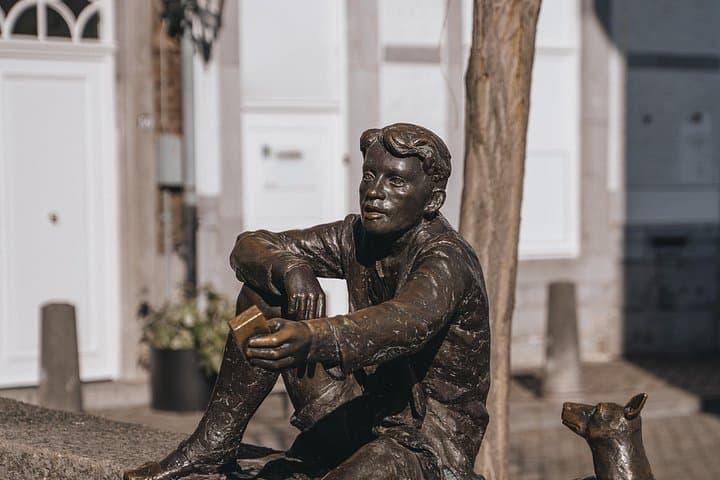
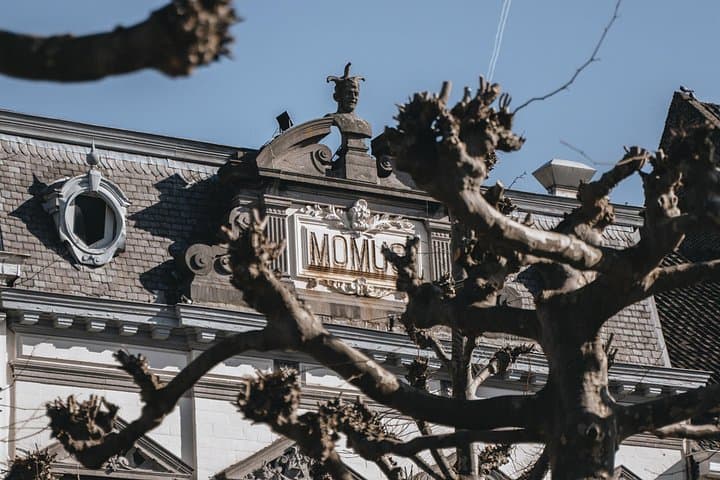
You step off the Sint Servaas bridge and the Maas seems to dare you to slow down: boats drift, pigeons wheel, and limestone facades catch the low light. The guide leads through cobbled lanes where Roman foundations meet 17th‑century ramparts, and the city’s layered past reveals itself in doorways, plaques and market chatter.
Verified experiences and guided adventures in the surrounding area.
Operated by Maastricht Guide · Maastricht, Limburg
You step off the Sint Servaas bridge and the Maas seems to dare you to slow down: boats drift, pigeons wheel, and limestone facades catch the low light. The guide leads through cobbled lanes where Roman foundations meet 17th‑century ramparts, and the city’s layered past reveals itself in doorways, plaques and market chatter.
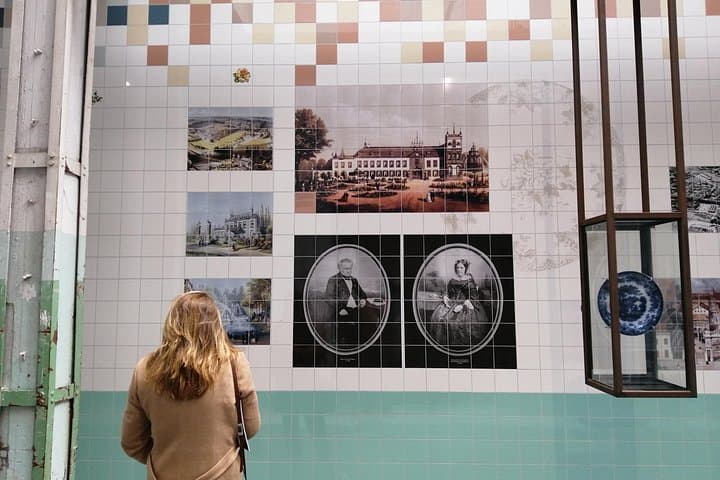
Maastricht began as a Roman river crossing and grew into a strategic frontier town; remnants of Vauban‑era fortifications, the medieval Helpoort gate and the enduring Sint Servaas church trace that arc. Geology shapes the city too — marl and chalk quarried from the surrounding hills built houses and cellars, and the old Sphinx factory stands as industrial counterpoint to the baroque squares.
Culturally, Maastricht is a border city: Dutch, French and Walloon influences mix in dialects, cuisine and public life. Neighborhoods like the Jekerkwartier preserve quieter riverside alleys and mill buildings, while the Stokstraatkwartier shows off restored courtyards and boutique shops.
Practicalities are straightforward. Tours are private and adaptable — standard walks run about two hours but can be extended. Expect uneven cobbles and short stair sections, so wear grippy shoes and layer for sudden rain. Mornings and late afternoons are best for softer light and thinner crowds; markets spike activity on weekends. Mobile tickets are accepted and the route uses public‑transport hubs for easy arrival and exit.
Bring a refillable bottle, a small pack for a jacket, and a sense of curiosity: this tour is less about ticking monuments and more about reading a city shaped by rivers, stone and people.
The operator notes wheelchair accessibility but some historic sites or steps may require route adjustments—confirm mobility needs when booking.
Yes, tours are private and can be adapted to your interests and schedule within the allotted time.
Standard bookings are around two hours but guides can extend or shorten the itinerary on request.
Full refunds are available if you cancel at least 24 hours before the scheduled departure; check the operator’s policy for specifics.
Maastricht Guide operates guided outdoor trips and adventures with an emphasis on safety, stewardship, and memorable experiences.

You step off the Sint Servaas bridge and the Maas seems to dare you to slow down: boats drift, pigeons wheel, and limestone facades catch the low light. The guide leads through cobbled lanes where Roman foundations meet 17th‑century ramparts, and the city’s layered past reveals itself in doorways, plaques and market chatter.
You step off the Sint Servaas bridge and the Maas seems to dare you to slow down: boats drift, pigeons wheel, and limestone facades catch the low light. The guide leads through cobbled lanes where Roman foundations meet 17th‑century ramparts, and the city’s layered past reveals itself in doorways, plaques and market chatter.
Maastricht began as a Roman river crossing and grew into a strategic frontier town; remnants of Vauban‑era fortifications, the medieval Helpoort gate and the enduring Sint Servaas church trace that arc. Geology shapes the city too — marl and chalk quarried from the surrounding hills built houses and cellars, and the old Sphinx factory stands as industrial counterpoint to the baroque squares.
Culturally, Maastricht is a border city: Dutch, French and Walloon influences mix in dialects, cuisine and public life. Neighborhoods like the Jekerkwartier preserve quieter riverside alleys and mill buildings, while the Stokstraatkwartier shows off restored courtyards and boutique shops.
Practicalities are straightforward. Tours are private and adaptable — standard walks run about two hours but can be extended. Expect uneven cobbles and short stair sections, so wear grippy shoes and layer for sudden rain. Mornings and late afternoons are best for softer light and thinner crowds; markets spike activity on weekends. Mobile tickets are accepted and the route uses public‑transport hubs for easy arrival and exit.
Bring a refillable bottle, a small pack for a jacket, and a sense of curiosity: this tour is less about ticking monuments and more about reading a city shaped by rivers, stone and people.