THE ADVENTURE COLLECTIVE® · Independent discovery and booking for outdoor travel

Glide papyrus-lined channels at sunrise in a private canoe to find Uganda’s iconic shoebill and a chorus of wetland birds. This six-hour Mabamba Swamp tour pairs intimate wildlife viewing with local guiding expertise—ideal for photographers and serious birders.
Glide papyrus-lined channels at sunrise in a private canoe to find Uganda’s iconic shoebill and a chorus of wetland birds. This six-hour Mabamba Swamp tour pairs intimate wildlife viewing with local guiding expertise—ideal for photographers and serious birders.
Dawn lifts slowly over the reeds as a wooden canoe parts the mirrored channels of Mabamba Swamp. The air is cool, humid, and full of bird song; papyrus stalks brush the gunwale while your guide scans for the bulked silhouette of the shoebill—an imposing, prehistoric profile that commands the water.
Verified experiences and guided adventures in the surrounding area.
Operated by Ihamba Adventures · Entebbe, Wakiso District
Dawn lifts slowly over the reeds as a wooden canoe parts the mirrored channels of Mabamba Swamp. The air is cool, humid, and full of bird song; papyrus stalks brush the gunwale while your guide scans for the bulked silhouette of the shoebill—an imposing, prehistoric profile that commands the water.
Mabamba sits on the northwestern edge of Lake Victoria, a low-lying wetland shaped by sediment and seasonal lake level shifts. Historically the swamp has supported fishing communities and riverine agriculture; its reed beds and shallow channels are critical habitat for several endemic and migratory bird species. Local guiding traditions draw on a long relationship with this landscape—knowledge of channels, feeding flats and the shoebill’s quiet patience.
Expect a slow, observational pace: the trip is a water-based wildlife encounter rather than a hike. The terrain is flat and marshy; most movement is by guided canoe in narrow streams between papyrus and water lilies. Photographers will find close, portrait-style opportunities when birds hunt along the banks, while quieter moments reveal kingfishers, herons and the occasional swamp-dwelling otter.
Practical guidance: plan an early-morning start for calm water and active birds, bring insect repellent, a lightweight waterproof layer and binoculars with a 8–12x range. Guides handle paddling and local logistics, but wear non-slip shoes and protect gear from spray. Respect nesting areas, follow your guide’s distance advice for shoebills, and carry cash for local tips—this private, six-hour tour usually includes transport from Entebbe or Kampala but check pickup details in advance.
Sightings are common but not guaranteed; early-morning private excursions with experienced guides maximize chances by focusing on known feeding spots.
Most operators offer pickup from Entebbe or Kampala—confirm your exact pickup point and time when booking.
Yes—this is low-impact and family-friendly, but inform the operator of mobility concerns so they can arrange suitable boarding assistance.
Guides typically handle access and local fees; carry small cash for park or community levies if requested.
Ihamba Adventures operates guided outdoor trips and adventures with an emphasis on safety, stewardship, and memorable experiences.
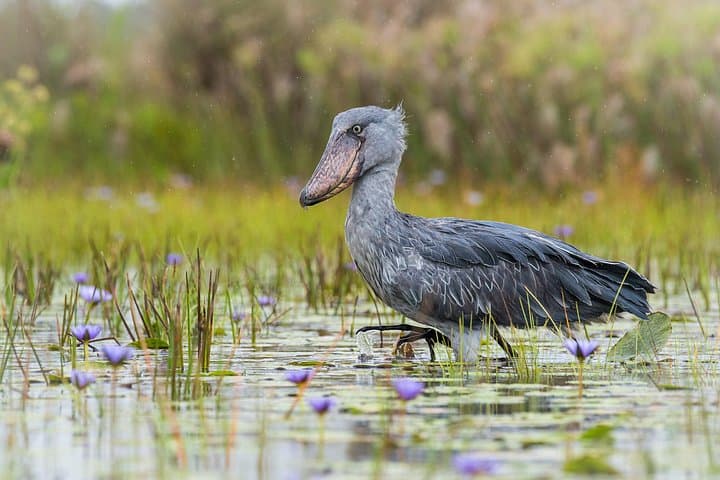
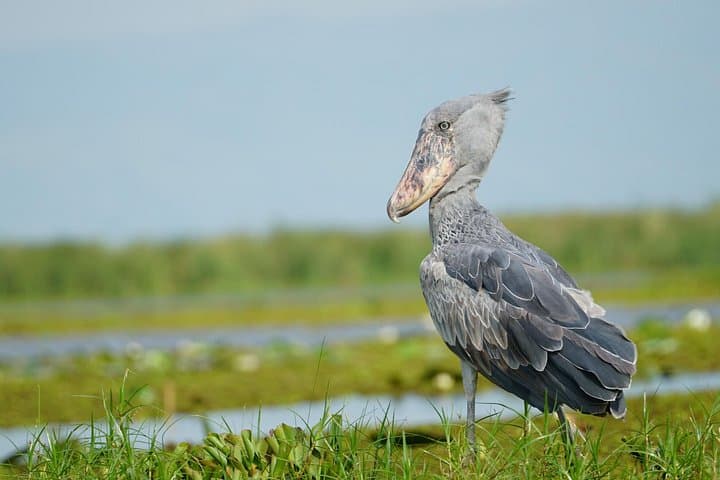
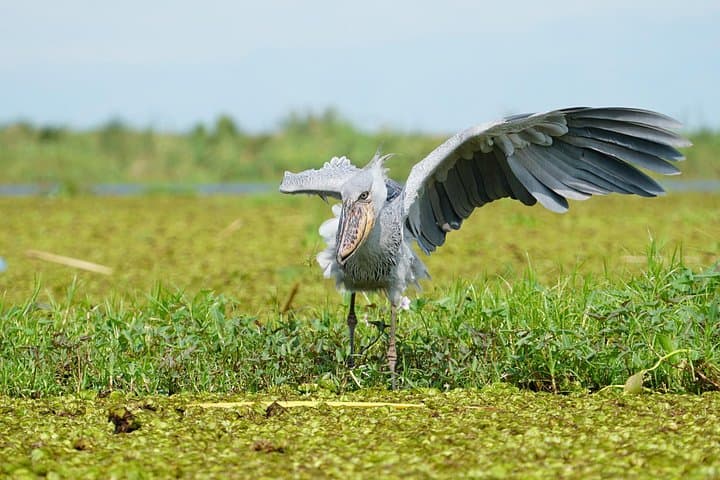
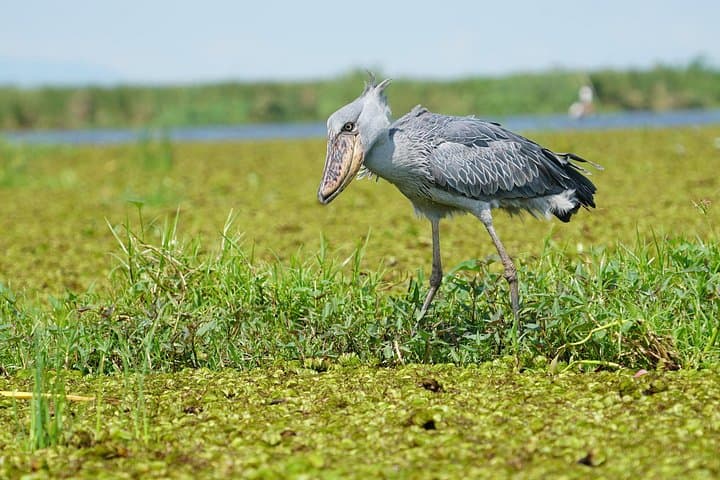
Dawn lifts slowly over the reeds as a wooden canoe parts the mirrored channels of Mabamba Swamp. The air is cool, humid, and full of bird song; papyrus stalks brush the gunwale while your guide scans for the bulked silhouette of the shoebill—an imposing, prehistoric profile that commands the water.
Dawn lifts slowly over the reeds as a wooden canoe parts the mirrored channels of Mabamba Swamp. The air is cool, humid, and full of bird song; papyrus stalks brush the gunwale while your guide scans for the bulked silhouette of the shoebill—an imposing, prehistoric profile that commands the water.
Mabamba sits on the northwestern edge of Lake Victoria, a low-lying wetland shaped by sediment and seasonal lake level shifts. Historically the swamp has supported fishing communities and riverine agriculture; its reed beds and shallow channels are critical habitat for several endemic and migratory bird species. Local guiding traditions draw on a long relationship with this landscape—knowledge of channels, feeding flats and the shoebill’s quiet patience.
Expect a slow, observational pace: the trip is a water-based wildlife encounter rather than a hike. The terrain is flat and marshy; most movement is by guided canoe in narrow streams between papyrus and water lilies. Photographers will find close, portrait-style opportunities when birds hunt along the banks, while quieter moments reveal kingfishers, herons and the occasional swamp-dwelling otter.
Practical guidance: plan an early-morning start for calm water and active birds, bring insect repellent, a lightweight waterproof layer and binoculars with a 8–12x range. Guides handle paddling and local logistics, but wear non-slip shoes and protect gear from spray. Respect nesting areas, follow your guide’s distance advice for shoebills, and carry cash for local tips—this private, six-hour tour usually includes transport from Entebbe or Kampala but check pickup details in advance.