THE ADVENTURE COLLECTIVE® · Independent discovery and booking for outdoor travel
Glide through papyrus channels on Lake Victoria’s edge to seek the rare shoebill stork. This guided canoe tour from Entebbe blends close wildlife encounters with practical tips for photographers and first-time birders.
Glide through papyrus channels on Lake Victoria’s edge to seek the rare shoebill stork. This guided canoe tour from Entebbe blends close wildlife encounters with practical tips for photographers and first-time birders.
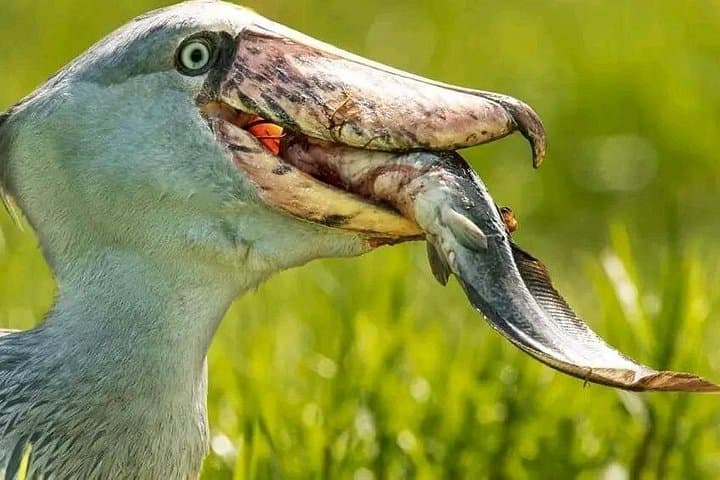
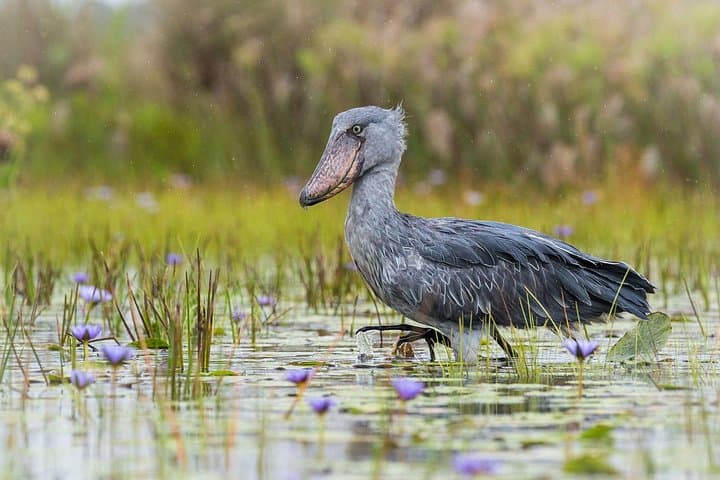
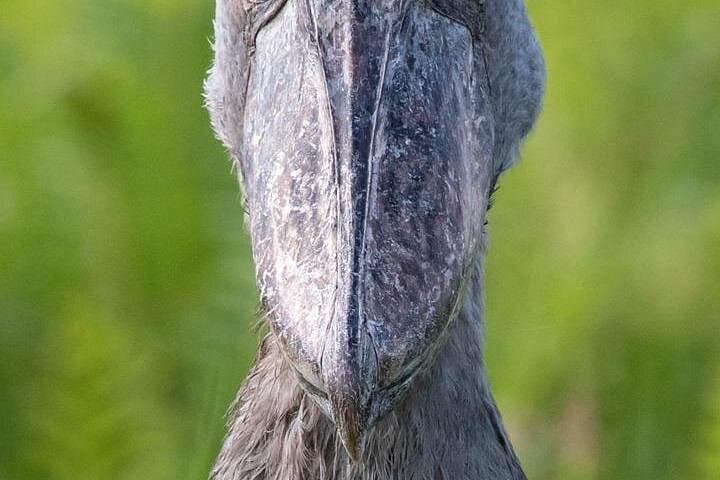
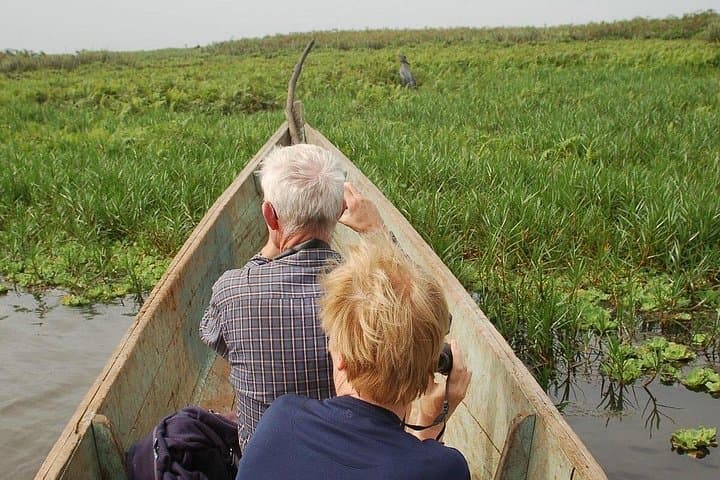
A low, papyrus-fringed channel parts like a dark green hallway and the canoe slips forward with only the paddle’s whisper. Early light drapes over Lake Victoria and the air smells of wet earth; somewhere ahead a silhouette—huge, prehistoric—stands statue-still: the shoebill.
Verified experiences and guided adventures in the surrounding area.
Operated by TWIJA AFRICA SAFARIS · Entebbe, Wakiso District
A low, papyrus-fringed channel parts like a dark green hallway and the canoe slips forward with only the paddle’s whisper. Early light drapes over Lake Victoria and the air smells of wet earth; somewhere ahead a silhouette—huge, prehistoric—stands statue-still: the shoebill.
Mabamba Swamp, west of Entebbe on Lake Victoria, is a remnant wetland fed by seasonal rains and the lake’s edge. Its papyrus beds and shallow lagoons formed over millennia from silt and decaying vegetation, and today support more than 260 bird species. The area has long been used by local fishing communities; guided canoe trips evolved from utilitarian travel into specialist birdwatching outings as ornithologists and photographers arrived seeking rare species. Guides from nearby villages combine boat-handling skill with intimate knowledge of seasonal bird patterns.
Expect close, slow-moving boat approaches through narrow channels where the shoebill favours reed-lined pools and stands motionless while hunting. The tour balances quiet observation with short walks along muddy edges; light rain or sun changes the swamp’s mood and bird activity.
Practical guidance: book morning departures for the best chance at active shoebills and calmer water. Wear quick-dry layers, insect repellent, and a brimmed hat; bring binoculars, a telephoto lens if photographing, and waterproof footwear for brief shore stops. Hotel pickup from Kampala or Entebbe is commonly included—confirm pickup details and carry bottled water. Respect local guides’ instructions to minimize disturbance to nesting birds and fragile papyrus beds.
Shoebills are uncommon but regularly seen from quiet, guided canoe approaches in Mabamba; morning tours increase chances but sightings cannot be guaranteed.
Canoes are operated by experienced local boatmen; life jackets are typically provided but check availability beforehand—non-swimmers should remain seated and follow the guide’s safety instructions.
Bottled water is usually included; meals are not typically provided—confirm with the operator about refreshments or bring snacks for the day.
Pickup from Entebbe hotels is short (30–60 minutes); transfers from Kampala take about 45–90 minutes depending on traffic—check the tour’s pickup options when booking.
TWIJA AFRICA SAFARIS operates guided outdoor trips and adventures with an emphasis on safety, stewardship, and memorable experiences.
A low, papyrus-fringed channel parts like a dark green hallway and the canoe slips forward with only the paddle’s whisper. Early light drapes over Lake Victoria and the air smells of wet earth; somewhere ahead a silhouette—huge, prehistoric—stands statue-still: the shoebill.
A low, papyrus-fringed channel parts like a dark green hallway and the canoe slips forward with only the paddle’s whisper. Early light drapes over Lake Victoria and the air smells of wet earth; somewhere ahead a silhouette—huge, prehistoric—stands statue-still: the shoebill.
Mabamba Swamp, west of Entebbe on Lake Victoria, is a remnant wetland fed by seasonal rains and the lake’s edge. Its papyrus beds and shallow lagoons formed over millennia from silt and decaying vegetation, and today support more than 260 bird species. The area has long been used by local fishing communities; guided canoe trips evolved from utilitarian travel into specialist birdwatching outings as ornithologists and photographers arrived seeking rare species. Guides from nearby villages combine boat-handling skill with intimate knowledge of seasonal bird patterns.
Expect close, slow-moving boat approaches through narrow channels where the shoebill favours reed-lined pools and stands motionless while hunting. The tour balances quiet observation with short walks along muddy edges; light rain or sun changes the swamp’s mood and bird activity.
Practical guidance: book morning departures for the best chance at active shoebills and calmer water. Wear quick-dry layers, insect repellent, and a brimmed hat; bring binoculars, a telephoto lens if photographing, and waterproof footwear for brief shore stops. Hotel pickup from Kampala or Entebbe is commonly included—confirm pickup details and carry bottled water. Respect local guides’ instructions to minimize disturbance to nesting birds and fragile papyrus beds.
