THE ADVENTURE COLLECTIVE® · Independent discovery and booking for outdoor travel

Glide through papyrus channels at dawn in search of Uganda’s iconic shoebill on a half-day motorized canoe trip from Entebbe. Expect intimate bird encounters, local guides, and practical tips for photographing and navigating the swamp.
Glide through papyrus channels at dawn in search of Uganda’s iconic shoebill on a half-day motorized canoe trip from Entebbe. Expect intimate bird encounters, local guides, and practical tips for photographing and navigating the swamp.
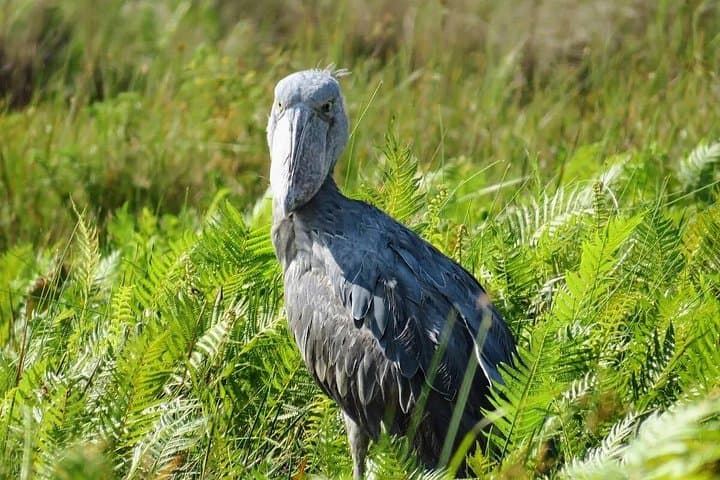
Dawn light slips across Lake Victoria and the papyrus stands up like a green wall; a narrow channel parts and the motorized traditional canoe slides in, reed fronds whispering as it passes. The air tastes of wet earth and the sharp, distant call of a fish eagle; every small splash and reed-shift feels like a hint that the famous shoebill might appear.
Verified experiences and guided adventures in the surrounding area.
Operated by Magic African Safaris · Entebbe, Wakiso District
Dawn light slips across Lake Victoria and the papyrus stands up like a green wall; a narrow channel parts and the motorized traditional canoe slides in, reed fronds whispering as it passes. The air tastes of wet earth and the sharp, distant call of a fish eagle; every small splash and reed-shift feels like a hint that the famous shoebill might appear.
Mabamba Bay formed where shallow waters meet papyrus marsh, a geologic edge of Lake Victoria that has long supported fishing communities and seasonal migrant birds. The swamp’s dense papyrus and shallow channels create a layered habitat—perfect for waders and raptors—and a guide from the community typically leads navigation and bird-finding.
Expect a day that blends natural history and practical logistics: slow cruising through papyrus, stops to glass for shoebill among reeds, and an introduction to local livelihoods along the shore. The trip is accessible—flat water, low physical demand—but rewards patience and quiet observation. Photography opportunities are close and intimate; binoculars and a telephoto lens are useful. Timing matters: early morning increases chances of sightings and lower boat traffic.
Plan for sun, bugs, and occasional spray: wear long sleeves, bring water, and keep camera gear dry. The tour usually returns to Entebbe by midday, making it a convenient half-day escape from the city or an early stop before onward travel. For birders and first-time visitors alike, Mabamba is a focused, tactile encounter with Uganda’s wetland life.
Sightings are common but not guaranteed—early starts and experienced local guides significantly increase your chances.
No—travel is mostly by motorized traditional canoe with low walking requirements; participants should be steady boarding and seated in a low profile boat.
Yes—photography is allowed and often excellent; keep distance as guided to avoid disturbing birds and use a telephoto lens for close framing.
Yes—this is family-friendly and suitable for most ages, though mobility-challenged guests should notify organizers due to low-boarding canoes.
Magic African Safaris operates guided outdoor trips and adventures with an emphasis on safety, stewardship, and memorable experiences.
Dawn light slips across Lake Victoria and the papyrus stands up like a green wall; a narrow channel parts and the motorized traditional canoe slides in, reed fronds whispering as it passes. The air tastes of wet earth and the sharp, distant call of a fish eagle; every small splash and reed-shift feels like a hint that the famous shoebill might appear.
Dawn light slips across Lake Victoria and the papyrus stands up like a green wall; a narrow channel parts and the motorized traditional canoe slides in, reed fronds whispering as it passes. The air tastes of wet earth and the sharp, distant call of a fish eagle; every small splash and reed-shift feels like a hint that the famous shoebill might appear.
Mabamba Bay formed where shallow waters meet papyrus marsh, a geologic edge of Lake Victoria that has long supported fishing communities and seasonal migrant birds. The swamp’s dense papyrus and shallow channels create a layered habitat—perfect for waders and raptors—and a guide from the community typically leads navigation and bird-finding.
Expect a day that blends natural history and practical logistics: slow cruising through papyrus, stops to glass for shoebill among reeds, and an introduction to local livelihoods along the shore. The trip is accessible—flat water, low physical demand—but rewards patience and quiet observation. Photography opportunities are close and intimate; binoculars and a telephoto lens are useful. Timing matters: early morning increases chances of sightings and lower boat traffic.
Plan for sun, bugs, and occasional spray: wear long sleeves, bring water, and keep camera gear dry. The tour usually returns to Entebbe by midday, making it a convenient half-day escape from the city or an early stop before onward travel. For birders and first-time visitors alike, Mabamba is a focused, tactile encounter with Uganda’s wetland life.