THE ADVENTURE COLLECTIVE® · Independent discovery and booking for outdoor travel

Glide through papyrus channels at dawn in search of the famed shoebill on this 1-day Mabamba Wetland birding trip. Expect close-range canoe viewing, expert local guides, and a compact wildlife-focused itinerary ideal for nature photographers and birders.
Glide through papyrus channels at dawn in search of the famed shoebill on this 1-day Mabamba Wetland birding trip. Expect close-range canoe viewing, expert local guides, and a compact wildlife-focused itinerary ideal for nature photographers and birders.
Morning light skims the papyrus and a single, hulking silhouette holds the marsh—silent, patient, exacting. That first sighting of the shoebill in Mabamba Wetland can feel like a private audience: the bird barely moves as your canoe slips past, the reed stems whispering under paddle strokes.
Verified experiences and guided adventures in the surrounding area.
Operated by MUNO GORILLA TOURS · Kasanje, Wakiso District
Morning light skims the papyrus and a single, hulking silhouette holds the marsh—silent, patient, exacting. That first sighting of the shoebill in Mabamba Wetland can feel like a private audience: the bird barely moves as your canoe slips past, the reed stems whispering under paddle strokes.
Mabamba lies on the northern edge of Lake Victoria in Wakiso District, about 50 km southwest of Kampala and north of the Entebbe peninsula. Geologically the site is a broad, low-lying papyrus swamp fed by lake backwaters and seasonal streams; its shallow, organic-rich sediments create the dense reed beds shoebills and papyrus specialists prefer. Culturally, fishing and small-scale reed harvesting shape life here—canoe routes double as transport and local livelihoods.
Expect a day driven by light, water, and bird behavior: early-morning canoeing through papyrus channels, stops to glass the margins, and close-range views of Malachite Kingfisher, African Jacana, Saddle-billed Stork and, with luck, the shoebill. Guides read the marsh like a map—where water pockets hold lungfish, where herons stand sentinel.
Practicalities: the full trip is roughly 6 hours including hotel pickup, a one-way transfer ~50 km from Kampala/Entebbe, and 1–3 hours on the water depending on sightings. Wear grippy waterproof shoes, sun protection, and a lightweight rain layer — the swamp is wet and mosquitoes are active. Bring binoculars, camera with telephoto, and respect local guides’ instructions: slow movements and quiet voices keep birds on view. Early starts and clear skies boost sighting odds; the experience is low-impact but dependent on water levels and bird behavior.
Shoebill sightings are common but never guaranteed—early starts and calm conditions improve odds; local guides know the best channels to search.
Canoes are stable and guided by experienced paddlers; life vests are typically available—communicate concerns during booking for additional safety measures.
Bring a printed or mobile ticket, a form of ID (passport advised), and the pickup address; operators usually offer hotel or Entebbe/Kampala pickups.
Facilities are basic around the swamp; the tour commonly includes a brief snack break but bring water and any personal snacks you need.
MUNO GORILLA TOURS operates guided outdoor trips and adventures with an emphasis on safety, stewardship, and memorable experiences.
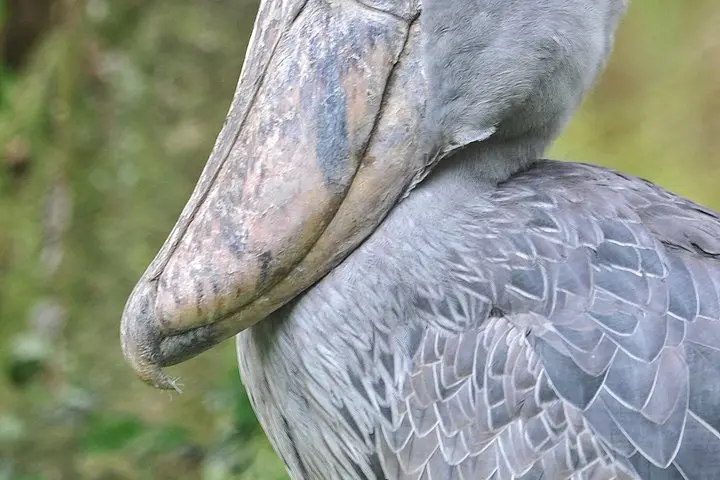
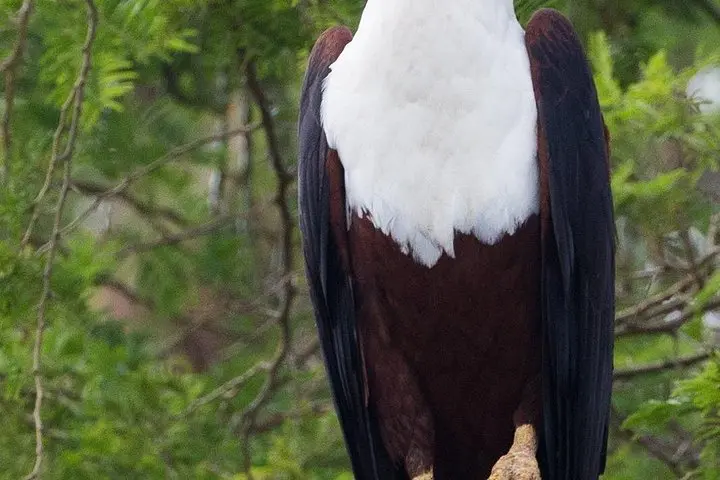
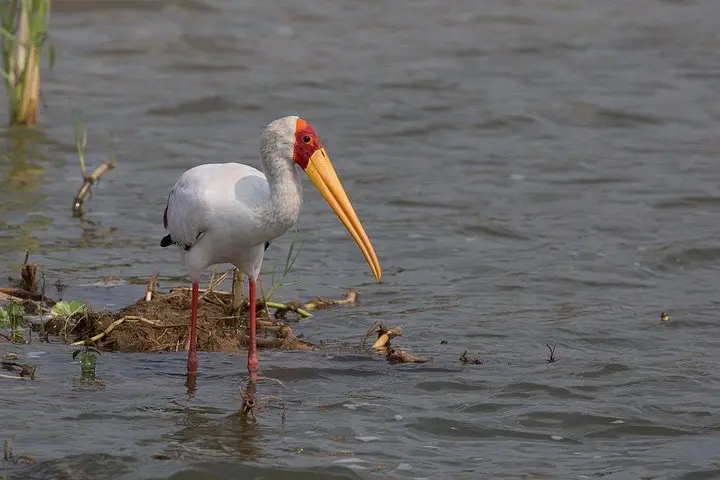
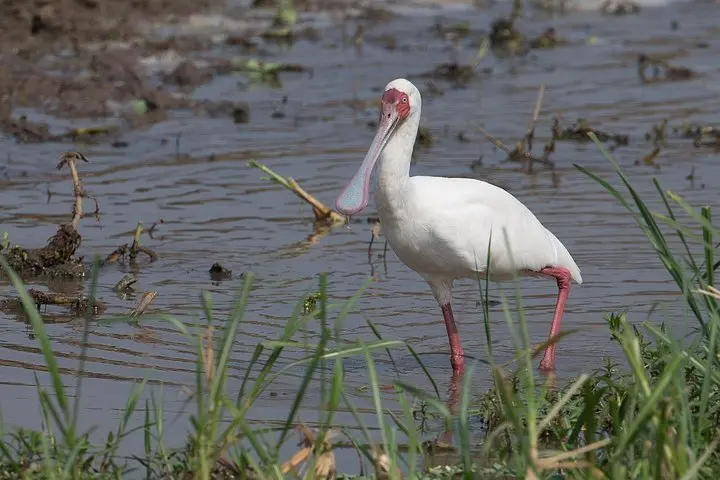
Morning light skims the papyrus and a single, hulking silhouette holds the marsh—silent, patient, exacting. That first sighting of the shoebill in Mabamba Wetland can feel like a private audience: the bird barely moves as your canoe slips past, the reed stems whispering under paddle strokes.
Morning light skims the papyrus and a single, hulking silhouette holds the marsh—silent, patient, exacting. That first sighting of the shoebill in Mabamba Wetland can feel like a private audience: the bird barely moves as your canoe slips past, the reed stems whispering under paddle strokes.
Mabamba lies on the northern edge of Lake Victoria in Wakiso District, about 50 km southwest of Kampala and north of the Entebbe peninsula. Geologically the site is a broad, low-lying papyrus swamp fed by lake backwaters and seasonal streams; its shallow, organic-rich sediments create the dense reed beds shoebills and papyrus specialists prefer. Culturally, fishing and small-scale reed harvesting shape life here—canoe routes double as transport and local livelihoods.
Expect a day driven by light, water, and bird behavior: early-morning canoeing through papyrus channels, stops to glass the margins, and close-range views of Malachite Kingfisher, African Jacana, Saddle-billed Stork and, with luck, the shoebill. Guides read the marsh like a map—where water pockets hold lungfish, where herons stand sentinel.
Practicalities: the full trip is roughly 6 hours including hotel pickup, a one-way transfer ~50 km from Kampala/Entebbe, and 1–3 hours on the water depending on sightings. Wear grippy waterproof shoes, sun protection, and a lightweight rain layer — the swamp is wet and mosquitoes are active. Bring binoculars, camera with telephoto, and respect local guides’ instructions: slow movements and quiet voices keep birds on view. Early starts and clear skies boost sighting odds; the experience is low-impact but dependent on water levels and bird behavior.