THE ADVENTURE COLLECTIVE® · Independent discovery and booking for outdoor travel
Cover Macau’s defining sights in a single day—from the Ruins of St. Paul’s and Macau Museum to the Venetian and Parisian resorts. Practical route tips, timing advice, and cultural context to help you make the most of an 8‑hour city loop.
Cover Macau’s defining sights in a single day—from the Ruins of St. Paul’s and Macau Museum to the Venetian and Parisian resorts. Practical route tips, timing advice, and cultural context to help you make the most of an 8‑hour city loop.
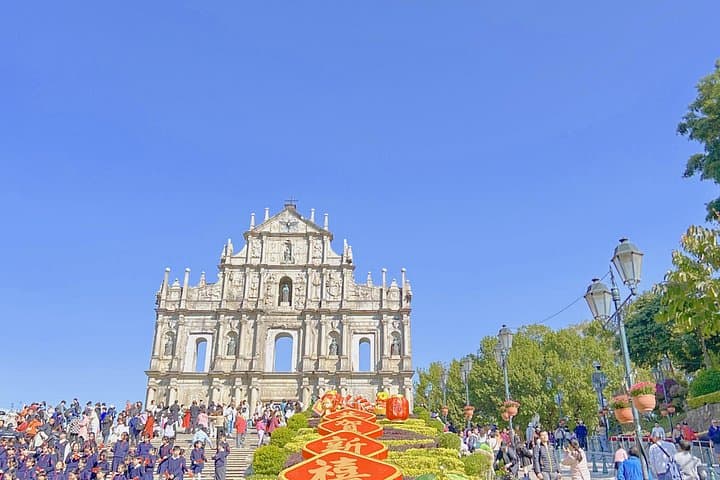
You step out into a warm, humid morning at the foot of the Ruins of St. Paul’s; the carved stone façade watches over narrow cobbled alleys while trams hum and the Pearl River Delta glints beyond the rooftops.
Verified experiences and guided adventures in the surrounding area.
Operated by Jack Lin · Macau, Macau SAR
You step out into a warm, humid morning at the foot of the Ruins of St. Paul’s; the carved stone façade watches over narrow cobbled alleys while trams hum and the Pearl River Delta glints beyond the rooftops.
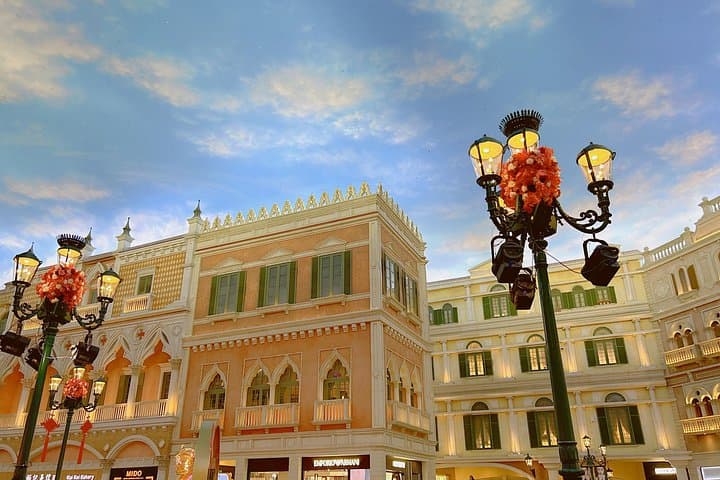
This one-day loop threads Macau’s layered history—Portuguese colonial stonework, Cantonese storefronts, and post‑1999 Chinese institutional architecture—into a compact city walk. The Ruins of St. Paul’s (17th century church and college) introduce the island’s missionary and mercantile past; nearby Monte Fort and the Macau Museum explain how a fishing village became a trade entrepôt. The Macao Handover Gifts Museum records the 1999 transfer of sovereignty; later, the Venetian and Parisian resorts demonstrate how themed entertainment reshaped reclaimed land and skyline.
Geology is quiet but present: low, volcanic outcrops and reclaimed mudflats created the curving peninsula that channels tides and trade. Culturally, Cantonese traditions mix with Portuguese religious festivals and contemporary gaming economies—expect multilingual signage and an eclectic food scene of dim sum and Portuguese egg tarts.
Practical guidance: this is a mostly flat, urban day with up to 7–8 hours on foot and short transfers. Wear closed shoes for cobbles and stairs, carry water and sun protection, and pace museum visits to avoid mid‑afternoon crowds. Start at the Ruins, circle the Monte area in the morning, reserve afternoons for large resorts if you want indoor exhibits or panoramic tower views.
Timing, hydration, and an awareness of busy weekend crowds will make the day efficient and memorable.
Expect about 7–8 hours with sustained walking between sites, short transfers, and museum stops—suitable for most fitness levels.
This tour description lists guiding fees only; check specific museum or attraction admissions as they may be separate.
Common meeting points are in front of the Ruins of St. Paul’s or at the port B entrance—confirm with the guide before your start time.
Yes—it's rated easy, but plan for slower pacing, extra rests, and potential mobility challenges on uneven historic streets.
Jack Lin operates guided outdoor trips and adventures with an emphasis on safety, stewardship, and memorable experiences.
You step out into a warm, humid morning at the foot of the Ruins of St. Paul’s; the carved stone façade watches over narrow cobbled alleys while trams hum and the Pearl River Delta glints beyond the rooftops.
You step out into a warm, humid morning at the foot of the Ruins of St. Paul’s; the carved stone façade watches over narrow cobbled alleys while trams hum and the Pearl River Delta glints beyond the rooftops.
This one-day loop threads Macau’s layered history—Portuguese colonial stonework, Cantonese storefronts, and post‑1999 Chinese institutional architecture—into a compact city walk. The Ruins of St. Paul’s (17th century church and college) introduce the island’s missionary and mercantile past; nearby Monte Fort and the Macau Museum explain how a fishing village became a trade entrepôt. The Macao Handover Gifts Museum records the 1999 transfer of sovereignty; later, the Venetian and Parisian resorts demonstrate how themed entertainment reshaped reclaimed land and skyline.
Geology is quiet but present: low, volcanic outcrops and reclaimed mudflats created the curving peninsula that channels tides and trade. Culturally, Cantonese traditions mix with Portuguese religious festivals and contemporary gaming economies—expect multilingual signage and an eclectic food scene of dim sum and Portuguese egg tarts.
Practical guidance: this is a mostly flat, urban day with up to 7–8 hours on foot and short transfers. Wear closed shoes for cobbles and stairs, carry water and sun protection, and pace museum visits to avoid mid‑afternoon crowds. Start at the Ruins, circle the Monte area in the morning, reserve afternoons for large resorts if you want indoor exhibits or panoramic tower views.
Timing, hydration, and an awareness of busy weekend crowds will make the day efficient and memorable.
