THE ADVENTURE COLLECTIVE® · Independent discovery and booking for outdoor travel

Follow the Whisky Route from rainforest to glacier on the Machame 7-day Kilimanjaro trek. This guide outlines terrain, daily pacing, and practical tips to prepare for the summit push.
Follow the Whisky Route from rainforest to glacier on the Machame 7-day Kilimanjaro trek. This guide outlines terrain, daily pacing, and practical tips to prepare for the summit push.
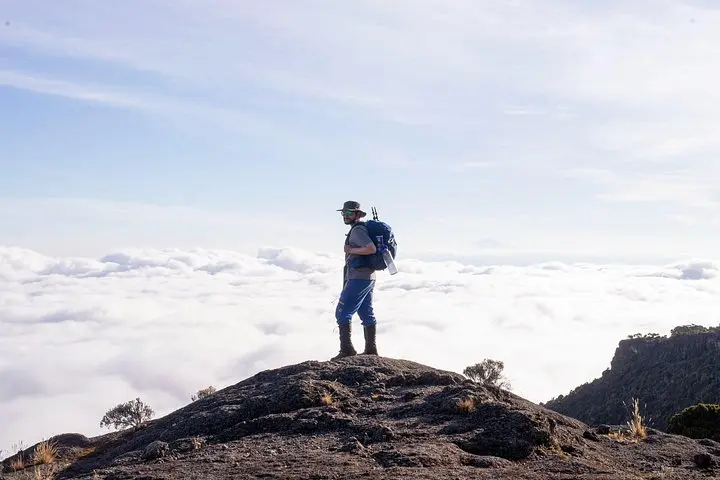
A cold, star-lit departure at Barafu Camp pushes the group into a midnight that feels alive — wind off glaciers nudging each step toward Uhuru Peak. The Machame Route moves like a story: rainforest that presses close at lower elevations, open moorland that loosens into a high alpine desert, then the raw, glaciated slopes that demand every piece of experience and grit you brought.
Verified experiences and guided adventures in the surrounding area.
Operated by TREK 2 KILI COMPANY LTD · Moshi, Kilimanjaro
A cold, star-lit departure at Barafu Camp pushes the group into a midnight that feels alive — wind off glaciers nudging each step toward Uhuru Peak. The Machame Route moves like a story: rainforest that presses close at lower elevations, open moorland that loosens into a high alpine desert, then the raw, glaciated slopes that demand every piece of experience and grit you brought.
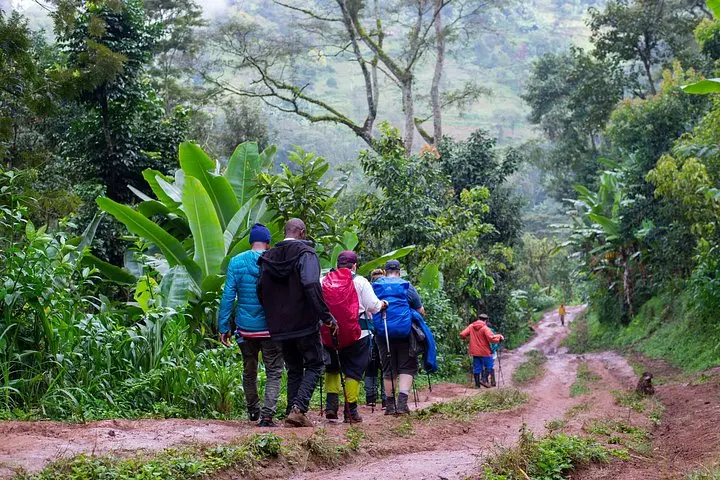
This approach—known as the Whisky Route—was forged by local guides and international climbers seeking a scenic but achievable path up Kilimanjaro. Geologically, Kilimanjaro is a stratovolcanic massif of volcanic plugs and ancient lava flows; the route crosses distinct ecological bands from montane rainforest to alpine moor and finally to the arctic-like summit zone carved by ancient glaciers.
Culturally, Moshi’s Chagga communities have long supported portering and guiding traditions; you’ll notice crew rhythm—early cooking fires, nimble pack handling—that’s as much part of the climb as the trail.
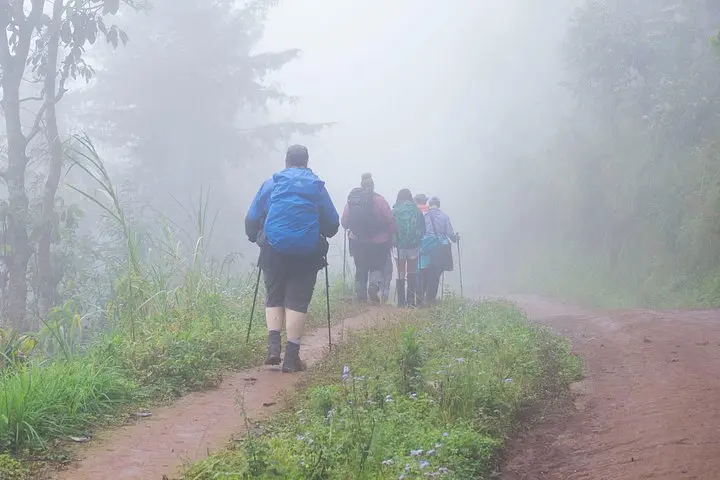
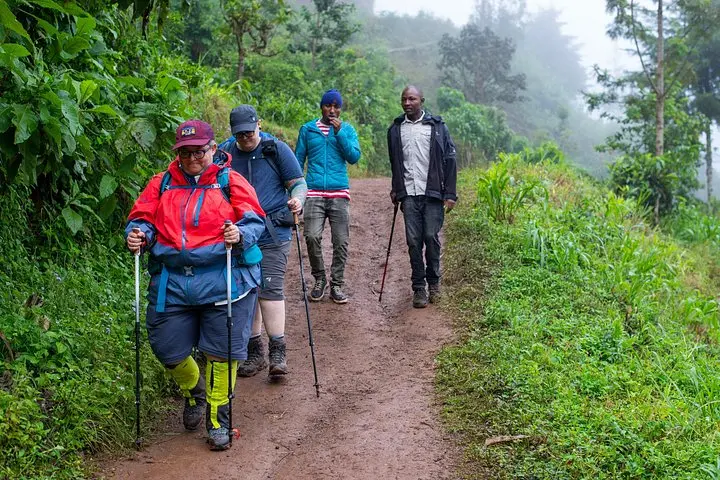
Practically: expect 6–7 days of hiking with daily stages of 3–7 hours, a summit push of 5–7 hours uphill starting around 00:00, then a long descent. Trails range from muddy rainforest paths to volcanic scree and hard-packed alpine terrain; gaiters and trekking poles are essential early, crampon-ready footwear may be needed near the summit in wet or icy conditions.
Acclimatize, hydrate, and pace conservatively. Pack layered insulation for summit night, use a reliable headlamp and test your gear on long training days. With measured planning and respect for altitude, the Machame Route is simultaneously scenic and one of Kilimanjaro’s most successful summit itineraries.
Dry seasons—January–March and June–October—generally offer more stable weather and clearer summit views, though Kilimanjaro weather can change rapidly any time of year.
No technical climbing skills are required, but prior multi-day trekking and high-altitude exposure improves safety and summit chances.
Acute mountain sickness is common; the 6–7 day Machame itineraries include acclimatization stops to lower risk, but symptoms still occur—communicate early and follow guide protocols.
Professional guides, porters, park fees, meals on trek and pre/post accommodations are typically included in organized Machame packages; confirm specifics with your operator.
TREK 2 KILI COMPANY LTD operates guided outdoor trips and adventures with an emphasis on safety, stewardship, and memorable experiences.
A cold, star-lit departure at Barafu Camp pushes the group into a midnight that feels alive — wind off glaciers nudging each step toward Uhuru Peak. The Machame Route moves like a story: rainforest that presses close at lower elevations, open moorland that loosens into a high alpine desert, then the raw, glaciated slopes that demand every piece of experience and grit you brought.
A cold, star-lit departure at Barafu Camp pushes the group into a midnight that feels alive — wind off glaciers nudging each step toward Uhuru Peak. The Machame Route moves like a story: rainforest that presses close at lower elevations, open moorland that loosens into a high alpine desert, then the raw, glaciated slopes that demand every piece of experience and grit you brought.
This approach—known as the Whisky Route—was forged by local guides and international climbers seeking a scenic but achievable path up Kilimanjaro. Geologically, Kilimanjaro is a stratovolcanic massif of volcanic plugs and ancient lava flows; the route crosses distinct ecological bands from montane rainforest to alpine moor and finally to the arctic-like summit zone carved by ancient glaciers.
Culturally, Moshi’s Chagga communities have long supported portering and guiding traditions; you’ll notice crew rhythm—early cooking fires, nimble pack handling—that’s as much part of the climb as the trail.
Practically: expect 6–7 days of hiking with daily stages of 3–7 hours, a summit push of 5–7 hours uphill starting around 00:00, then a long descent. Trails range from muddy rainforest paths to volcanic scree and hard-packed alpine terrain; gaiters and trekking poles are essential early, crampon-ready footwear may be needed near the summit in wet or icy conditions.
Acclimatize, hydrate, and pace conservatively. Pack layered insulation for summit night, use a reliable headlamp and test your gear on long training days. With measured planning and respect for altitude, the Machame Route is simultaneously scenic and one of Kilimanjaro’s most successful summit itineraries.