THE ADVENTURE COLLECTIVE® · Independent discovery and booking for outdoor travel

A steep, scenic approach to Africa’s highest summit, the Machame ("Whiskey") Route delivers rainforest, moorland and glacial views across a compact 6–7 day itinerary. This guide explains what to expect day-by-day, gear to bring, and how to manage altitude for a successful summit.
A steep, scenic approach to Africa’s highest summit, the Machame ("Whiskey") Route delivers rainforest, moorland and glacial views across a compact 6–7 day itinerary. This guide explains what to expect day-by-day, gear to bring, and how to manage altitude for a successful summit.
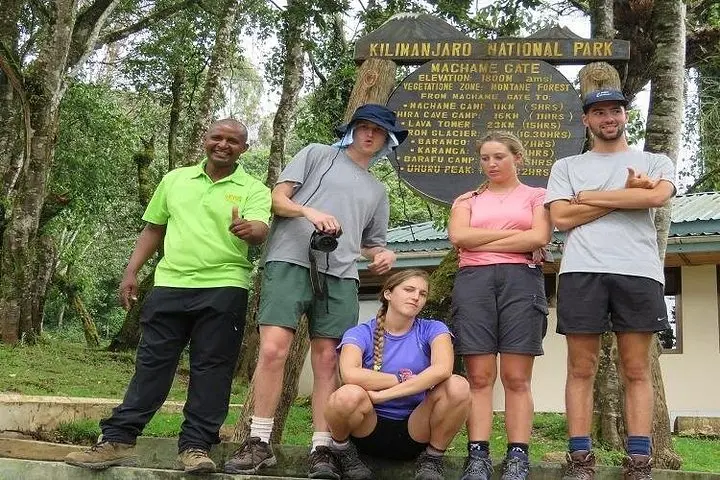
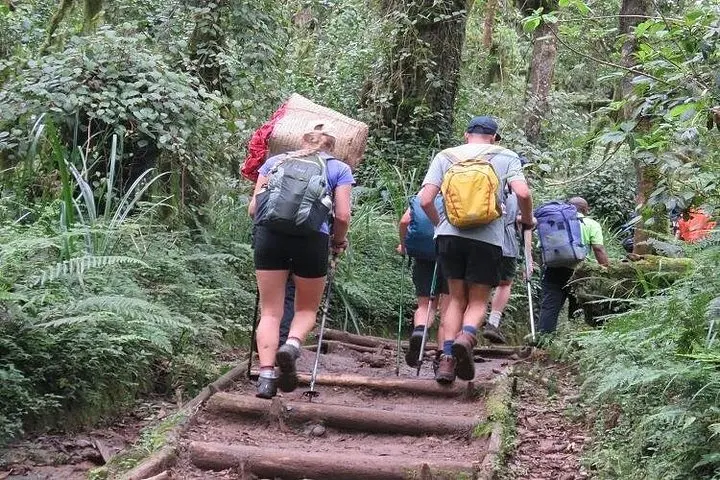
A damp dawn at Machame Gate sets the tone: cloud-draped rainforest, the path disappearing into moss and dripping ferns, porters already hauling canvas and cooking pots ahead of you. The Machame or “Whiskey” route pushes directly up Kilimanjaro’s southern flank, trading long gradual approaches for dramatic day-to-day altitude gain and shifting ecosystems.
Verified experiences and guided adventures in the surrounding area.
Operated by Rede Tours and Safaris (Amore African Safari LTD) · Moshi, Kilimanjaro Region
A damp dawn at Machame Gate sets the tone: cloud-draped rainforest, the path disappearing into moss and dripping ferns, porters already hauling canvas and cooking pots ahead of you. The Machame or “Whiskey” route pushes directly up Kilimanjaro’s southern flank, trading long gradual approaches for dramatic day-to-day altitude gain and shifting ecosystems.
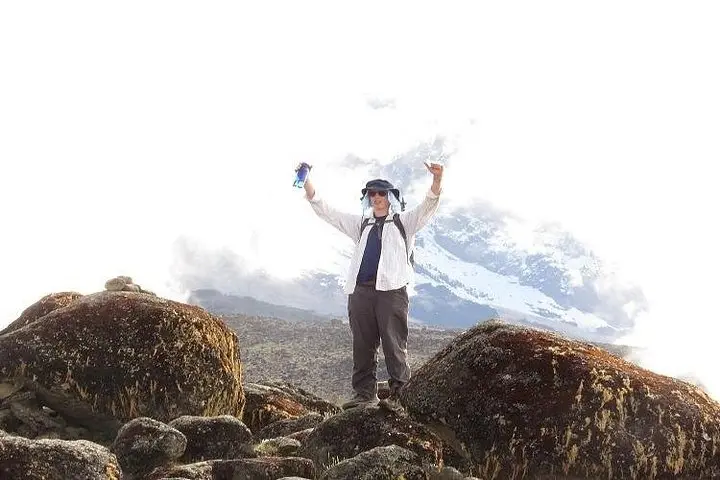
Geology and history reveal themselves as you climb: ancient volcanic flows give way to the Shira Plateau’s basalt slabs, then to the scree slopes below Kibo’s ice fields. Hans Meyer’s 1889 ascent put these slopes on the map for climbers; today the mountain sits inside Kilimanjaro National Park, a protected mosaic of rainforest, moorland, alpine desert and glacier.
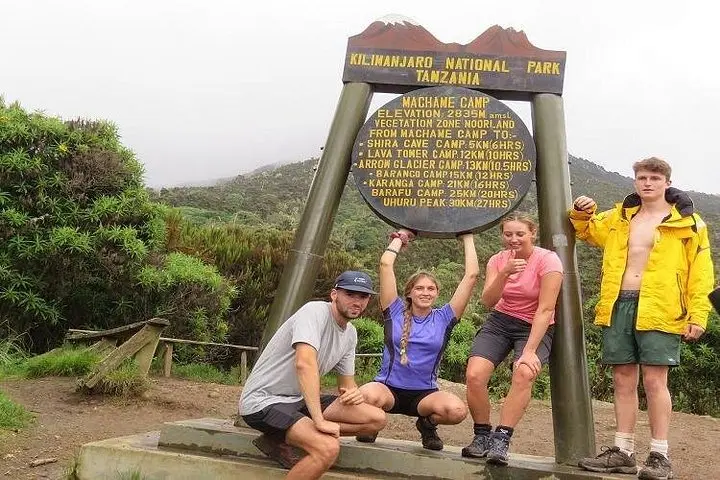
Culture threads through the trek—Chagga villages and coffee farms at low elevations, and skilled mountain crews whose knowledge of routes, weather and porter systems is essential to success. Expect six days on trail with camps at Machame (≈2,980m), Shira (≈3,840m), Barranco (≈3,960m), Karanga (≈3,995m), Barafu (≈4,640m) and the final descent to Mweka.
Practical guide: total elevation gain to Uhuru Peak (5,895m) is about 4,400–4,500m over the itinerary; terrain ranges from mud and roots to loose scree and hard-packed volcanic gravel. Start summit attempts around midnight, carry layered insulating clothing, gaiters and trekking poles for the descent, and hydrate frequently to manage altitude. Permit and park fees are required; use a reputable operator who provides guides, porters, tents and meals. Take your time on acclimatization days—pace beats speed on Kilimanjaro.
Altitude sickness is a real risk—following the itinerary, pacing slowly, staying hydrated and reporting symptoms to guides immediately reduces risk; extra acclimatization days improve odds.
No technical gear is required—this is non-technical trekking—but crampons are rarely needed; instead bring sturdy boots, poles and warm clothing for the summit.
Kilimanjaro National Park requires permits and rescue fees; reputable operators include these in the package—confirm inclusion before booking.
Summit success depends on weather, fitness, acclimatization and pacing; typical 6-day Machame success rates are moderate—longer itineraries raise success and lower altitude illness risk.
Rede Tours and Safaris (Amore African Safari LTD) operates guided outdoor trips and adventures with an emphasis on safety, stewardship, and memorable experiences.
A damp dawn at Machame Gate sets the tone: cloud-draped rainforest, the path disappearing into moss and dripping ferns, porters already hauling canvas and cooking pots ahead of you. The Machame or “Whiskey” route pushes directly up Kilimanjaro’s southern flank, trading long gradual approaches for dramatic day-to-day altitude gain and shifting ecosystems.
A damp dawn at Machame Gate sets the tone: cloud-draped rainforest, the path disappearing into moss and dripping ferns, porters already hauling canvas and cooking pots ahead of you. The Machame or “Whiskey” route pushes directly up Kilimanjaro’s southern flank, trading long gradual approaches for dramatic day-to-day altitude gain and shifting ecosystems.
Geology and history reveal themselves as you climb: ancient volcanic flows give way to the Shira Plateau’s basalt slabs, then to the scree slopes below Kibo’s ice fields. Hans Meyer’s 1889 ascent put these slopes on the map for climbers; today the mountain sits inside Kilimanjaro National Park, a protected mosaic of rainforest, moorland, alpine desert and glacier.
Culture threads through the trek—Chagga villages and coffee farms at low elevations, and skilled mountain crews whose knowledge of routes, weather and porter systems is essential to success. Expect six days on trail with camps at Machame (≈2,980m), Shira (≈3,840m), Barranco (≈3,960m), Karanga (≈3,995m), Barafu (≈4,640m) and the final descent to Mweka.
Practical guide: total elevation gain to Uhuru Peak (5,895m) is about 4,400–4,500m over the itinerary; terrain ranges from mud and roots to loose scree and hard-packed volcanic gravel. Start summit attempts around midnight, carry layered insulating clothing, gaiters and trekking poles for the descent, and hydrate frequently to manage altitude. Permit and park fees are required; use a reputable operator who provides guides, porters, tents and meals. Take your time on acclimatization days—pace beats speed on Kilimanjaro.