THE ADVENTURE COLLECTIVE® · Independent discovery and booking for outdoor travel

Tackle Kilimanjaro’s Machame Route over 6–7 days to climb steep, scenic terrain while using the “trek high, sleep low” approach for better acclimatization. This guide outlines what to expect—from terrain and camps to practical tips for summit day.
Tackle Kilimanjaro’s Machame Route over 6–7 days to climb steep, scenic terrain while using the “trek high, sleep low” approach for better acclimatization. This guide outlines what to expect—from terrain and camps to practical tips for summit day.
A cold mist parts as you step from the rainforest into moorland—Kilimanjaro’s weather changing like a mood. On the Machame Route you move south and west around the mountain, climbing steeper pitches and sleeping lower to let thin air lose some of its bite. Daylight opens on moss-draped trees; by afternoon the Shira Plateau lays flat and wind-polished beneath cloud bands.
Verified experiences and guided adventures in the surrounding area.
Operated by Habari Adventure · Moshi, Kilimanjaro Region
A cold mist parts as you step from the rainforest into moorland—Kilimanjaro’s weather changing like a mood. On the Machame Route you move south and west around the mountain, climbing steeper pitches and sleeping lower to let thin air lose some of its bite. Daylight opens on moss-draped trees; by afternoon the Shira Plateau lays flat and wind-polished beneath cloud bands.
The massif itself is an ancient stratovolcano, its summit rim and exposed glaciers a reminder of a geological history tied to the East African Rift. European explorers reached Kibo’s heights in the late 19th century, and today Kilimanjaro National Park manages trekking through a landscape that shifts from montane forest to alpine desert in a few hours.
Locally, guides from Moshi bring more than route-finding: they share Chagga stories, point out useful medicinal plants, and translate the mountain’s microclimates into sensible pacing. Conservation hinges on regulated permits and responsible camping—stick to boot tracks and pack out non-biodegradable waste.
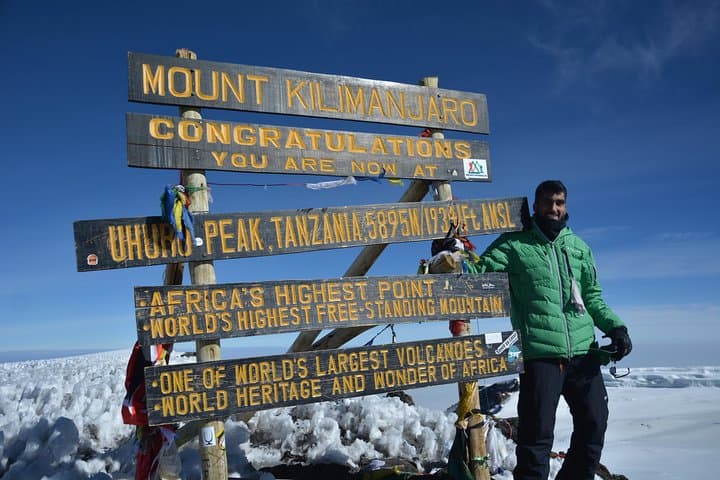
Practical guidance: plan 6–7 days to maximize acclimatization; net elevation gain from Machame Gate (~1,640 m) to Uhuru Peak (5,895 m) is roughly 4,250 m over varied terrain. Expect steep ridgelines, scree slopes, muddy forest trails and high alpine rock; daily hiking ranges from 4–10 hours. Hydrate continuously, layer for rapid temperature swings, and use trekking poles for steep descents. Altitude is the primary hazard—know the symptoms and don’t push summit attempts without adequate rest.
The Machame is scenic, demanding, and rightly prized by hikers who want acclimatization, views and a true mountain challenge.
Most operators run Machame over 6–7 days; the extra day improves acclimatization and increases summit success rates.
No ropes or glacier travel skills are required—technical ability is minimal, but you must be comfortable on steep, loose terrain and at altitude.
Altitude sickness is the primary risk; weather can change rapidly, and steep descents strain knees—proper pacing, hydration and gear mitigate most issues.
Park regulations require guides and often support staff; local guides provide navigation, safety, and cultural context while porters carry camp gear.
Habari Adventure operates guided outdoor trips and adventures with an emphasis on safety, stewardship, and memorable experiences.
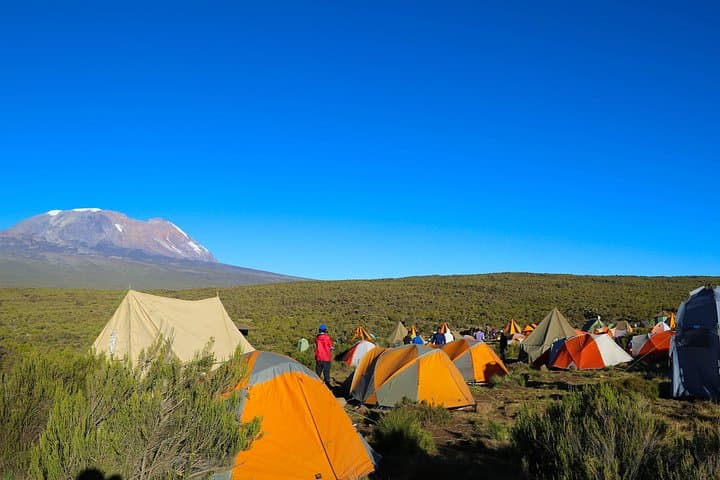
A cold mist parts as you step from the rainforest into moorland—Kilimanjaro’s weather changing like a mood. On the Machame Route you move south and west around the mountain, climbing steeper pitches and sleeping lower to let thin air lose some of its bite. Daylight opens on moss-draped trees; by afternoon the Shira Plateau lays flat and wind-polished beneath cloud bands.
A cold mist parts as you step from the rainforest into moorland—Kilimanjaro’s weather changing like a mood. On the Machame Route you move south and west around the mountain, climbing steeper pitches and sleeping lower to let thin air lose some of its bite. Daylight opens on moss-draped trees; by afternoon the Shira Plateau lays flat and wind-polished beneath cloud bands.
The massif itself is an ancient stratovolcano, its summit rim and exposed glaciers a reminder of a geological history tied to the East African Rift. European explorers reached Kibo’s heights in the late 19th century, and today Kilimanjaro National Park manages trekking through a landscape that shifts from montane forest to alpine desert in a few hours.
Locally, guides from Moshi bring more than route-finding: they share Chagga stories, point out useful medicinal plants, and translate the mountain’s microclimates into sensible pacing. Conservation hinges on regulated permits and responsible camping—stick to boot tracks and pack out non-biodegradable waste.
Practical guidance: plan 6–7 days to maximize acclimatization; net elevation gain from Machame Gate (~1,640 m) to Uhuru Peak (5,895 m) is roughly 4,250 m over varied terrain. Expect steep ridgelines, scree slopes, muddy forest trails and high alpine rock; daily hiking ranges from 4–10 hours. Hydrate continuously, layer for rapid temperature swings, and use trekking poles for steep descents. Altitude is the primary hazard—know the symptoms and don’t push summit attempts without adequate rest.
The Machame is scenic, demanding, and rightly prized by hikers who want acclimatization, views and a true mountain challenge.