THE ADVENTURE COLLECTIVE® · Independent discovery and booking for outdoor travel

A seven-day Machame Route climb blends rainforest footpaths, alien moorlands and a gruelling summit night to Uhuru Peak. This guide outlines what to expect—terrain, daily rhythm, and practical tips to prepare for high-altitude success.
A seven-day Machame Route climb blends rainforest footpaths, alien moorlands and a gruelling summit night to Uhuru Peak. This guide outlines what to expect—terrain, daily rhythm, and practical tips to prepare for high-altitude success.
You step out of the minibus in the thin, cool air of the Machame gate and the rainforest seems to reach for you—ferns brushing knees, moss-draped trunks whispering as you shoulder your pack. The path immediately begins to climb, folding through dripping canopy and opening onto heather-swept ridges that reveal Kibo’s ice-streaked cone far above.
Verified experiences and guided adventures in the surrounding area.
Operated by Miles to Smile · Moshi, Kilimanjaro Region
You step out of the minibus in the thin, cool air of the Machame gate and the rainforest seems to reach for you—ferns brushing knees, moss-draped trunks whispering as you shoulder your pack. The path immediately begins to climb, folding through dripping canopy and opening onto heather-swept ridges that reveal Kibo’s ice-streaked cone far above.
Kilimanjaro is a dormant stratovolcano whose three peaks—Kibo, Mawenzi and Shira—record a geologic story of uplift and glaciation. The Machame Route threads several biomes in seven days: dense montane forest, moorland, alpine desert and the arctic crater rim. The climb also runs through Chagga lands; villages around Moshi have long guided travelers and shared stories over steaming coffee.
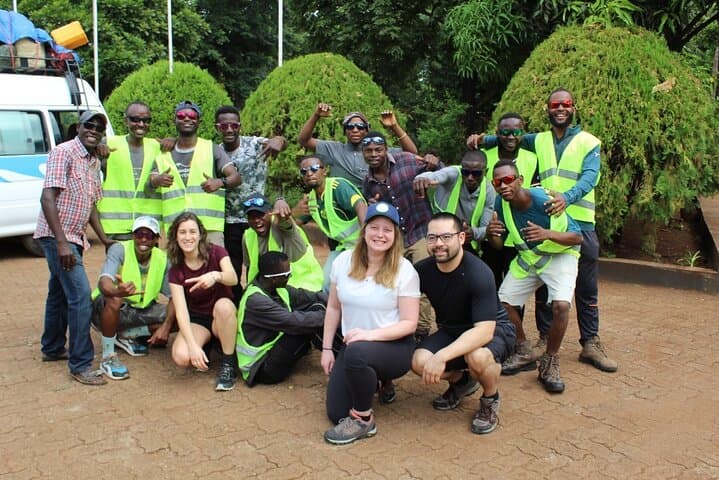
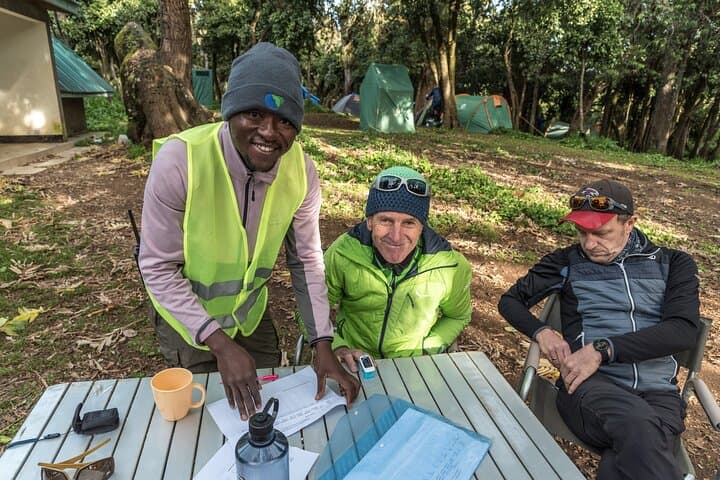
On the hike you’ll notice lobelia and giant senecio giving the high moorland its otherworldly silhouette, while porters and guides choreograph camp life—setting tents, boiling fresh stews, and keeping a steady pace that prioritizes acclimatization.
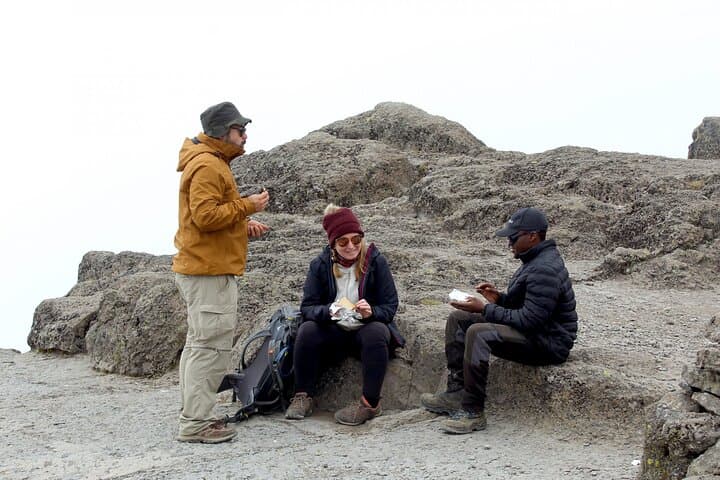
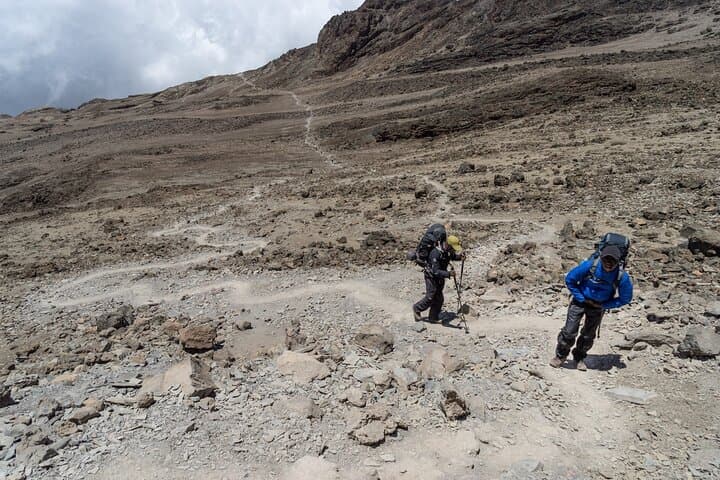
Practical guidance: expect long days with significant altitude gain—summit night is the hardest, with hours of steep scree before Stella Point and Uhuru Peak. Hydrate consistently, layer for dramatic temperature swings (warm at camp, bitterly cold above 5,000 m), and use trekking poles to save knees on descent. The operator provides tents, mattresses and meals on the mountain, but personal high-altitude kit and a quiet respect for pacing make the difference between reaching the summit and turning back. Plan arrival in Moshi at least a day early to sort permits, gear checks and travel logistics.
Not strictly, but prior multi-day trekking and good aerobic fitness greatly improve your chances of reaching the summit and coping with altitude.
National park fees and taxes are listed as included by the operator; confirm visa, park permit details and porter gratuities before travel.
Expect temperatures well below freezing above 5,000 m; wind chill can make it feel far colder—full cold-weather layering is necessary.
From Barafu it’s typically a 7–8 hour ascent to Uhuru Peak (midnight start) followed by a 4–6 hour descent to Mweka Hut—plan on a very long day.
Miles to Smile operates guided outdoor trips and adventures with an emphasis on safety, stewardship, and memorable experiences.
You step out of the minibus in the thin, cool air of the Machame gate and the rainforest seems to reach for you—ferns brushing knees, moss-draped trunks whispering as you shoulder your pack. The path immediately begins to climb, folding through dripping canopy and opening onto heather-swept ridges that reveal Kibo’s ice-streaked cone far above.
You step out of the minibus in the thin, cool air of the Machame gate and the rainforest seems to reach for you—ferns brushing knees, moss-draped trunks whispering as you shoulder your pack. The path immediately begins to climb, folding through dripping canopy and opening onto heather-swept ridges that reveal Kibo’s ice-streaked cone far above.
Kilimanjaro is a dormant stratovolcano whose three peaks—Kibo, Mawenzi and Shira—record a geologic story of uplift and glaciation. The Machame Route threads several biomes in seven days: dense montane forest, moorland, alpine desert and the arctic crater rim. The climb also runs through Chagga lands; villages around Moshi have long guided travelers and shared stories over steaming coffee.
On the hike you’ll notice lobelia and giant senecio giving the high moorland its otherworldly silhouette, while porters and guides choreograph camp life—setting tents, boiling fresh stews, and keeping a steady pace that prioritizes acclimatization.
Practical guidance: expect long days with significant altitude gain—summit night is the hardest, with hours of steep scree before Stella Point and Uhuru Peak. Hydrate consistently, layer for dramatic temperature swings (warm at camp, bitterly cold above 5,000 m), and use trekking poles to save knees on descent. The operator provides tents, mattresses and meals on the mountain, but personal high-altitude kit and a quiet respect for pacing make the difference between reaching the summit and turning back. Plan arrival in Moshi at least a day early to sort permits, gear checks and travel logistics.