THE ADVENTURE COLLECTIVE® · Independent discovery and booking for outdoor travel

A seven-day, acclimatization-focused ascent via the Machame Route that blends forest trails, moorland, and a demanding summit night to Uhuru Peak. Ideal for fit trekkers who want a scenic, non-technical route up Kilimanjaro.
A seven-day, acclimatization-focused ascent via the Machame Route that blends forest trails, moorland, and a demanding summit night to Uhuru Peak. Ideal for fit trekkers who want a scenic, non-technical route up Kilimanjaro.
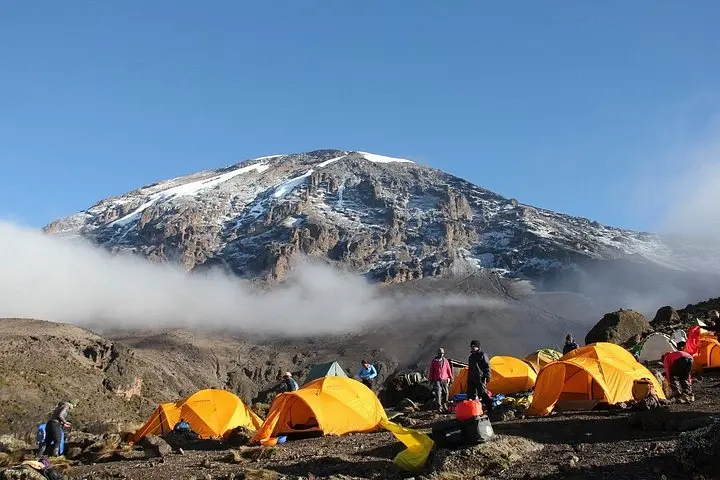
Dawn breaks over a forest stitched with moss and the faint silhouette of Kibo Peak growing larger with every switchback. On the Machame Route, your footsteps sink into loam under a canopy that coughs out sunlight as you climb—the mountain feels like an entity that measures your pace and rewards patience.
Verified experiences and guided adventures in the surrounding area.
Operated by Miiso Safaris · Moshi, Kilimanjaro Region
Dawn breaks over a forest stitched with moss and the faint silhouette of Kibo Peak growing larger with every switchback. On the Machame Route, your footsteps sink into loam under a canopy that coughs out sunlight as you climb—the mountain feels like an entity that measures your pace and rewards patience.
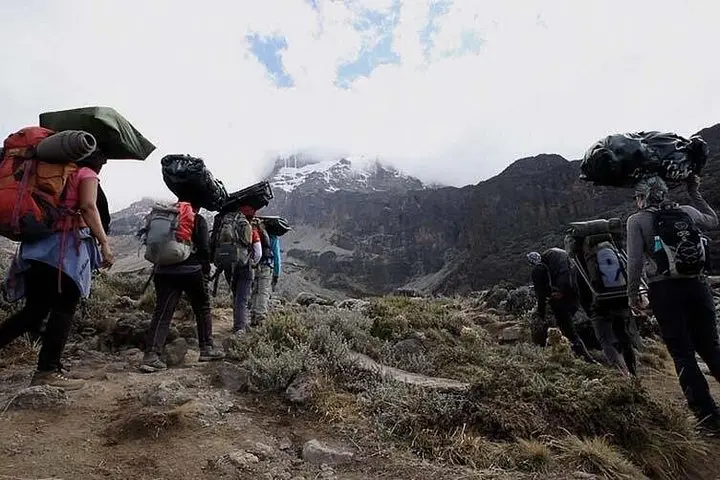
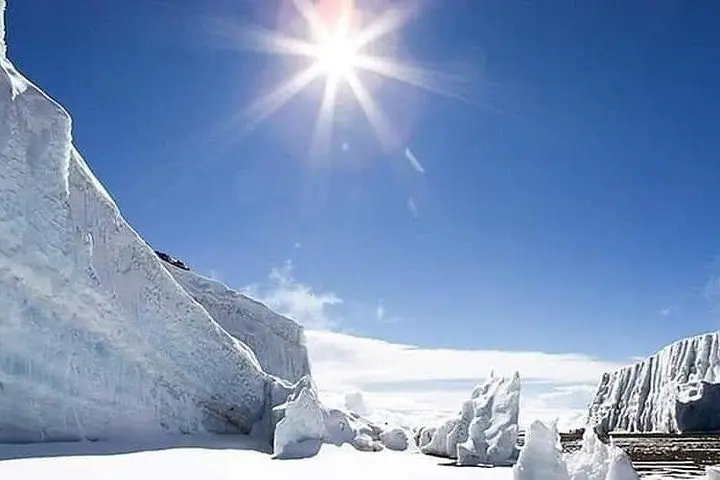
Kilimanjaro’s southern flank records a complex geological story: an extinct volcanic cone capped by the Kibo summit, glaciers carved into basalt and ash, and a plateau where lava once pooled. Human history here ranges from Chagga agricultural terraces lower on the slopes to the first European ascents in the early 20th century; today local guides and porters sustain the mountain’s trekking culture and economy.
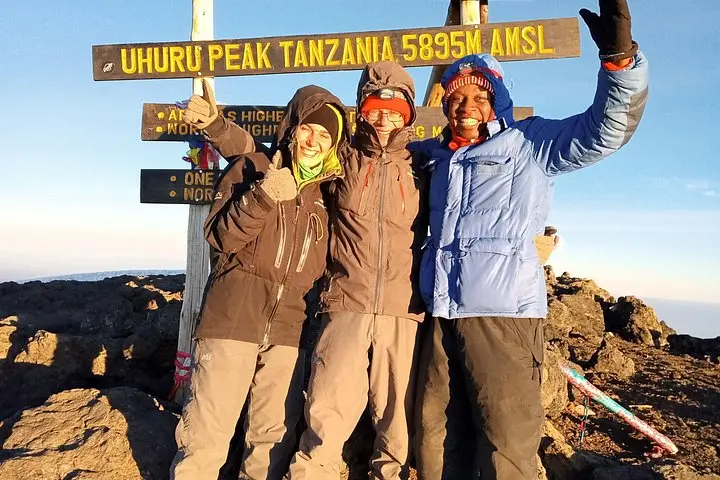
Expect varied terrain: dense montane forest, open heath with giant lobelias, rocky alpine desert, then scree on the final push to Stella Point and Uhuru Peak at 5,895 m. Wildlife thins with elevation but birds and small mammals animate the lower days; wind and cold take over near the summit, daring you to keep moving.
Practical guidance: plan for seven days to boost acclimatization, bring layered clothing for rapid temperature swings, and use trekking poles to save knees on descents. Summit day is long (11–14 hours roundtrip); pacing, hydration, and steady walking beats fast gains. Respect briefing notes on medical fitness—this is high-altitude trekking more than technical climbing. With preparation, the Machame Route delivers one of Kilimanjaro’s most scenic, gradual approaches to the roof of Africa.
No technical climbing skills are required; the route is a strenuous trek rather than a technical ascent, but prior multi-day hiking experience and good fitness are essential.
Altitude sickness and exposure to cold on summit night are the primary risks—proper acclimatization, pacing, and suitable clothing mitigate them.
Customary tipping in Tanzania varies, but a common guideline is $20–30 per trekker per trekking staff member for the whole trip; confirm operator recommendations in advance.
Dry season months (January–March and June–October) offer more stable weather and clearer summit conditions, though Kilimanjaro can be climbed year-round with variable conditions.
Miiso Safaris operates guided outdoor trips and adventures with an emphasis on safety, stewardship, and memorable experiences.
Dawn breaks over a forest stitched with moss and the faint silhouette of Kibo Peak growing larger with every switchback. On the Machame Route, your footsteps sink into loam under a canopy that coughs out sunlight as you climb—the mountain feels like an entity that measures your pace and rewards patience.
Dawn breaks over a forest stitched with moss and the faint silhouette of Kibo Peak growing larger with every switchback. On the Machame Route, your footsteps sink into loam under a canopy that coughs out sunlight as you climb—the mountain feels like an entity that measures your pace and rewards patience.
Kilimanjaro’s southern flank records a complex geological story: an extinct volcanic cone capped by the Kibo summit, glaciers carved into basalt and ash, and a plateau where lava once pooled. Human history here ranges from Chagga agricultural terraces lower on the slopes to the first European ascents in the early 20th century; today local guides and porters sustain the mountain’s trekking culture and economy.
Expect varied terrain: dense montane forest, open heath with giant lobelias, rocky alpine desert, then scree on the final push to Stella Point and Uhuru Peak at 5,895 m. Wildlife thins with elevation but birds and small mammals animate the lower days; wind and cold take over near the summit, daring you to keep moving.
Practical guidance: plan for seven days to boost acclimatization, bring layered clothing for rapid temperature swings, and use trekking poles to save knees on descents. Summit day is long (11–14 hours roundtrip); pacing, hydration, and steady walking beats fast gains. Respect briefing notes on medical fitness—this is high-altitude trekking more than technical climbing. With preparation, the Machame Route delivers one of Kilimanjaro’s most scenic, gradual approaches to the roof of Africa.