THE ADVENTURE COLLECTIVE® · Independent discovery and booking for outdoor travel

The Machame route is a seven-day, acclimatization-focused ascent of Mount Kilimanjaro that moves from rainforest to icy summit. This practical guide outlines terrain, daily mileage, acclimatization strategy and what to expect on summit night.
The Machame route is a seven-day, acclimatization-focused ascent of Mount Kilimanjaro that moves from rainforest to icy summit. This practical guide outlines terrain, daily mileage, acclimatization strategy and what to expect on summit night.
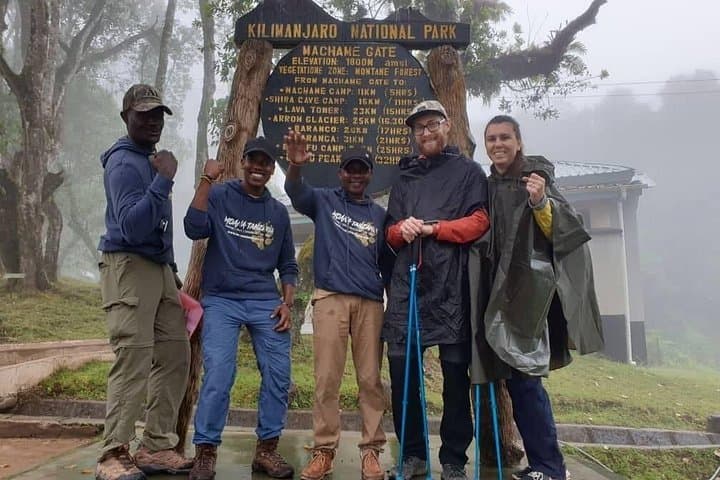
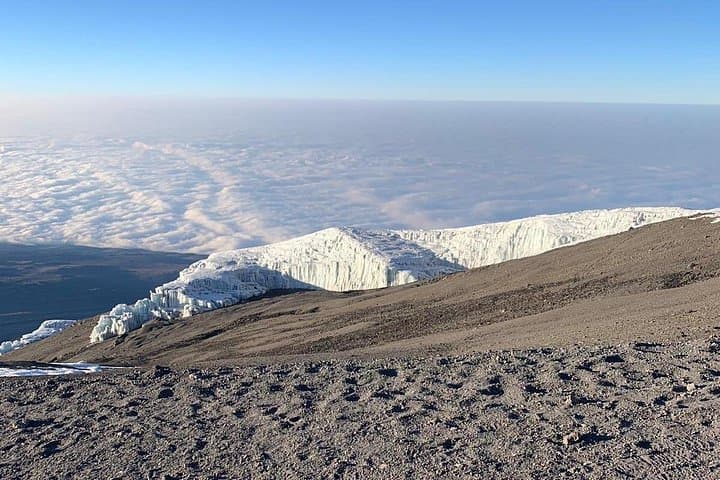
Fog lifts off the rainforest and the trail opens into stacked bands of vegetation — giant lobelias, ericaceous heath, then rocky alpine desert above 4,000 m. On the Machame route you move from damp canopies at Machame Gate (≈1,800 m) toward the icy rims of Kibo, glaciers catching the first light while the trail narrows and the air thins.
Verified experiences and guided adventures in the surrounding area.
Operated by Moana Tanzania · Moshi, Kilimanjaro
Fog lifts off the rainforest and the trail opens into stacked bands of vegetation — giant lobelias, ericaceous heath, then rocky alpine desert above 4,000 m. On the Machame route you move from damp canopies at Machame Gate (≈1,800 m) toward the icy rims of Kibo, glaciers catching the first light while the trail narrows and the air thins.
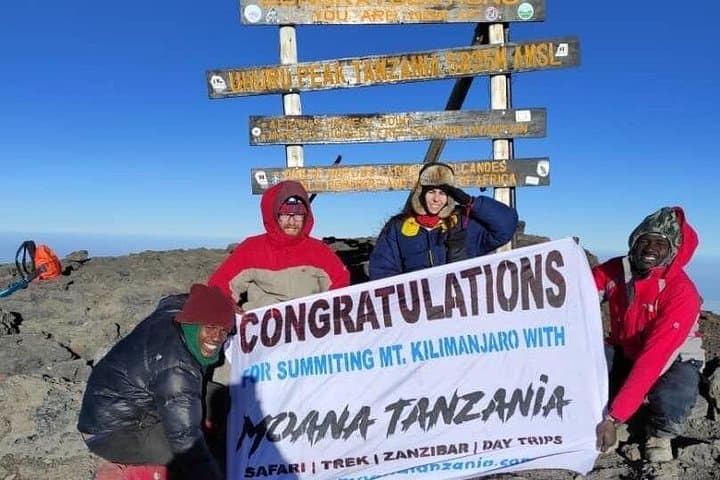
Kilimanjaro is a dormant volcanic massif built from three cones: Kibo, Mawenzi and Shira. The Machame route favors acclimatization by ascending and contouring across rainforest, moorland and semi-desert before tackling Barafu and the final push to Uhuru Peak (5,895 m). Culturally, the mountain sits on Chagga lands; Moshi’s markets and coffee farms frame the approach, and porter-and-guide teams from local villages are integral to summit success.
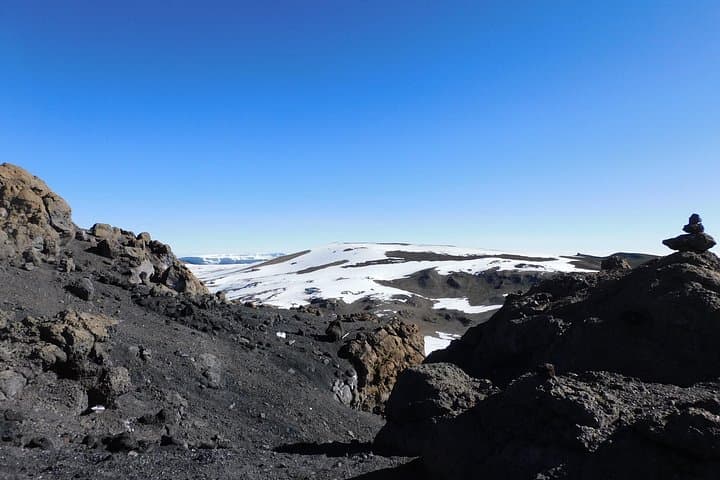
Expect varied terrain: muddy, root-laced rainforest trails, rocky ridgelines past Lava Tower, steep scree on the summit night and icy sections near Stella Point. Daily gains range from ~1,200 m on summit night (Barafu to Uhuru) to shorter 4–5 hour transfers between camps. Total itinerary is seven days, which balances acclimatization and summit odds.
Practical guidance: prioritize hydration, eat and sleep to aid acclimatization, and carry layered clothing for 30°C daytime swings to sub-zero summit winds. Footwear with good tread and ankle support, a warm insulated jacket and a reliable headlamp are musts. Respect guide instructions on pacing and oxygen use; tipping porters and guides is standard. If you want a higher summit success rate, plan travel in the drier months (January–March, June–October) and allow a full seven-day schedule.
Machame is moderately strenuous because it gains altitude quickly but offers good acclimatization with varied terrain; most operators run it as a 6–7 day trek to improve summit odds.
No technical climbing is required on standard Machame itineraries—trekking experience and high-altitude preparedness are the main needs; crampons aren’t normally used on this route.
Success depends on acclimatization, fitness and weather; choosing a seven-day itinerary, pacing well, and following guide advice (hydration, rest) raises your chances significantly.
Climbing requires park permits and a registered guide/crew; vaccinations should follow general Tanzania travel guidance (e.g., yellow fever if from an affected country) and consult a travel clinic for personalized advice.
Moana Tanzania operates guided outdoor trips and adventures with an emphasis on safety, stewardship, and memorable experiences.
Fog lifts off the rainforest and the trail opens into stacked bands of vegetation — giant lobelias, ericaceous heath, then rocky alpine desert above 4,000 m. On the Machame route you move from damp canopies at Machame Gate (≈1,800 m) toward the icy rims of Kibo, glaciers catching the first light while the trail narrows and the air thins.
Fog lifts off the rainforest and the trail opens into stacked bands of vegetation — giant lobelias, ericaceous heath, then rocky alpine desert above 4,000 m. On the Machame route you move from damp canopies at Machame Gate (≈1,800 m) toward the icy rims of Kibo, glaciers catching the first light while the trail narrows and the air thins.
Kilimanjaro is a dormant volcanic massif built from three cones: Kibo, Mawenzi and Shira. The Machame route favors acclimatization by ascending and contouring across rainforest, moorland and semi-desert before tackling Barafu and the final push to Uhuru Peak (5,895 m). Culturally, the mountain sits on Chagga lands; Moshi’s markets and coffee farms frame the approach, and porter-and-guide teams from local villages are integral to summit success.
Expect varied terrain: muddy, root-laced rainforest trails, rocky ridgelines past Lava Tower, steep scree on the summit night and icy sections near Stella Point. Daily gains range from ~1,200 m on summit night (Barafu to Uhuru) to shorter 4–5 hour transfers between camps. Total itinerary is seven days, which balances acclimatization and summit odds.
Practical guidance: prioritize hydration, eat and sleep to aid acclimatization, and carry layered clothing for 30°C daytime swings to sub-zero summit winds. Footwear with good tread and ankle support, a warm insulated jacket and a reliable headlamp are musts. Respect guide instructions on pacing and oxygen use; tipping porters and guides is standard. If you want a higher summit success rate, plan travel in the drier months (January–March, June–October) and allow a full seven-day schedule.