THE ADVENTURE COLLECTIVE® · Independent discovery and booking for outdoor travel

Experience the Chagga way of life on an 8‑hour community-led day tour from Moshi: a welcome dance, a bean‑to‑cup coffee demo, a 2.5–3 hour forest hike to caves and a waterfall, and a hands‑on farm‑to‑table lunch. This accessible cultural hike mixes outdoor time with local crafts and cuisine.
Experience the Chagga way of life on an 8‑hour community-led day tour from Moshi: a welcome dance, a bean‑to‑cup coffee demo, a 2.5–3 hour forest hike to caves and a waterfall, and a hands‑on farm‑to‑table lunch. This accessible cultural hike mixes outdoor time with local crafts and cuisine.
You step off the minivan into a stretch of green terraces and the low, steady hum of village life—voices, roasting coffee, and a drumbeat that calls visitors toward a ceremonial circle.
Verified experiences and guided adventures in the surrounding area.
Operated by Machame Nkweshoo Cultural Tourism · Moshi, Kilimanjaro Region
You step off the minivan into a stretch of green terraces and the low, steady hum of village life—voices, roasting coffee, and a drumbeat that calls visitors toward a ceremonial circle.
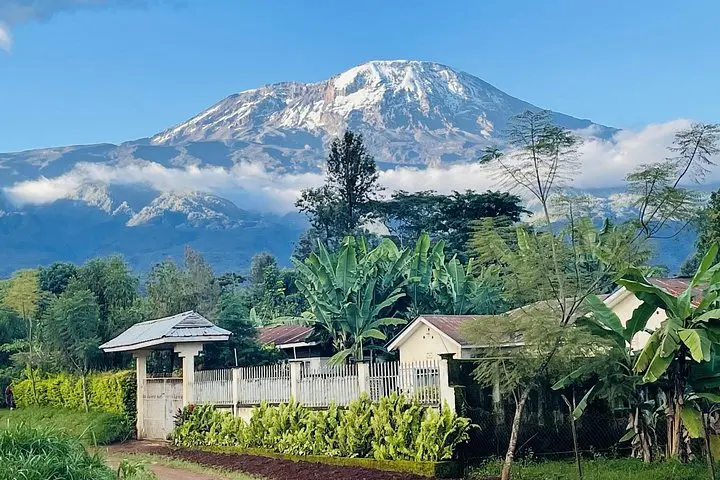
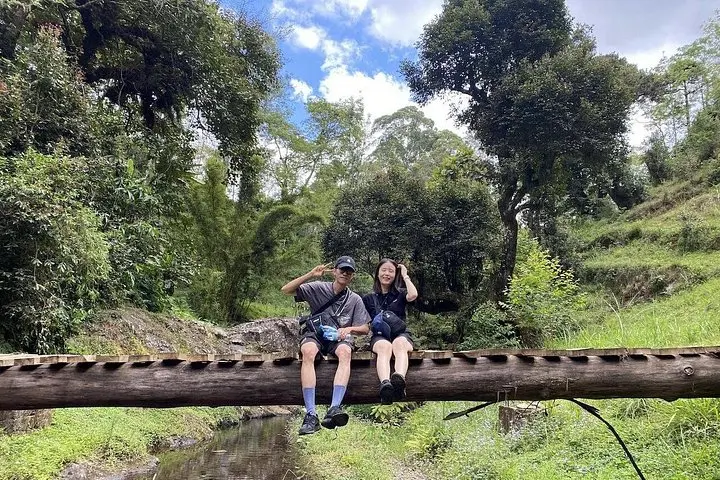
The Machame Village Cultural Tour starts with a Chagga welcome dance, then leads into 2.5–3 hours of walking through banana groves, coffee plots and mossy forest trails. Geologically, these paths sit on volcanic soils shed from Mount Kilimanjaro’s slopes; glaciers high on Kibo feed springs that still tumble into local waterfalls. Culturally, the Chagga people have farmed these slopes for centuries, developing terracing and coffee-processing techniques that shaped both landscape and community life.
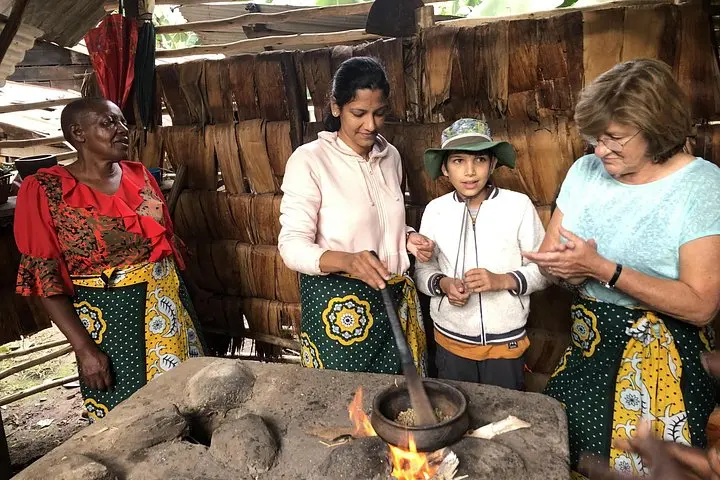
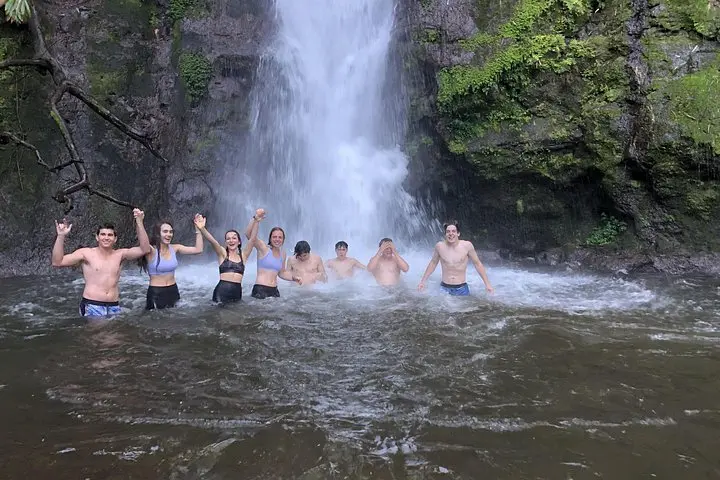
Highlights include a guided bean-to-cup coffee demo, hand-roasted on an open flame, a visit to Ntondolo cave and a swim in a cool waterfall pool. A hands-on cooking session with village mamas culminates in a farm-to-table lunch—pilau, banana dishes, fresh greens and fruit—paired with stories about land stewardship and women-led microenterprises.
Practical guidance: expect gentle climbs over uneven earth—roughly 4–6 km total—and altitudes around 1,200–1,500 m, so bring closed-toe shoes, sun protection and a light rain layer. Hydrate before and during the day; the pace is friendly to most fitness levels but includes steps and slick rocks near water. Carry small local cash for crafts, follow the guide’s cultural etiquette tips (ask before photographing people) and plan for an 8-hour day including transfers.
This day tour combines short hiking, living culture and conscious community support—an accessible way to experience Kilimanjaro’s lower slopes with direct benefit to local families.
The guided forest hike is gentle (2.5–3 hours) over 4–6 km with modest elevation changes; it’s suitable for most fitness levels but involves uneven terrain.
Yes—lunch, mineral water and snacks are included; vegetarian and vegan options are available on request.
Families with older children are welcome; younger children should be comfortable walking on uneven trails and supervised near water.
Tipping is customary for good service; small purchases directly support artisans—carry local cash for crafts and souvenirs.
Machame Nkweshoo Cultural Tourism operates guided outdoor trips and adventures with an emphasis on safety, stewardship, and memorable experiences.
You step off the minivan into a stretch of green terraces and the low, steady hum of village life—voices, roasting coffee, and a drumbeat that calls visitors toward a ceremonial circle.
You step off the minivan into a stretch of green terraces and the low, steady hum of village life—voices, roasting coffee, and a drumbeat that calls visitors toward a ceremonial circle.
The Machame Village Cultural Tour starts with a Chagga welcome dance, then leads into 2.5–3 hours of walking through banana groves, coffee plots and mossy forest trails. Geologically, these paths sit on volcanic soils shed from Mount Kilimanjaro’s slopes; glaciers high on Kibo feed springs that still tumble into local waterfalls. Culturally, the Chagga people have farmed these slopes for centuries, developing terracing and coffee-processing techniques that shaped both landscape and community life.
Highlights include a guided bean-to-cup coffee demo, hand-roasted on an open flame, a visit to Ntondolo cave and a swim in a cool waterfall pool. A hands-on cooking session with village mamas culminates in a farm-to-table lunch—pilau, banana dishes, fresh greens and fruit—paired with stories about land stewardship and women-led microenterprises.
Practical guidance: expect gentle climbs over uneven earth—roughly 4–6 km total—and altitudes around 1,200–1,500 m, so bring closed-toe shoes, sun protection and a light rain layer. Hydrate before and during the day; the pace is friendly to most fitness levels but includes steps and slick rocks near water. Carry small local cash for crafts, follow the guide’s cultural etiquette tips (ask before photographing people) and plan for an 8-hour day including transfers.
This day tour combines short hiking, living culture and conscious community support—an accessible way to experience Kilimanjaro’s lower slopes with direct benefit to local families.