THE ADVENTURE COLLECTIVE® · Independent discovery and booking for outdoor travel

A compact seven-day circuit from Lima to Cusco, Machu Picchu and Lake Titicaca that pairs Inca stonework with high‑altitude lake culture. Expect altitude shifts, scenic train rides and guided archaeological walks.
A compact seven-day circuit from Lima to Cusco, Machu Picchu and Lake Titicaca that pairs Inca stonework with high‑altitude lake culture. Expect altitude shifts, scenic train rides and guided archaeological walks.
You arrive in Lima's humid light, then overnight flights and Andean sun compress a week into a sequence of high passes, stone plazas and a lake that seems to hold the sky. By day three the air thins—Cusco sits at about 3,400 m—breathing becomes deliberate, the landscape sharpening into terraces, dry puna grass and sculpted stonework that still refuses mortar.
Verified experiences and guided adventures in the surrounding area.
Operated by Sun Gate Tours - Day Tours · Aguas Calientes, Cusco
You arrive in Lima's humid light, then overnight flights and Andean sun compress a week into a sequence of high passes, stone plazas and a lake that seems to hold the sky. By day three the air thins—Cusco sits at about 3,400 m—breathing becomes deliberate, the landscape sharpening into terraces, dry puna grass and sculpted stonework that still refuses mortar.
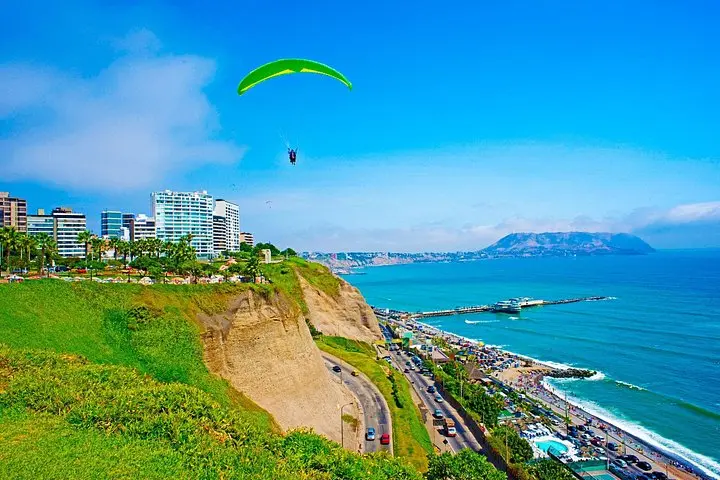
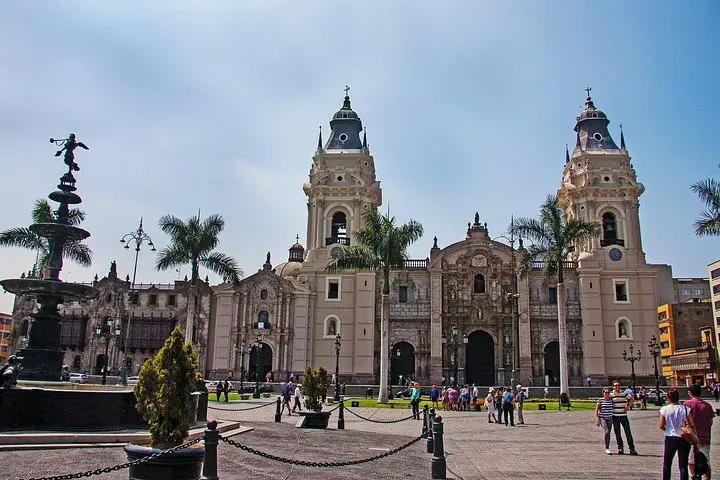
This itinerary threads three cultural layers: colonial Lima’s baroque squares, Cusco’s Inca foundations beneath Spanish cathedrals, and the living communities of the Altiplano around Lake Titicaca at ~3,810 m (about 12,500 ft). Geology here is raw—folded Andes, glacially carved river valleys and the low, misted cloud forest that curtains the approach to Machu Picchu at 2,430 m. The Sacred Valley’s granitic andesite blocks explain why Inca masons fit stones with such precision; the same stonework follows you from Sacsayhuamán down to Ollantaytambo.
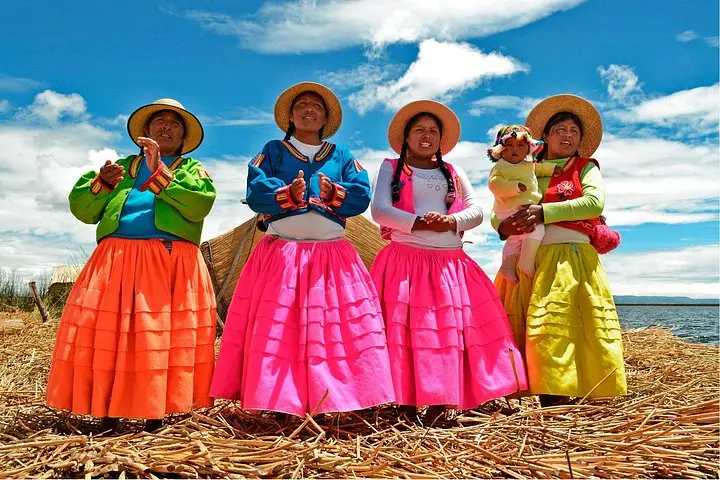
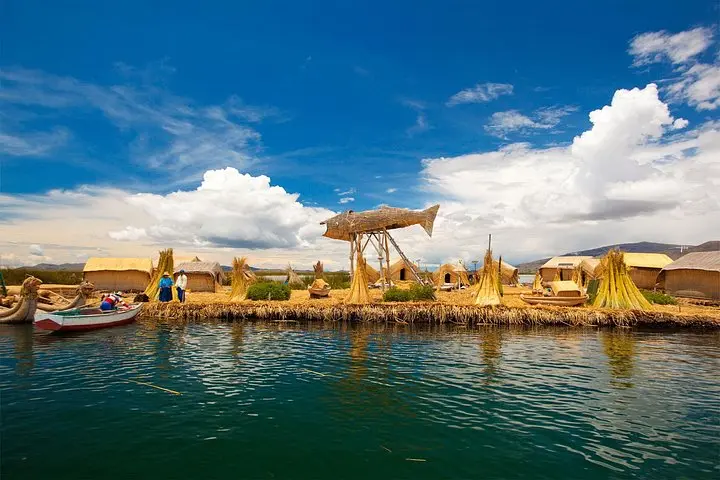
Culturally the trip balances guided archaeological walks with market stops—Pisac’s handicrafts and Taquile’s Quechua textile traditions are living chapters of the same story. Lake Titicaca’s totora islands demonstrate human adaptation to high-altitude wetlands.
Practical guidance: allow two days to acclimatize in Cusco, carry water and layered clothing for temperature swings of 15–20°C (59–68°F) between day and night, and budget for modest uphill walking (uneven stone steps at Machu Picchu). Train segments use standard expedition-class service; luggage limits apply. Expect early starts for best light, and book Machu Picchu permits and trains well in advance to secure preferred time slots.
Yes—Cusco (3,400 m) and Puno/Titicaca (≈3,810 m) are high; plan a rest day, hydrate, avoid alcohol on arrival, and consider acetazolamide after consulting a doctor.
This tour attempts to secure tickets and trains but availability can change; book early and expect limited flexibility if trains or permits are sold out.
Guided walking tours include 2–4 hours of moderate walking per site with uneven surfaces and stone steps; bring good footwear and take breaks.
Local guides provided are English-speaking; Quechua and Aymara are common among communities, while Spanish is widely used in towns.
Sun Gate Tours - Day Tours operates guided outdoor trips and adventures with an emphasis on safety, stewardship, and memorable experiences.
You arrive in Lima's humid light, then overnight flights and Andean sun compress a week into a sequence of high passes, stone plazas and a lake that seems to hold the sky. By day three the air thins—Cusco sits at about 3,400 m—breathing becomes deliberate, the landscape sharpening into terraces, dry puna grass and sculpted stonework that still refuses mortar.
You arrive in Lima's humid light, then overnight flights and Andean sun compress a week into a sequence of high passes, stone plazas and a lake that seems to hold the sky. By day three the air thins—Cusco sits at about 3,400 m—breathing becomes deliberate, the landscape sharpening into terraces, dry puna grass and sculpted stonework that still refuses mortar.
This itinerary threads three cultural layers: colonial Lima’s baroque squares, Cusco’s Inca foundations beneath Spanish cathedrals, and the living communities of the Altiplano around Lake Titicaca at ~3,810 m (about 12,500 ft). Geology here is raw—folded Andes, glacially carved river valleys and the low, misted cloud forest that curtains the approach to Machu Picchu at 2,430 m. The Sacred Valley’s granitic andesite blocks explain why Inca masons fit stones with such precision; the same stonework follows you from Sacsayhuamán down to Ollantaytambo.
Culturally the trip balances guided archaeological walks with market stops—Pisac’s handicrafts and Taquile’s Quechua textile traditions are living chapters of the same story. Lake Titicaca’s totora islands demonstrate human adaptation to high-altitude wetlands.
Practical guidance: allow two days to acclimatize in Cusco, carry water and layered clothing for temperature swings of 15–20°C (59–68°F) between day and night, and budget for modest uphill walking (uneven stone steps at Machu Picchu). Train segments use standard expedition-class service; luggage limits apply. Expect early starts for best light, and book Machu Picchu permits and trains well in advance to secure preferred time slots.